




What's Happening?
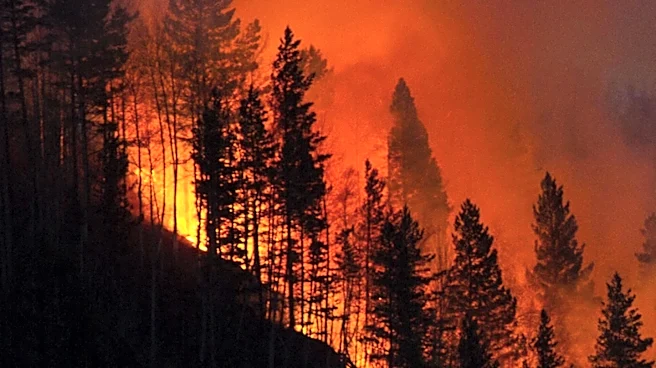
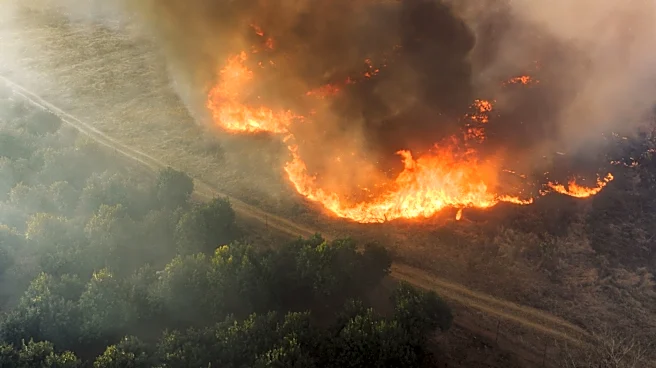
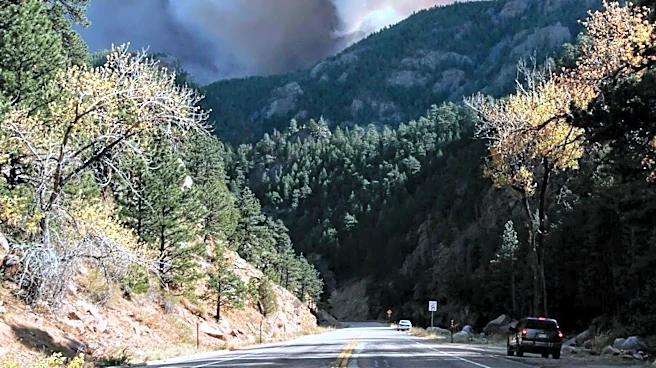
Wildfires in western Ontario, Canada, and northern Minnesota are sending thick plumes of smoke across the Great Lakes and into the Northeast U.S., leading to hazardous air quality conditions. The smoke is expected to create hazy skies and potentially
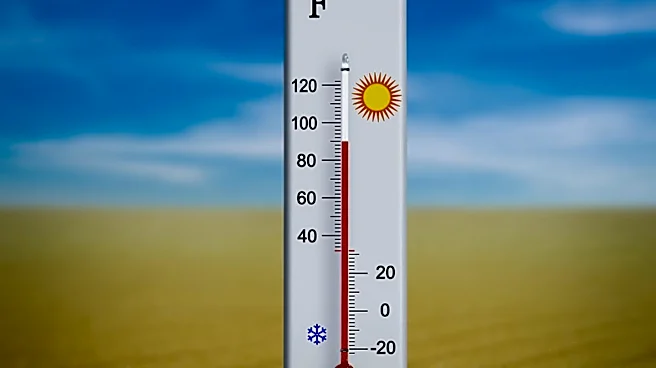
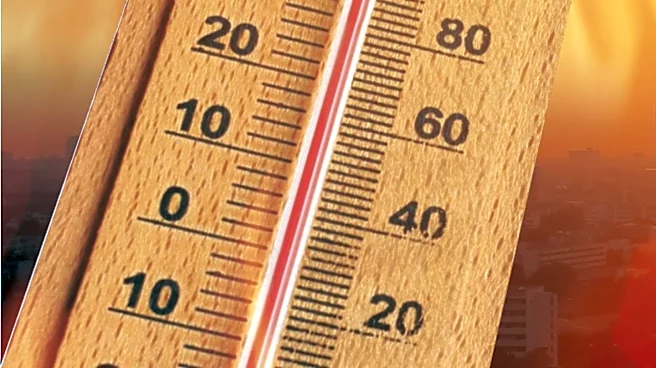
orange-tinted atmospheres reminiscent of previous severe smoke events. Air quality alerts have been issued in parts of Minnesota, and the smoke is projected to reach major cities along the I-95 corridor, including Boston, New York City, and Philadelphia. The situation is compounded by a heat dome causing near-record temperatures in the region.
Why It's Important?
The influx of wildfire smoke poses significant health risks, particularly for vulnerable populations such as those with respiratory conditions. The combination of poor air quality and high temperatures can exacerbate health issues and strain public health resources. This event highlights the interconnectedness of environmental issues across borders and the need for coordinated responses to address air quality and climate-related challenges. The recurring nature of such events underscores the broader impacts of climate change and the increasing frequency of extreme weather conditions.
What's Next?
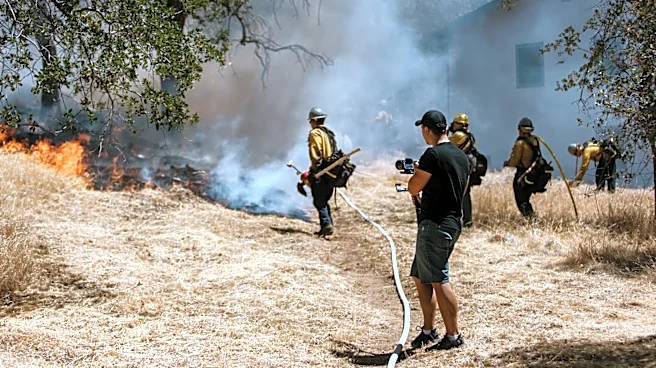
Residents in affected areas are advised to limit outdoor activities and take precautions to protect their health. Authorities will continue to monitor air quality and provide updates as the situation evolves. The ongoing wildfires in Canada and the U.S. may require additional firefighting resources and international cooperation to manage. Long-term, there may be increased focus on addressing the root causes of wildfires and improving air quality management strategies. Public awareness and preparedness will be crucial in mitigating the impacts of future smoke events.