


What's Happening?
The National Oceanic and Atmospheric Administration (NOAA) has issued an advisory for a potentially 'super' El Niño, with an 81% chance of reaching a 'very strong' level. This event could rival the historic El Niños of 1982-1983 and 1997-1998, known for their
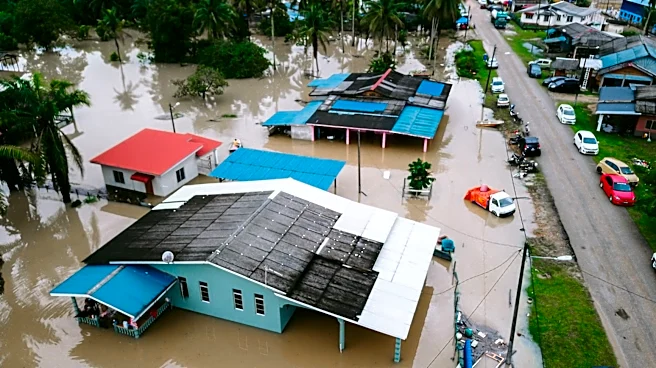
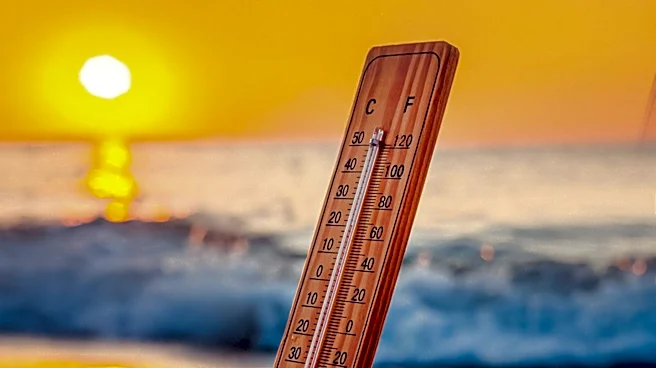
severe global impacts. Expected to peak in winter 2026-2027, this El Niño could bring extreme weather, including heatwaves and heavy rainfall, affecting global climate patterns. Scientists are closely monitoring its development and potential consequences.
Why It's Important?
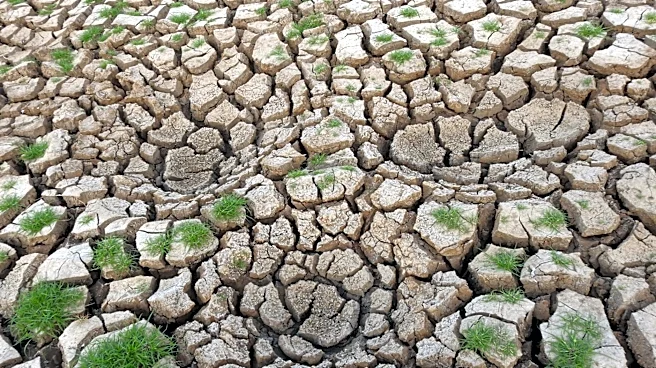
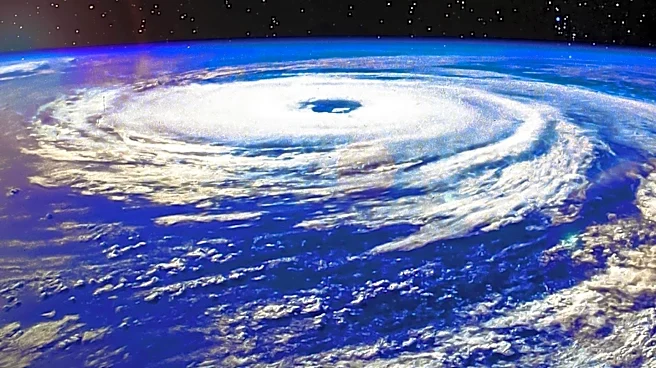
A super El Niño could have widespread implications for global climate, agriculture, and economies. It may lead to extreme weather events, disrupting food production and supply chains, and exacerbating existing climate-related challenges. The potential for increased natural disasters highlights the need for preparedness and adaptation strategies. This event serves as a reminder of the interconnectedness of global climate systems and the importance of international cooperation in addressing climate change impacts.
What's Next?
As the El Niño event progresses, scientists and policymakers will focus on monitoring its development and preparing for potential impacts. Efforts to enhance early warning systems and disaster response capabilities will be crucial. The international community may need to coordinate efforts to support affected regions and mitigate the effects on vulnerable populations. Ongoing research and climate modeling will provide insights into the event's progression and inform strategies for resilience and adaptation.