







What's Happening?
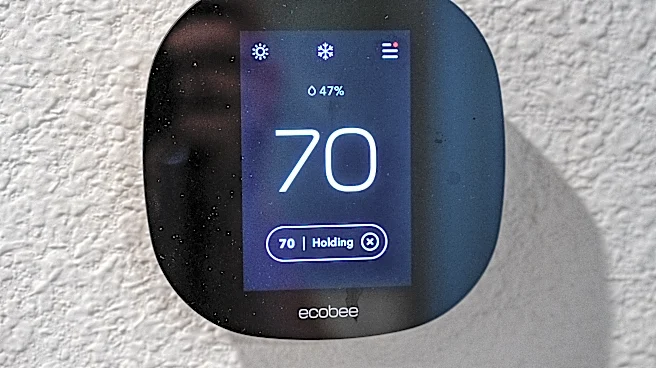
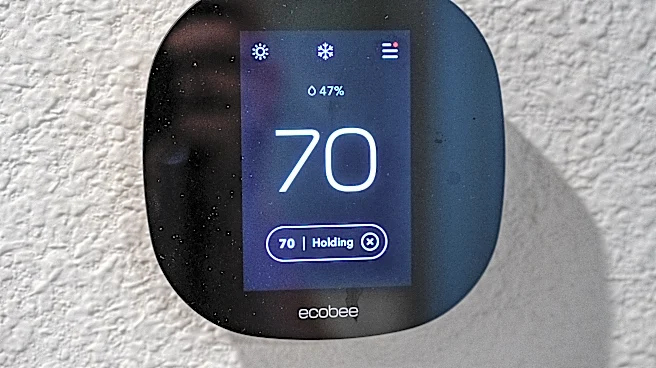
Smart home technology, including smart thermostats, LED bulbs, and smart plugs, can reduce energy consumption and lower utility bills, according to TrustDALE. Smart thermostats, for instance, can save approximately 8% on heating and cooling costs, translating
to about $50 annually, as reported by the U.S. Environmental Protection Agency (EPA). LED bulbs inherently save energy, and smart features like scheduling and dimming can further enhance these savings. Smart plugs and energy monitors help identify and manage power waste from electronics left running. However, the effectiveness of these devices in generating savings depends on addressing actual waste and careful implementation. The article emphasizes that while convenience is a benefit, true savings come from cutting unnecessary energy use. It also highlights the importance of checking device compatibility, understanding installation costs, and being aware of potential subscription fees that could negate savings.
Why It's Important?
The adoption of smart home technology has significant implications for U.S. consumers and the energy sector. For consumers, it offers a tangible way to reduce household expenses, particularly in heating and cooling, which are major components of utility bills. This can lead to increased disposable income and improved financial well-being. For the energy industry, widespread adoption of these technologies could lead to a reduction in overall energy demand, potentially easing strain on power grids and contributing to broader energy efficiency goals. However, the article also points out critical challenges, such as interoperability issues between devices from different manufacturers and privacy concerns related to data collection. These factors can influence consumer trust and adoption rates, impacting the market for smart home devices and the potential for widespread energy savings. The need for professional installation for certain devices, like thermostats requiring HVAC system configuration, also creates opportunities for skilled trades.
What's Next?
Consumers considering smart home technology are advised to prioritize solving specific energy waste problems rather than purchasing gadgets indiscriminately. Before investing, individuals should assess their current energy usage, check device compatibility with existing home systems, and calculate the potential payback period, factoring in device cost, installation, and any recurring fees. The article suggests starting with small, targeted purchases and measuring the results to determine effectiveness. Furthermore, users must carefully review privacy settings and understand what data smart devices collect, especially when linked to security systems or smart locks. The development of standards like Matter aims to improve interoperability, which could simplify integration and encourage broader adoption. Professional installation may be necessary for complex setups, such as new wiring or HVAC system configurations, underscoring the ongoing need for qualified technicians in this evolving market.
Beyond the Headlines
Beyond the immediate financial savings, the proliferation of smart home technology raises broader ethical and societal questions. The extensive data collection by smart devices, including information about occupancy patterns and energy usage, presents significant privacy challenges. This data could potentially be used for targeted advertising, or in more concerning scenarios, could be vulnerable to breaches or misuse. The reliance on internet connectivity for many smart features also highlights issues of digital equity and resilience; homes in areas with unreliable internet access may not fully benefit from these technologies. Moreover, the environmental impact of manufacturing and disposing of these electronic devices, despite their energy-saving potential during use, is an emerging concern. As smart homes become more integrated into daily life, balancing convenience and efficiency with privacy, security, and environmental sustainability will be crucial for policymakers, manufacturers, and consumers alike.