





What's Happening?
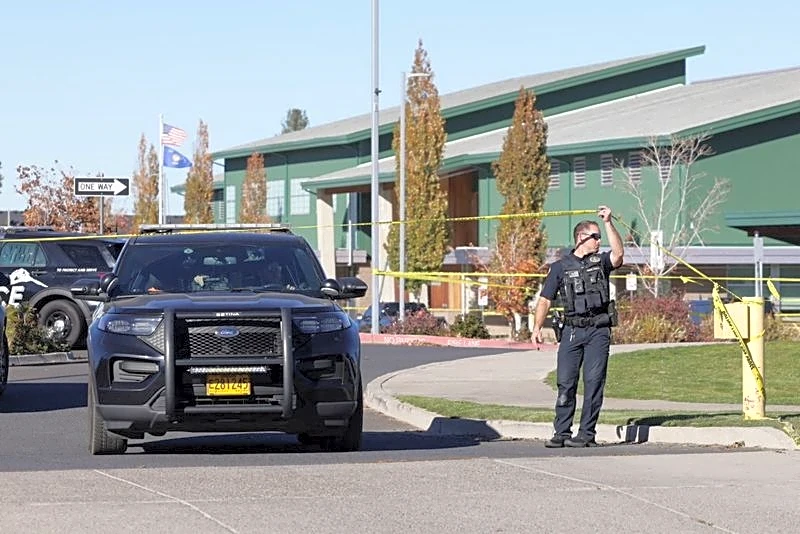
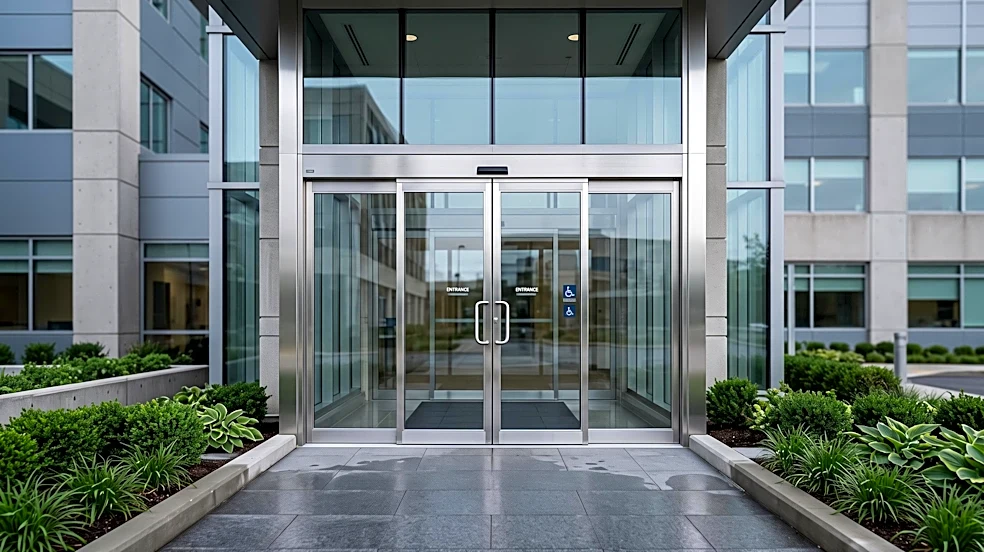
St. Luke's University Hospital in Fountain Hill experienced a lockdown late Friday afternoon due to an incident initially described as a 'hostage situation/barricaded suspect.' A large police presence, including Lehigh County's emergency response team
and hostage negotiators, responded to the scene. The incident was prompted by a behavioral health patient who was holding a remote control, which was initially mistaken for a weapon. St. Luke's spokesperson Sam Kennedy confirmed that there was no gun or weapon involved, and no one was in danger. The situation was resolved around 5:30 p.m., with the individual taken into custody. No injuries were reported during the incident.
Why It's Important?
This incident highlights the critical challenges faced by healthcare facilities in managing behavioral health crises and ensuring safety. The initial misidentification of a remote control as a weapon underscores the high-stress environment and the need for rapid, yet accurate, assessment in such situations. For U.S. hospitals, this event emphasizes the importance of robust security protocols, effective communication between hospital staff and law enforcement, and specialized training for handling patients with behavioral health issues. The deployment of SWAT and hostage negotiators for a non-violent situation, while necessary given the initial information, also points to the significant resources that can be mobilized in perceived threats, impacting hospital operations and patient care. This event serves as a case study for improving de-escalation techniques and threat assessment in healthcare settings.
What's Next?
Following this incident, St. Luke's Hospital and local law enforcement will likely conduct a review of their response protocols to identify areas for improvement. This could include enhanced training for staff on recognizing and de-escalating behavioral health crises, as well as refining communication procedures during emergencies. There may also be discussions about the use of technology for threat assessment and the importance of clear, real-time information sharing. Other hospitals and healthcare systems across the U.S. might examine this event to re-evaluate their own security measures and emergency preparedness plans, particularly concerning behavioral health patients. The focus will be on balancing patient care with security needs and ensuring that similar situations are handled efficiently and safely, minimizing disruption and potential harm.
Beyond the Headlines
This incident delves into the broader societal issue of mental health and its intersection with public safety. The initial perception of a 'hostage situation' when a behavioral health patient was holding a remote control highlights the stigma and fear often associated with mental illness, particularly in crisis scenarios. It underscores the need for greater understanding and specialized approaches to mental health emergencies, moving beyond a purely law enforcement-centric response. The event also raises questions about the adequacy of resources and training for healthcare workers in managing agitated or distressed patients, and the potential for misinterpretation of their actions. Long-term implications could include a push for more integrated mental health services within hospitals, improved crisis intervention training for all first responders, and public education campaigns to reduce stigma and promote compassionate responses to individuals experiencing mental health crises.