



What's Happening?
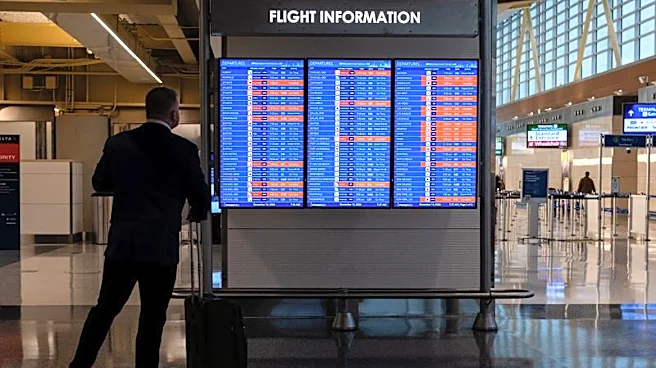
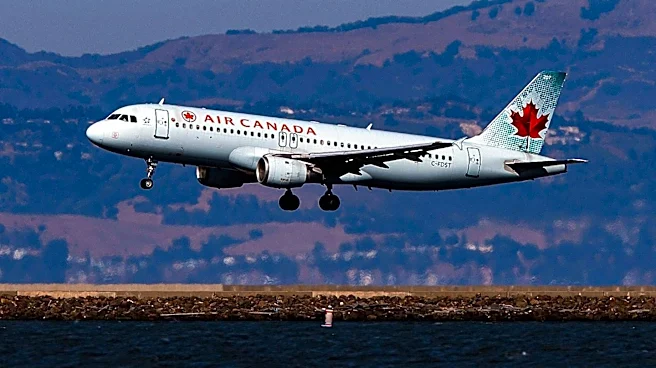
A U.S. nationwide flight ground stop on November 13 led to significant disruptions for Air Canada passengers, including a family from Newfoundland and Labrador who were stranded in Mexico. The ground stop, caused by communications issues affecting U.S. air
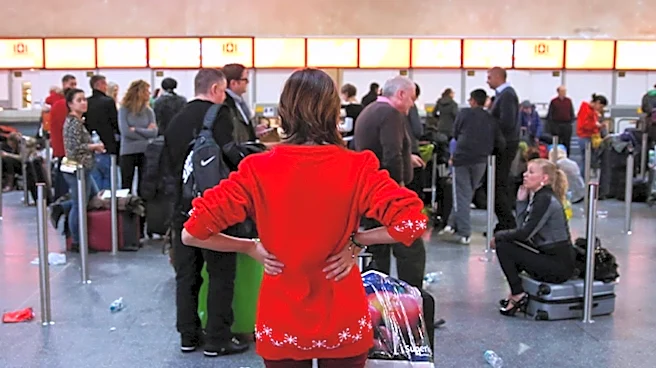
traffic control centers, prompted Canadian airlines to cancel flights overflying the U.S. out of caution. Laura Mason and her family experienced 'utter chaos' after their Air Canada flight from Mexico was canceled. They reported being stuck on the plane for two hours, then deplaned without rebooking notifications, and were turned away by Air Canada staff. They spent a night sleeping on the airport floor and, despite thousands of people queuing, found they were not automatically rebooked, unlike some other passengers. After six hours on the phone, they were rebooked for a flight three days later, incurring additional hotel costs.
Why It's Important?
This incident highlights the cascading effects of U.S. air traffic control issues on international travel and the challenges passengers face during widespread flight disruptions. The experience of the Mason family underscores potential shortcomings in airline communication and rebooking protocols during crises. While Canadian airlines are obligated to rebook passengers within 48 hours for uncontrollable cancellations, they are not required to cover hotel or meal costs, leaving passengers to bear significant financial burdens. This situation raises questions about passenger rights and airline responsibilities, particularly when disruptions originate from external factors. The incident could prompt calls for improved international coordination in air traffic management and more robust passenger support mechanisms from airlines.
What's Next?
Air Canada has stated that its operations are returning to normal, but accommodating all affected passengers will take time. The airline is working to rebook travelers as quickly as possible. The U.S. Federal Aviation Administration will likely review the communications issues that led to the ground stop to prevent future occurrences. For passengers like the Mason family, the next steps involve completing their delayed travel and potentially seeking compensation for out-of-pocket expenses, although Canadian regulations do not mandate airline coverage for such costs in cases of uncontrollable cancellations. This event may also lead to increased scrutiny of airline customer service and rebooking efficiency during large-scale disruptions.
Beyond the Headlines
The 'utter chaos' described by the stranded family points to a deeper issue within the travel industry: the vulnerability of global air travel to single points of failure, such as a U.S. ground stop. Beyond the immediate inconvenience and financial strain, such incidents erode passenger trust in airlines and the broader air travel system. The disparity in rebooking experiences among passengers on the same canceled flight also raises concerns about fairness and transparency in airline procedures. This event could fuel public demand for stronger passenger protection laws, potentially influencing policy discussions on airline accountability for disruptions, regardless of their cause. It also highlights the psychological toll of being stranded, feeling 'unsafe' and 'ignored,' which goes beyond monetary losses.