





What's Happening?
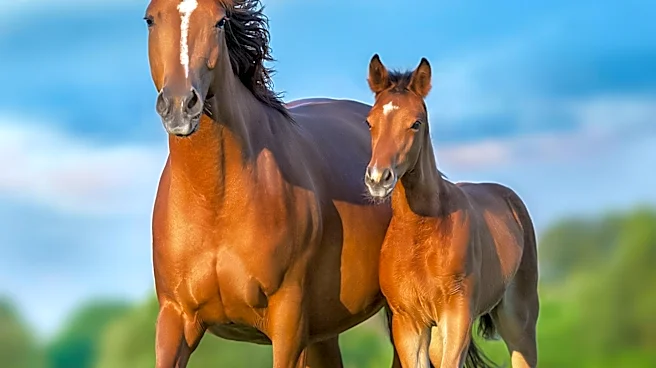
Michigan state officials have announced the euthanasia of an 18-month-old unvaccinated quarter horse filly in Roscommon County due to Eastern Equine Encephalitis (EEE), a mosquito-borne virus. This marks the second horse fatality from EEE in Michigan this
year, following a 1-year-old quarter horse colt in Clare County that was also euthanized after testing positive for the virus and being under-vaccinated. Additionally, a human case of EEE was reported in Roscommon County earlier in August, the first since 2021. Michigan State Veterinarian Dr. Nora Wineland emphasized the preventability of EEE and other mosquito-borne diseases through animal vaccinations and mosquito control measures. The Michigan Department of Health and Human Services monitors several arboviruses, including West Nile Virus, which has affected seven residents this year.
Why It's Important?
The recurrence of EEE cases in Michigan, affecting both horses and humans, underscores a significant public health and agricultural concern. EEE is a severe and often fatal disease, particularly in horses, with a high mortality rate. The human case highlights the direct threat to residents, as EEE can cause serious neurological complications. The state veterinarian's call for vaccinations and mosquito control is crucial for protecting animal populations and reducing the risk of human exposure. The presence of EEE and West Nile Virus in the state's mosquito population indicates an ongoing need for vigilance and proactive measures. This situation impacts livestock owners, public health agencies, and residents, emphasizing the importance of community-wide efforts in disease prevention and vector management.
What's Next?
Michigan health officials are urging residents to take immediate steps to reduce the risk of mosquito-borne viruses. Recommendations include using insect repellents containing DEET or picaridin, wearing long-sleeved clothing, and eliminating mosquito breeding sites around homes by emptying standing water from various containers. Animal owners are strongly advised to ensure their livestock, especially horses, are fully vaccinated against EEE. As colder weather approaches, mosquito populations are expected to decline, typically tapering off in October when overnight temperatures consistently drop below freezing. However, officials stress that preventive measures should continue through the fall until mosquito activity ceases. The Michigan Arbovirus Surveillance Report will continue to be updated weekly to track the situation.
Beyond the Headlines
The ongoing battle against mosquito-borne diseases like EEE and West Nile Virus in Michigan reflects a broader national challenge in managing zoonotic diseases. The interconnectedness of animal and human health, often referred to as 'One Health,' is evident in these cases, where infections in horses serve as sentinels for potential human risk. The emphasis on vaccination for animals and personal protective measures for humans highlights the multi-faceted approach required for effective disease control. Furthermore, the discussion about mosquito season duration and the impact of climate on vector populations points to long-term environmental considerations. Public education and community engagement are vital components, ensuring that residents understand the risks and adopt practices that reduce mosquito habitats and personal exposure, thereby contributing to collective public health resilience.