




What's Happening?
Lowell, Massachusetts, is actively addressing its housing crisis through various redevelopment efforts, including the conversion of existing buildings into residential units and plans for new rental apartments. The city is focusing on areas like the Jackson,
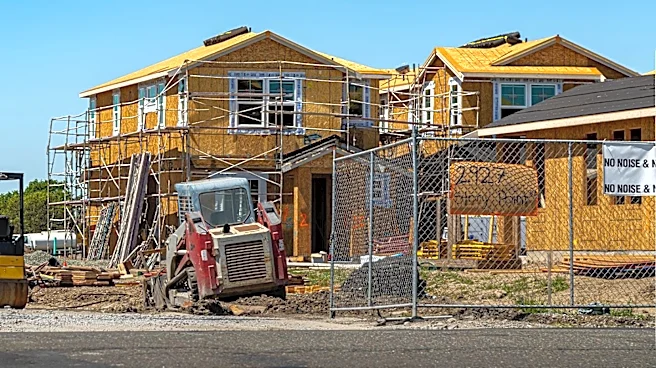
Appleton, and Middlesex (JAM) streets, which have been targeted for renewal for two decades. Recent developments include Draper Labs' plan for a commercial building, alongside proposals for 362 market-rate rental apartments and an additional 125 units, some of which will be restricted for low-income residents. David Steinbergh, principal at RCG, has already converted an aging office building, the Hildreth Building, into 50 market-rate rental units, with 60% leased by September. UMass Lowell is also contributing to the housing solution through its Lowell Innovation Network Corridor initiative, aiming to redevelop a stretch between the university and downtown by adding nearly 500 new housing units.
Why It's Important?
The housing initiatives in Lowell are critical for Massachusetts, which faces an estimated need for 222,000 new homes between 2025 and 2035. Gateway Cities like Lowell are vital in meeting this demand due to their existing infrastructure and receptiveness to large-scale housing projects. By converting underutilized commercial spaces and developing new units, Lowell is not only increasing its housing stock but also revitalizing its downtown areas. This approach helps attract young professionals and retain college graduates, fostering economic growth and a vibrant urban environment. The mix of market-rate and low-income housing addresses diverse needs, contributing to a more equitable and sustainable community. The success of these projects can serve as a model for other Gateway Cities grappling with similar housing challenges.
What's Next?
Lowell's housing development efforts are expected to continue with ongoing conversions of office buildings into residential units and the construction of new apartment complexes. The city will likely continue to seek diverse financing sources, including tax increment financing, federal and state historic rehabilitation tax credits, and state Housing Development Incentive Program (HDIP) grants. The focus on market-rate housing, supported by HDIP, aims to rejuvenate the downtown business climate by attracting a professional workforce. Future plans include further development in the JAM area and the Lowell Innovation Network Corridor, which will integrate new housing with commercial and industrial growth. The city's ability to navigate the complexities of historic preservation and high construction costs will be crucial for the sustained success of these initiatives.
Beyond the Headlines
The transformation of Lowell's urban landscape through housing redevelopment highlights a broader shift in how post-industrial cities are reimagining their futures. By repurposing historic mill buildings and vacant office spaces, Lowell is preserving its architectural heritage while adapting to modern housing needs. This approach not only addresses the housing shortage but also fosters a unique urban identity that blends historical charm with contemporary living. The emphasis on attracting young professionals and college graduates through market-rate housing, alongside provisions for low-income residents, reflects a strategic effort to create a diverse and dynamic population. This holistic urban planning, integrating housing, commerce, and education, positions Lowell as a model for sustainable urban revitalization in the U.S.