




What's Happening?
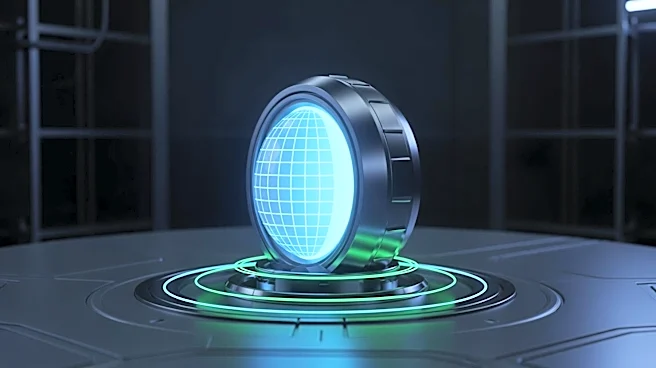
The U.S. Department of Energy has announced that a small nuclear reactor developed by Antares Nuclear Inc. at the Idaho National Lab has reached 'criticality,' a significant milestone indicating a self-sustaining chain reaction. This development is part of a pilot
program initiated by the Trump administration to boost nuclear energy production in the U.S. The reactor's achievement marks the first time a private company has reached this stage under the program, which aims to advance nuclear technologies by reducing regulatory barriers. The reactor is expected to produce electricity by late 2027, with deployment anticipated by the end of 2028.
Why It's Important?
This milestone is crucial for the U.S. energy sector as it represents a step towards diversifying energy sources and reducing reliance on fossil fuels. The development of microreactors could provide a reliable and low-carbon energy source, potentially lowering energy costs and enhancing energy security. However, there are concerns about the safety and feasibility of microreactors, as well as their ability to meet energy demands cost-effectively. The success of this project could influence future energy policies and investments in nuclear technology.
What's Next?
The next steps involve further testing and development to ensure the reactor's safety and commercial viability. The Energy Department aims to achieve criticality in at least three test reactors by July 4, 2026. The project's progress will be closely monitored by stakeholders, including the U.S. Army and other contractors. The outcome could impact regulatory approaches and the future landscape of nuclear energy in the U.S.