






What's Happening?
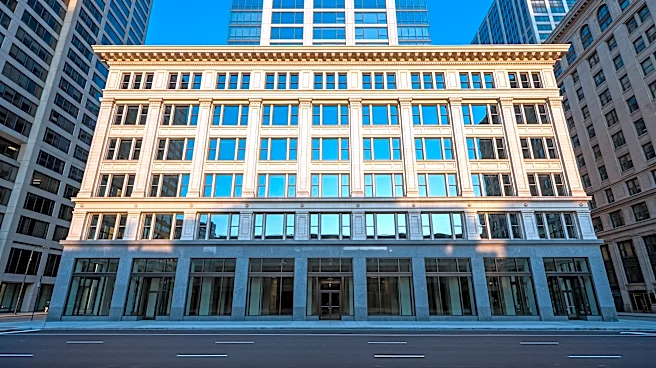
Mayor Brandon Johnson, alongside R2 Development and city officials, celebrated the grand opening of The Bellwether Residences in Chicago's Loop. This project marks the first completed office-to-residential conversion in the area, transforming 11 floors
of vacant office space at the historic Rector building into 117 mixed-income residential units and ground-floor retail. The $64.2 million adaptive reuse initiative is a key component of the Johnson administration's strategy to revitalize downtown Chicago, aiming to create a 24-hour live, work, and play environment. Of the 117 units, 41 are designated as affordable housing for households earning an average of 60% of the area median income. City funding for the project included $28 million in Tax Increment Financing and a landmark designation in 2025, which facilitated $7.8 million in federal historic tax credits. The Bellwether is part of the broader LaSalle Street Reimagined initiative, which seeks to convert underutilized office spaces into mixed-income residences and other community amenities.
Why It's Important?
The completion of The Bellwether Residences is a significant milestone for urban revitalization efforts in U.S. cities facing high office vacancy rates. It demonstrates a viable model for repurposing commercial real estate, addressing both the challenge of empty office buildings and the pressing need for affordable housing. This project's success could encourage similar adaptive reuse initiatives in other major U.S. cities, potentially transforming urban cores that have been impacted by changing work patterns. By converting vacant offices into residential units, cities can foster more vibrant, mixed-use neighborhoods, increase foot traffic for local businesses, and expand housing options. The inclusion of affordable units also addresses critical social equity concerns, making downtown living accessible to a broader range of income levels and preventing displacement. This approach offers a sustainable alternative to new construction, preserving existing architectural heritage while meeting contemporary urban needs.
What's Next?
Following the success of The Bellwether, Chicago's Department of Planning Development (DPD) is advancing five other projects through the LaSalle Street Reimagined initiative. These projects are valued at over $900 million and aim to repurpose more than two million square feet of space into 1,765 homes. Additionally, nearly two dozen private conversion efforts are underway across downtown Chicago, totaling $1.8 billion in investment and creating 3,900 units by repurposing approximately 4 million square feet of underutilized commercial space. The city anticipates that these ongoing efforts will continue to transform the Loop into a more dynamic and residential area. The focus will likely remain on securing funding, streamlining regulatory processes, and encouraging private sector participation to accelerate the conversion of vacant office spaces into diverse residential and commercial uses, further solidifying Chicago's position as a leader in urban adaptive reuse.
Beyond the Headlines
The trend of office-to-residential conversions, exemplified by The Bellwether Residences, highlights a fundamental shift in urban planning and real estate development. Beyond addressing immediate vacancy and housing needs, these projects contribute to the long-term resilience and sustainability of urban centers. By diversifying the use of downtown buildings, cities can mitigate the economic vulnerabilities associated with over-reliance on a single sector, such as traditional office work. This adaptive reuse also promotes environmental sustainability by reducing the demand for new construction and minimizing demolition waste. Culturally, it fosters a richer urban experience by bringing more residents into previously business-centric districts, potentially leading to a more diverse array of services, cultural institutions, and community spaces. The preservation of historic buildings, like the Rector building, also maintains the unique character and heritage of the city, blending historical architecture with modern living.