








What's Happening?
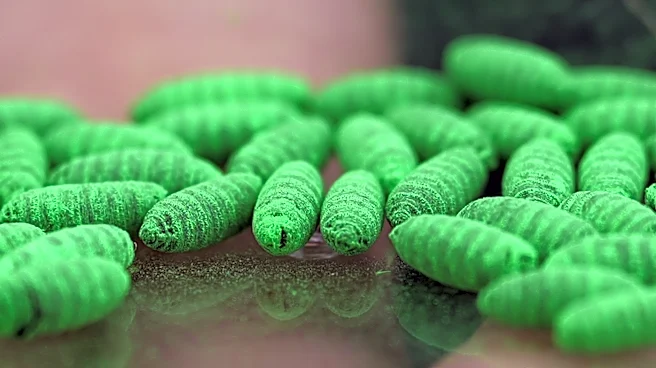
The New World screwworm, a parasite that was once eradicated in the United States, has reemerged, posing a significant threat to the beef industry. The resurgence is linked to illegal cattle trafficking by organized crime groups in Central America. The screwworm, which
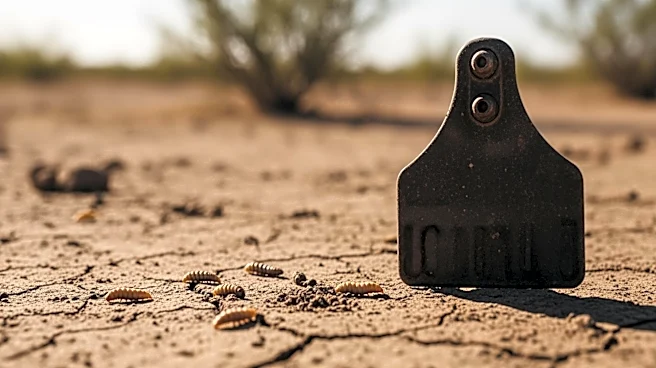
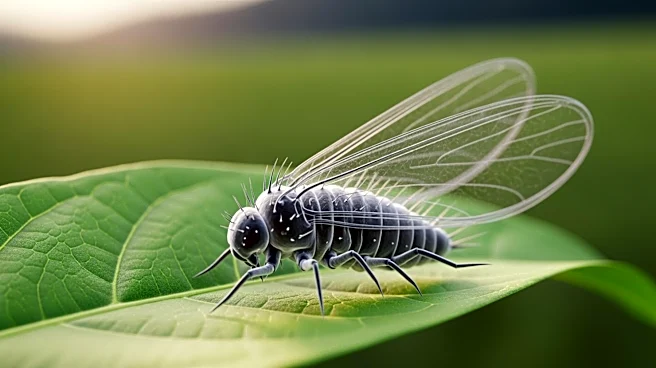
incubates in the wounds of warm-blooded animals, has been detected in Texas and New Mexico. This development follows a history of eradication efforts that began in the 1960s, involving the release of sterilized flies to control the parasite. The current outbreak is attributed to cattle smuggling routes that have facilitated the spread of the screwworm from Central America to the US. The US Department of Agriculture (USDA) and Mexican authorities are working on control measures, including the release of sterilized flies, but face challenges due to the parasite's rapid spread.
Why It's Important?
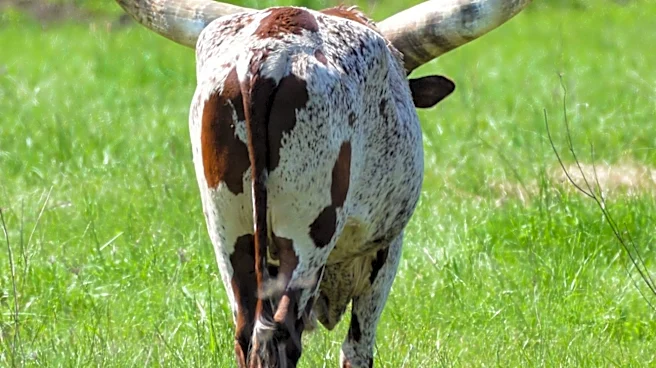
The reemergence of the screwworm in the US could have devastating economic impacts on the beef industry, potentially causing billions in damages. The parasite's presence threatens livestock health and could lead to significant financial losses for ranchers. The situation underscores the broader issue of illegal cattle trafficking, which not only facilitates the spread of diseases but also contributes to environmental degradation and organized crime. The USDA's efforts to control the outbreak are critical to preventing further economic and ecological damage. The situation also highlights the need for international cooperation to address the root causes of illegal cattle trafficking and its associated risks.
What's Next?
Efforts to control the screwworm outbreak will likely involve increased collaboration between the US, Mexico, and Central American countries to address illegal cattle trafficking. The USDA may need to explore additional control measures, such as the use of pesticides, despite environmental concerns. The situation may also prompt policy discussions on border security and livestock import regulations to prevent future outbreaks. Stakeholders, including ranchers and government agencies, will need to work together to develop long-term strategies for managing the screwworm threat and mitigating its impact on the beef industry.