



What's Happening?
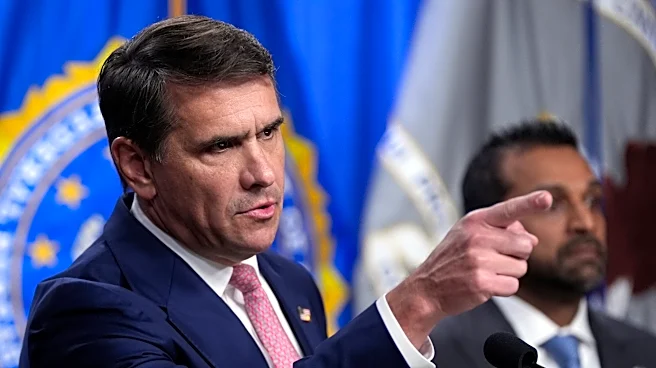
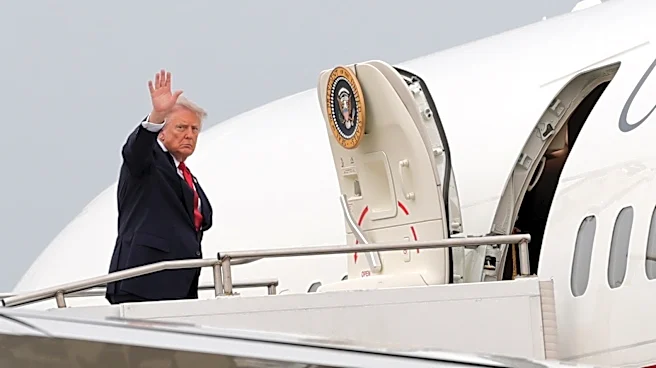
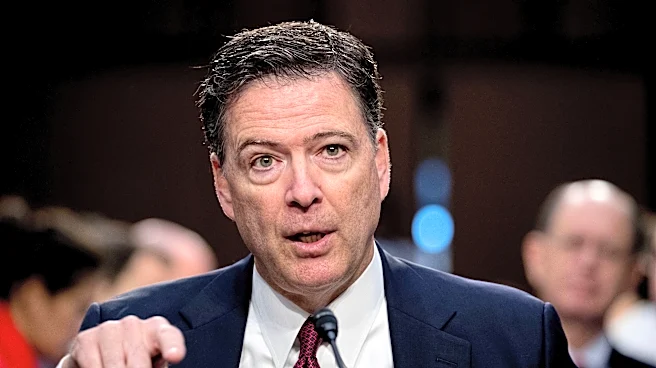
Newly released documents reveal that the Secret Service faced pressure from the Trump administration to surveil former FBI Director James Comey. The directive followed a social media post by Comey that was interpreted as a threat to President Trump. Secret Service agents
expressed concerns about the legality of tracking Comey's phone without a warrant, as it required a reasonable belief of an imminent threat. Despite these concerns, a top Justice Department official insisted on the surveillance. The documents were filed as part of Comey's legal efforts to dismiss charges related to threatening Trump.
Why It's Important?
This revelation highlights the tension between law enforcement agencies and political directives, raising questions about the misuse of surveillance powers. The incident underscores the challenges of balancing national security concerns with legal and ethical standards. It also reflects the broader political dynamics and controversies surrounding President Trump's administration and its interactions with former officials. The case could have implications for future policies on surveillance and the legal boundaries of executive power.