





What's Happening?
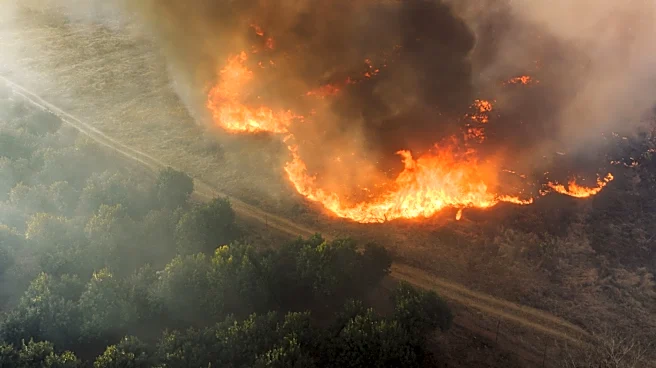
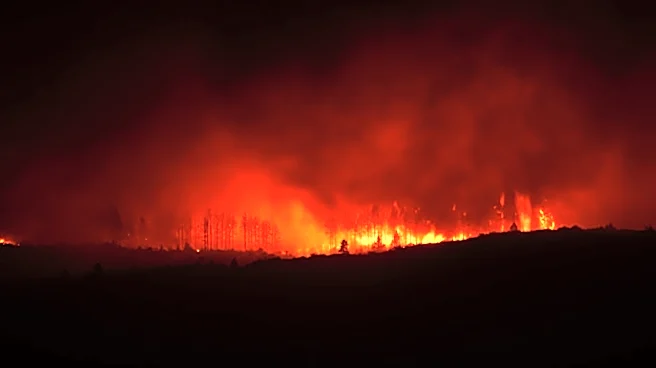
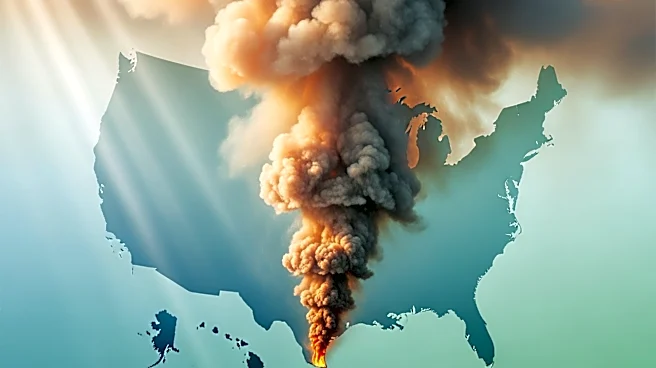
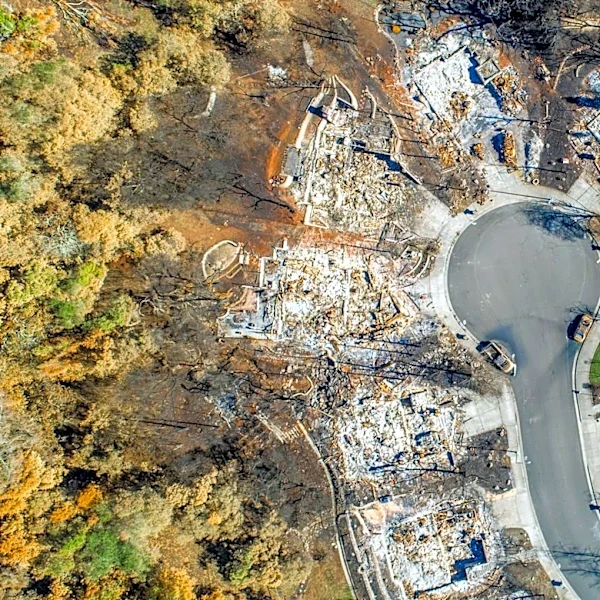
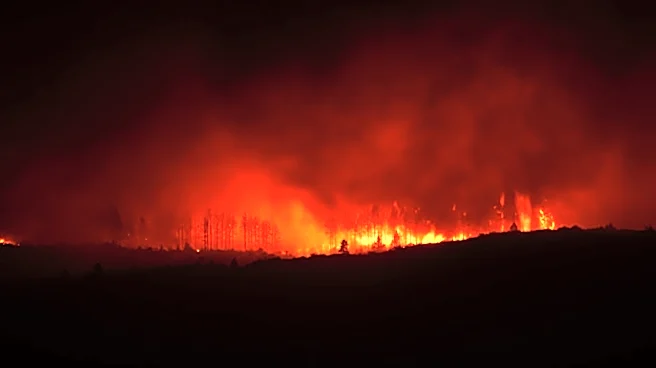
A NASA-funded study has identified that wildfires have significantly contributed to increased ground-level ozone pollution across the contiguous United States over the past decade. This research, published in the journal Science, highlights that wildfires have negated
nearly four years of progress in controlling ozone levels, with the most pronounced effects in the West and Midwest. Wildfire smoke, which contains gases like carbon monoxide, interacts with other pollutants under sunlight to form surface ozone, a harmful pollutant. This study utilized deep learning to analyze data from 2003 to 2024, revealing that wildfires have reversed ozone reduction trends since 2015. The research underscores the role of NASA's Earth observations in tracking air quality and aiding decision-making for air quality managers.
Why It's Important?
The findings of this study are crucial as they highlight the growing challenge of managing air quality in the face of increasing wildfire activity. Ground-level ozone is a significant health hazard, exacerbating respiratory conditions and posing risks to vulnerable populations such as children and the elderly. The study estimates that wildfire-driven ozone has led to an increase in premature deaths, with an additional 318 deaths per year attributed to long-term exposure. This underscores the need for enhanced monitoring and policy measures to mitigate the health impacts of wildfire pollution. The research also demonstrates the importance of satellite data in providing comprehensive air quality assessments, especially in areas lacking ground-based monitoring.
What's Next?
The study suggests that continued advancements in satellite technology, such as NASA's TEMPO mission, will enhance the ability to monitor air quality and predict pollution patterns. These tools can help air quality officials anticipate and respond to smoke-related pollution events more effectively. The development of decision-support systems like FireAQ, which integrates satellite data and forecasts, aims to provide timely information to communities and policymakers. As wildfires are expected to become more frequent and intense due to climate change, these technological and policy innovations will be critical in managing their impact on air quality and public health.