






What's Happening?
Anchorage Mayor Suzanne LaFrance has committed to providing the maximum possible city funding for the Anchorage School District (ASD) for the upcoming year. This commitment comes as the district, Alaska's largest, faces persistent budget deficits, which
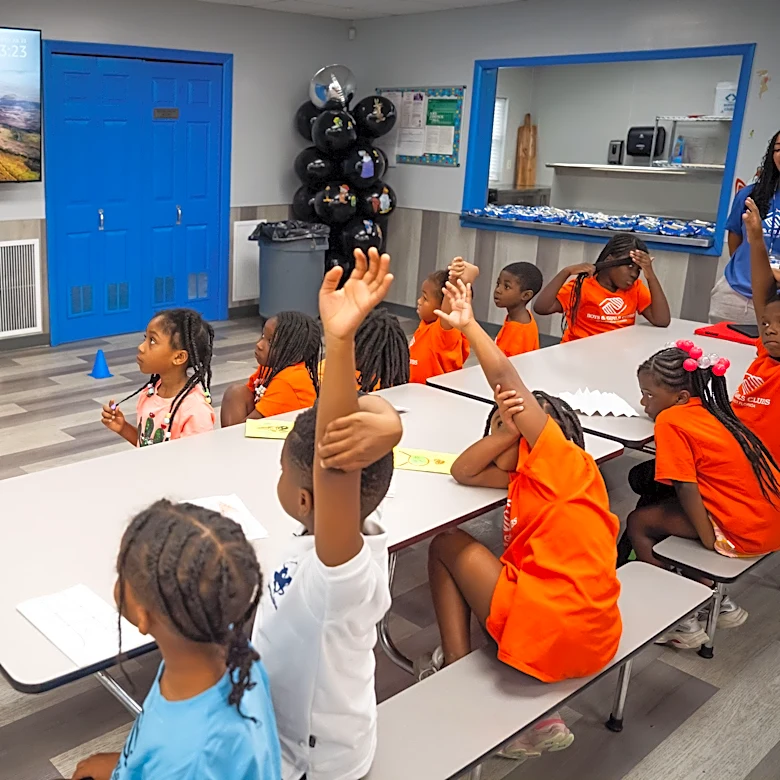
have recently been around $100 million. The ASD serves over 42,000 students and relies on a combination of state, federal, and local funding. In previous years, declining enrollment and stagnant state funding have forced the district to implement measures such as school closures, increased class sizes, and cuts to educational programs to balance its budget. While the mayor has pledged full support, the exact amount of city funding remains uncertain and is subject to various factors, including changes in district enrollment, the state funding formula, and other appropriations. The city's budget could potentially cover the district's projected $9 million shortfall for next year, but this depends on these fluctuating variables. The finance committee chair for the school board, Rachel Blakeslee, highlighted the severe impact of large class sizes, noting that some teachers are using microphones to be heard, and students are resorting to sitting on gym mats due to lack of space.
Why It's Important?
The commitment from Mayor LaFrance is crucial for the Anchorage School District, which has been grappling with significant financial challenges. The district's ability to provide quality education is directly tied to its funding levels, and the current situation has led to concerns about the long-term viability of the school system. Large class sizes and cuts to educational programs could lead to a decline in educational standards, potentially impacting student performance and future opportunities. This financial instability could also trigger an exodus of families from the district, city, and even the state, as highlighted by Rachel Blakeslee. The interplay between state, federal, and local funding mechanisms, along with enrollment changes, creates a complex financial landscape for the district. The city's potential contribution, ranging from approximately $7.8 million to $11.5 million, could be a vital component in addressing the deficit and stabilizing the district's finances, thereby ensuring continued educational services for its student population.
What's Next?
The Anchorage Assembly is scheduled to deliberate and approve the city budget in November, while the Anchorage School Board will not finalize the district's budget until next February, which will then require approval from the Assembly. Revisions to property tax levels and the tax limit are expected in April. The projected $9 million deficit for the upcoming year is subject to change, as noted by Andy Ratliff, chief financial officer for the school district. Factors such as enrollment changes, maintenance needs, and unresolved labor contracts could alter this figure. Additionally, lawmakers could potentially withhold about $20 million in energy relief funding that was approved earlier this year through House Bill 28, further impacting the district's financial outlook. Both the municipality and the district are coordinating their budget processes this year to develop contingency plans, aiming to address the timing challenges of information availability and make the best assumptions with the data at hand.
Beyond the Headlines
The ongoing financial struggles of the Anchorage School District underscore a broader national challenge faced by many public education systems: balancing declining enrollment with flat or insufficient state funding. The reliance on a complex mix of funding sources, each with its own set of variables and political considerations, creates inherent instability. The situation in Anchorage highlights the critical role of local government in mitigating these challenges, especially when state-level support is perceived as inadequate. The potential for an 'exodus' of families due to deteriorating educational conditions points to the long-term societal and economic implications of underfunded schools, including impacts on local economies and community stability. The debate over funding also touches upon the ethical responsibility of ensuring equitable access to quality education, even in the face of demographic shifts and fiscal constraints. The outcome of these budget discussions will not only determine the immediate future of Anchorage's schools but could also serve as a case study for other districts facing similar pressures.