








What's Happening?
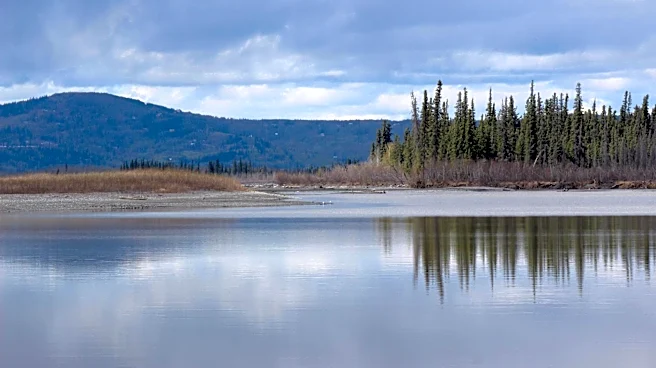
Canagold Resources is proposing to open the New Polaris gold mine on the Tulsequah River in British Columbia, a tributary of the Taku River in Alaska. The Taku River is a critical habitat for all five Pacific salmon species, including the largest Chinook
run in the region. Concerns have been raised about the potential impact of mining activities on the salmon population. Canagold has stated that it will implement measures to protect the environment, such as using flotation instead of cyanide for gold extraction. The company has also committed to not proceeding without the consent of the Taku River Tlingit First Nation. Despite these assurances, there is apprehension about the potential pollution from the mine, especially given the historical pollution from the nearby abandoned Tulsequah Chief Mine.
Why It's Important?
The development of the New Polaris mine is significant due to its potential impact on the Taku River's salmon population, which is vital for the local ecosystem and the Indigenous communities that rely on it. The project highlights the ongoing tension between economic development and environmental conservation. The involvement of the Taku River Tlingit First Nation in monitoring the mine's environmental impact underscores the importance of Indigenous consent and participation in resource management. The situation also reflects broader concerns about transboundary environmental impacts and the need for international cooperation in managing shared natural resources.
What's Next?
The next steps involve continued environmental assessments and consultations with the Taku River Tlingit First Nation. Canagold Resources will need to address the concerns raised by Alaskan stakeholders and demonstrate that their operations will not harm the Taku River ecosystem. The company plans to build infrastructure such as a new airstrip and water treatment facilities, which will require careful planning to minimize environmental disruption. Ongoing monitoring and cooperation between Canadian and Alaskan authorities will be crucial in ensuring that the mine operates sustainably.
Beyond the Headlines
The New Polaris mine proposal raises broader questions about the sustainability of mining practices and the long-term impacts on Indigenous communities and ecosystems. The historical pollution from the Tulsequah Chief Mine serves as a cautionary tale, emphasizing the need for stringent environmental safeguards and accountability. This situation also highlights the importance of integrating traditional ecological knowledge with modern environmental management practices to achieve sustainable development.