




What's Happening?
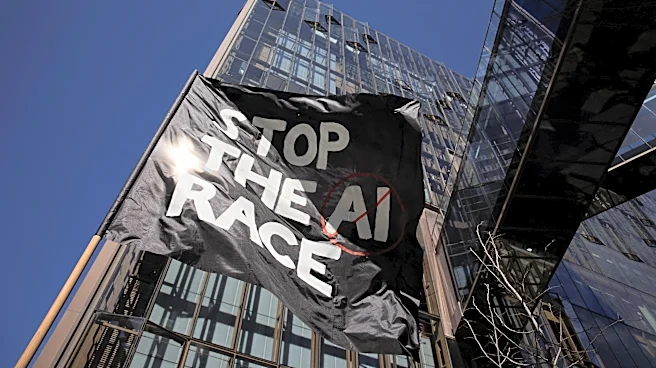
Radio hosts Clay Travis and Buck Sexton recently discussed several key U.S. issues, including the economic benefits of AI data centers and the state of crime rates under the Trump administration. They challenged concerns about AI data centers, arguing
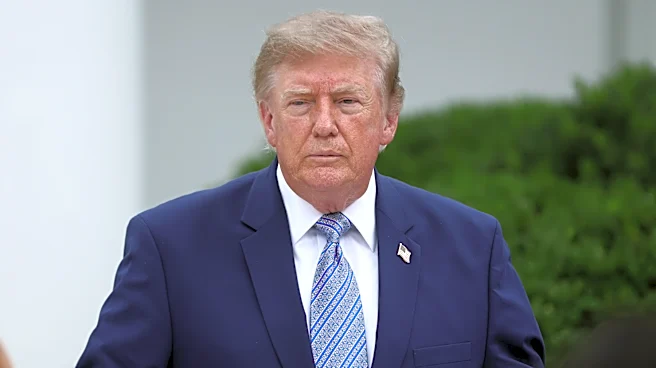
that issues like water use and energy costs can be managed through local planning and technological advancements. The hosts contended that some political figures and activists are overstating the risks of data centers while overlooking their economic advantages, tax revenue, and technological benefits. They emphasized President Trump's strong advocacy for rapid AI development and increased data center construction to maintain U.S. leadership over China. Additionally, in an interview with FBI Director Kash Patel, the discussion focused on crime reduction, with Patel asserting significant declines in violent crime, murder rates, and opioid overdose deaths during the Trump administration, attributing these successes to federal cooperation with local law enforcement.
Why It's Important?
This discussion is important as it highlights a significant debate within U.S. politics regarding technological advancement and public safety. The hosts' defense of AI data centers underscores the economic and strategic importance of artificial intelligence infrastructure, particularly in the context of international competition with countries like China. Their argument that concerns are overstated suggests a push to prioritize technological growth and economic benefits, potentially influencing public perception and policy decisions related to AI development and data center expansion. Furthermore, the claims by FBI Director Kash Patel regarding falling crime rates under the Trump administration, and the hosts' emphasis on a perceived lack of national media attention on these figures, reflect a broader political narrative. This narrative contrasts Republican approaches to policing, which emphasize law enforcement support and federal cooperation, with prior movements advocating for police reform, thereby shaping public discourse on crime and justice.
What's Next?
The ongoing debate surrounding AI data centers is likely to continue, with proponents emphasizing economic benefits and technological leadership, while critics will continue to raise concerns about environmental impact and local resource strain. Future policy decisions regarding AI infrastructure development will likely reflect these competing perspectives, potentially leading to new regulations or incentives for sustainable practices. On the crime front, the discussion about falling crime rates and the effectiveness of federal-local law enforcement cooperation under the Trump administration will remain a key talking point in political discourse. As the 2026 midterm elections approach, these issues will likely be leveraged by political candidates to highlight their stances on economic development, technological innovation, and public safety, influencing voter behavior and shaping future legislative agendas.
Beyond the Headlines
The conversation around AI data centers and crime rates touches upon deeper societal implications. The push for rapid AI development, championed by President Trump, reflects a broader national strategy to maintain technological supremacy, which has profound implications for the U.S. economy, national security, and global competitiveness. The debate over the environmental and social costs of data centers highlights the ethical considerations inherent in technological progress, forcing a balance between innovation and sustainability. Similarly, the discussion on crime rates and policing strategies under the Trump administration reflects a fundamental ideological divide in the U.S. regarding law enforcement and criminal justice reform. This ongoing tension between different approaches to public safety and technological advancement will continue to shape the nation's values, priorities, and the allocation of resources, influencing everything from urban planning to civil liberties.