




What's Happening?
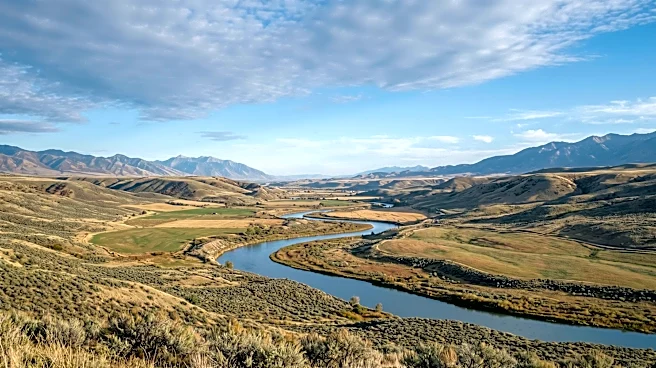
The Bear River Health Department in northern Utah is actively investigating a Salmonella outbreak that has led to 21 confirmed cases across Cache and Box Elder counties. As of the announcement, health officials have not yet identified the specific source
of the outbreak, such as a particular food, restaurant, event, water source, or animal exposure. The investigation is ongoing, with officials working to determine the source and implement measures to prevent further spread. The department has not released details regarding the Salmonella serotype, the exact dates of illness onset, the number of hospitalizations, or the ages of those affected. The 21 confirmed cases represent a significant increase for the region, as the Bear River Local Health District typically reports around 35 Salmonella cases in an entire year.
Why It's Important?
The unidentified source of this Salmonella outbreak poses a significant public health challenge for residents in Cache and Box Elder counties. Without a known source, individuals cannot take specific actions to avoid the contaminated item, shifting the focus to early symptom recognition and testing. This situation creates uncertainty and potential anxiety within the community, as the risk of exposure remains unclear. The substantial number of cases in a compressed period, relative to the district's annual average, indicates a concentrated outbreak that requires urgent attention. The absence of a named source also complicates the efforts of local businesses and the food industry, as they cannot proactively address potential contamination points. This incident underscores the critical need for rapid and thorough epidemiological investigations to protect public health and restore consumer confidence.
What's Next?
The Bear River Health Department will continue its intensive investigation, focusing on patient interviews to gather information about what individuals ate in the week before symptoms began, where they purchased food, and any events they attended. The department will also work to determine if the isolates from the 21 confirmed cases share a genetic fingerprint, which would confirm a common source. If a common exposure emerges, officials are expected to name it and issue specific guidance. If the isolates do not match, the case count may be revised, indicating multiple, unrelated infections. The Utah Department of Health and Human Services and the Centers for Disease Control and Prevention may become involved as the investigation progresses. In the interim, residents are advised to follow general food safety precautions, such as thoroughly cooking poultry and ground meat, separating raw and ready-to-eat foods, and practicing good hand hygiene.
Beyond the Headlines
This outbreak highlights the inherent difficulties in tracing foodborne illnesses, especially when initial data is limited. The reliance on patient recall, which can fade quickly, emphasizes the importance of public awareness regarding symptom reporting and detailed record-keeping of recent food consumption. The situation also brings to light the broader implications for public health infrastructure, including the capacity for rapid laboratory testing and epidemiological analysis. The potential for a significantly larger number of unreported illnesses, as federal estimates suggest that only a fraction of foodborne Salmonella cases are detected, underscores the silent burden of such outbreaks. This event could serve as a catalyst for enhancing local public health surveillance systems and community engagement strategies to improve the speed and effectiveness of future outbreak responses, ultimately strengthening the overall food safety net.