




What's Happening?
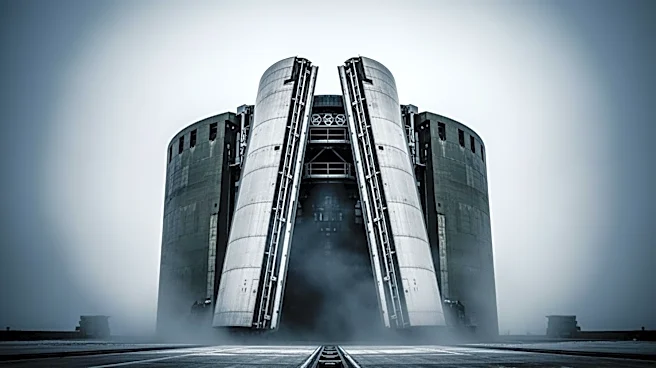
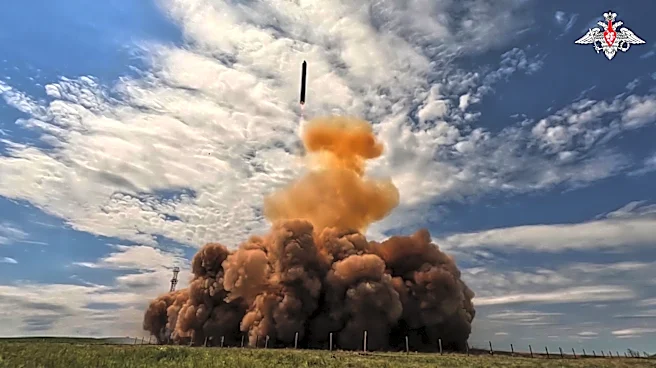
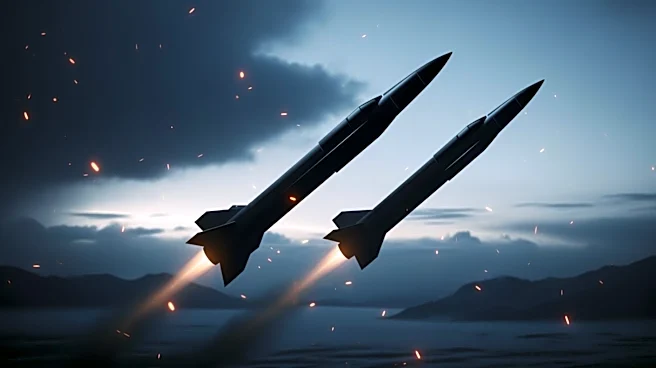
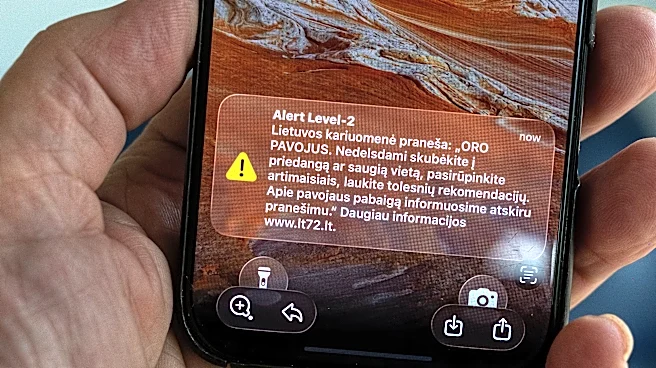
Russia, in collaboration with Belarus, has initiated a series of military exercises involving nuclear-capable missiles. The drills, which include the launch of ballistic, hypersonic, and cruise missiles, are part of a broader effort by Russia to project
military strength. According to the Russian Defense Ministry, approximately 64,000 troops and 7,800 weapons systems participated in the exercises. These included over 200 missile launchers, 140 fighter jets, 73 ships, and 13 submarines. The exercises come at a time when Russia is facing significant challenges, including a recent Ukrainian drone attack on Moscow and growing domestic dissatisfaction due to frequent internet shutdowns. The drills are perceived as a message to the West, signaling that Russia remains a formidable power despite setbacks in Ukraine.
Why It's Important?
The military exercises underscore Russia's strategic use of nuclear rhetoric to influence international perceptions and deter Western support for Ukraine. By demonstrating its military capabilities, Russia aims to dissuade Western countries from supplying advanced weapons to Ukraine, which could alter the balance of power in the ongoing conflict. Domestically, the exercises serve to bolster national pride and distract from internal issues, such as economic hardships and political dissent. The drills also highlight the potential for escalation in the region, raising concerns about the stability of international security frameworks and the risk of nuclear confrontation.
What's Next?
The continuation of these military exercises may lead to increased tensions between Russia and Western nations, potentially prompting further sanctions or diplomatic actions. Western countries may respond by reinforcing their support for Ukraine, including the provision of military aid. Additionally, the exercises could influence NATO's strategic planning and defense posture in Eastern Europe. Domestically, the Russian government may face increased scrutiny from its citizens, who are wary of the economic and social costs of prolonged military engagements.
Beyond the Headlines
The drills reflect a broader geopolitical strategy by Russia to assert its influence in the post-Soviet space and beyond. The use of nuclear-capable missiles in exercises with Belarus signals a deepening military alliance between the two countries, which could have long-term implications for regional security dynamics. Furthermore, the exercises highlight the challenges of nuclear non-proliferation and the need for renewed international dialogue on arms control and disarmament.