






What's Happening?
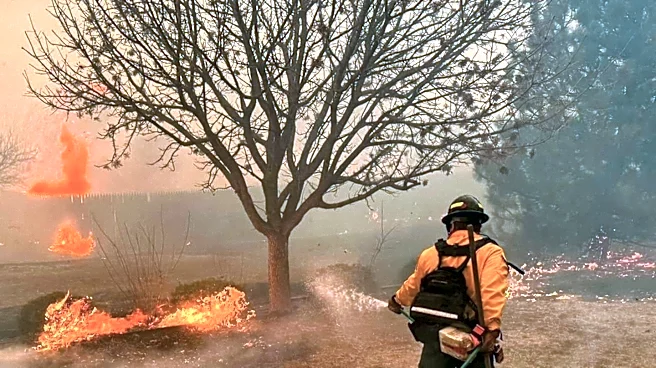
Arizona has enacted new legislation to enhance the health and safety of firefighters by banning the use of PFAS, known as 'forever chemicals,' in firefighting foam. This decision follows concerns about the chemicals' link to cancer and their presence
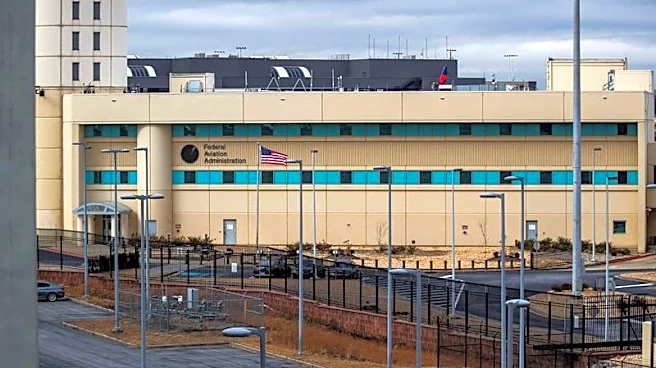
in drinking water. The ban, however, includes an exception for public airports until the end of 2030, aligning with the Federal Aviation Administration Reauthorization Act of 2024. The legislation also addresses issues with health insurance coverage for firefighters, ensuring clarity and preventing insurance companies from exploiting legal ambiguities. This move comes after a firefighter, Matthew O'Reilly, faced challenges with his insurance company over cancer coverage due to a punctuation error in the law. The new law, SB 1215, rectifies this by clearly listing covered conditions, allowing firefighters to focus on recovery rather than legal battles.
Why It's Important?
The legislation is significant as it addresses both environmental and occupational health concerns. By banning PFAS in firefighting foam, Arizona aims to reduce cancer risks for firefighters, who are already exposed to numerous hazards. This move could set a precedent for other states to follow, potentially leading to broader regulatory changes across the U.S. The clarity in health insurance coverage ensures that firefighters can access necessary medical care without bureaucratic hurdles, highlighting the state's commitment to supporting those who risk their lives for public safety. The legislation also reflects a growing awareness of the need to protect workers from preventable health hazards, which could influence future policy decisions at both state and federal levels.
What's Next?
The immediate focus will be on implementing the PFAS ban and ensuring compliance, particularly in sectors like public airports where exceptions exist. Lawmakers and advocacy groups may push for similar bans in other states, potentially leading to national legislation. The insurance coverage clarity could prompt other states to review and amend their laws to prevent similar issues. Stakeholders, including firefighter unions and environmental groups, are likely to monitor the impact of these changes and advocate for further protections. The ongoing dialogue about occupational safety and environmental health may lead to additional legislative efforts to address other hazardous substances and improve worker safety standards.