







What's Happening?
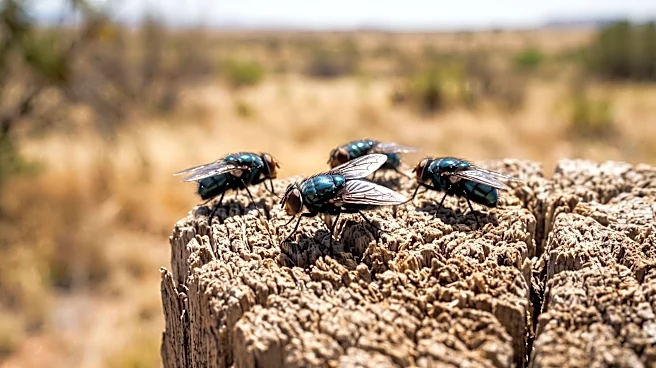
For the first time in over 50 years, the flesh-eating New World screwworm (Cochliomyia hominivorax) is spreading on the U.S. mainland, posing a significant threat to livestock and wildlife. As of November 5, 2026, there have been 116 detections in animals,
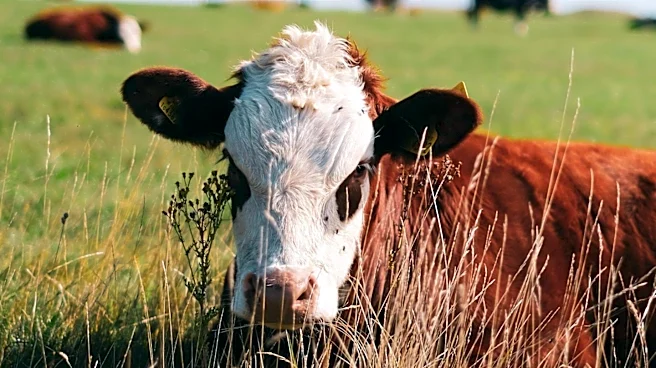
including two elk shot by hunters in Texas, following the first confirmed case in a calf near La Pryor, Texas, in June 2026. The screwworm larvae feed on living tissue, burrowing into wounds and natural openings, leading to infection and death if untreated. All warm-blooded animals are susceptible, including cattle, deer, elk, small game, and waterfowl. The U.S. government has initiated efforts to ramp up the production of sterile flies, a method successfully used to eradicate the parasite from the mainland in 1966.
Why It's Important?
The re-emergence and spread of the New World screwworm represent a serious threat to the U.S. agricultural economy and wildlife populations. In the 1950s, screwworm infestations caused annual losses of up to $100 million for livestock producers in the U.S. Southwest, equivalent to over $1 billion today. The current spread could lead to similar economic devastation for ranchers and farmers. For wildlife, particularly endangered species like the Florida Key deer, the parasite can decimate populations, as seen in a 2016 outbreak where 9% to 20% of the Key deer population was lost. Hunters are identified as a crucial first line of defense due to their extensive presence in the field, enabling early detection and reporting, which is vital for containment efforts given the parasite's rapid life cycle.
What's Next?
The U.S. government is increasing the production of sterile male screwworms to implement a sterile insect technique, which was historically effective in eradicating the parasite. This method relies on releasing large numbers of sterile males to mate with wild females, leading to infertile eggs and a population decline. Hunters are being called upon by wildlife agencies, such as New Mexico’s Department of Agriculture, to be vigilant and report any suspicious larvae or signs of infection in animals. It is critical for hunters not to move harvested animals showing signs of infection from the field and instead contact state wildlife agencies, the U.S. Department of Agriculture, or local veterinarians immediately. Rapid identification and targeted release of sterile flies in affected areas will be key to controlling and potentially eradicating the current spread.
Beyond the Headlines
The return of the New World screwworm highlights the ongoing challenges of managing invasive species and the potential for previously eradicated diseases to re-emerge, often facilitated by animal movement. The reliance on hunters for early detection underscores the significant role that citizen scientists and outdoor enthusiasts can play in national biosecurity efforts. This situation also brings to light the historical success of biological control methods, like the sterile insect technique, and the need for sustained investment in such programs. The vulnerability of both domestic livestock and wild animals to this parasite emphasizes the interconnectedness of ecosystems and the broad impact that a single pest can have on biodiversity and economic stability. The incident serves as a reminder of the constant vigilance required to protect agricultural and natural resources from biological threats.