




What's Happening?
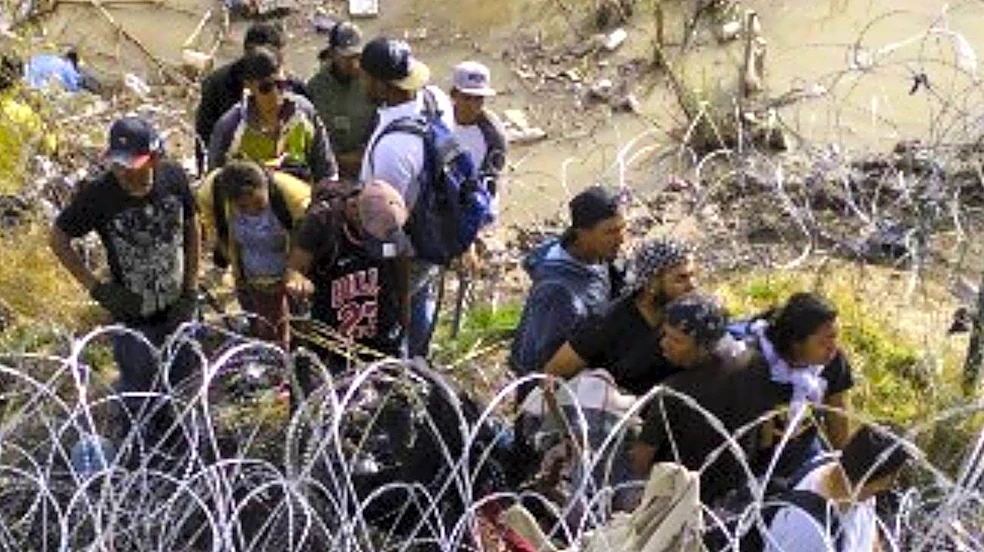
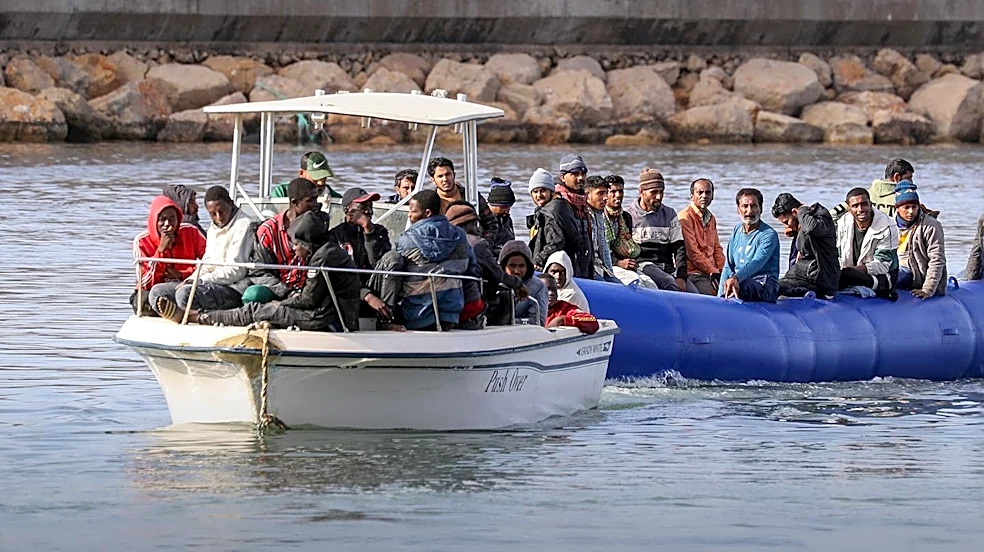
Europe is increasingly facing a new form of coercion through instrumentalized migration, where sudden, concentrated migration flows are used to create political and administrative burdens. While there is insufficient evidence to definitively label the recent
events in Ceuta as state-directed instrumentalized migration, the crisis demonstrates how quickly such flows can become major political issues for the European Union. These events overwhelm border and reception systems, force difficult legal and humanitarian choices, and generate consequences beyond the directly affected state. This tactic has been observed in various instances, including on Russia’s northern borders in 2015–16, at the EU’s frontier with Belarus in 2021, and on the Russian–Finnish border in 2023–24. In these cases, migration flows were facilitated and directed to impose political, administrative, and economic costs on target states, while the sponsoring state maintained plausible deniability. This method shares operational architecture with Russia’s use of 'disposable agents' for sabotage, characterized by state direction at a distance, reliance on intermediaries, and deliberate ambiguity.
Why It's Important?
The rise of instrumentalized migration as a method of coercion poses significant challenges to the European Union's internal cohesion and border management strategies. It forces EU member states to navigate a complex conflict between humanitarian obligations and border control, often leading to criticism of pushbacks and securitized border policies. This deepens divisions between European institutions, human rights organizations, and national governments, undermining solidarity among member states. The tactic also provides fertile ground for anti-migrant and anti-EU political narratives, further destabilizing the political landscape. Economically, it imposes substantial practical costs, requiring affected states to deploy significant resources for border infrastructure, security, asylum processing, and accommodation. The ability of malign actors to direct sudden movements of people creates a powerful lever for disruption, not only burdening frontline authorities but also straining the principle of border-free travel within the EU, as illustrated by Italy's temporary reintroduction of checks on arrivals from Spain.
What's Next?
Addressing instrumentalized migration requires a multi-faceted approach that goes beyond treating it solely as a border-management or asylum emergency. European authorities will need to enhance their understanding of this hybrid threat, recognizing its operational similarities with other deniable methods of coercion, such as sabotage by 'disposable agents.' This involves improving intelligence sharing and coordination across security, law enforcement, and border agencies to identify and counter broader campaigns of below-the-threshold coercion. Furthermore, the EU must work to strengthen its internal solidarity and develop more unified and resilient migration policies that can withstand external pressures. This includes investing in robust reception and asylum processing systems, while also maintaining a firm stance against external manipulation. The ongoing challenge will be to balance humanitarian responsibilities with national security concerns, ensuring that responses do not inadvertently play into the hands of those seeking to exploit migration for political gain. Continued vigilance and adaptation of strategies will be crucial to mitigate the impact of this evolving threat.
Beyond the Headlines
The phenomenon of instrumentalized migration highlights a critical 'classification problem' within Europe, where incidents are often viewed in isolation rather than as part of a broader, coordinated strategy. This fragmentation allows malign actors to impose cumulative costs without provoking a conventional response, exploiting the administrative and political divisions within the EU. The ethical implications are profound, as human lives are deliberately used as pawns in geopolitical maneuvering, raising questions about international law and humanitarian principles. Culturally, these events can exacerbate xenophobia and anti-immigrant sentiments, further polarizing societies and undermining democratic values. The long-term shift could see migration becoming a permanent feature of hybrid warfare, requiring a fundamental re-evaluation of national security doctrines and international cooperation frameworks. This necessitates a more holistic understanding of security that integrates humanitarian, political, economic, and intelligence dimensions to effectively counter these complex and deniable forms of aggression.