





What's Happening?
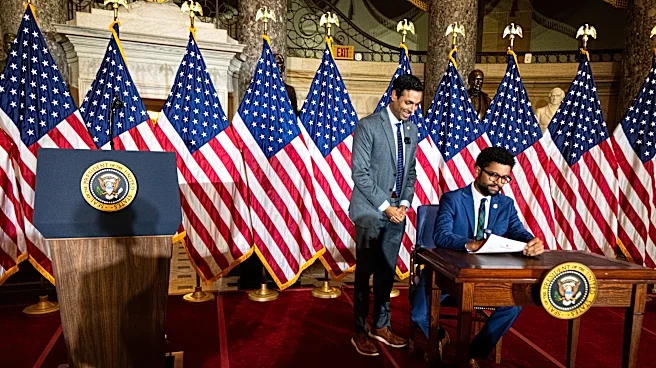
On November 13, 2026, Mayor Dr. Dorcey L. Applyrs of Albany, NY, signed an executive order to strengthen protections for the city's immigrant, refugee, and New American communities. This order expands upon a 2017 executive order that limited the Albany Police
Department's (APD) involvement in federal immigration enforcement and ensured access to city services regardless of immigration status. The new directive prohibits the use of city property for illegal federal immigration enforcement activities, reaffirms APD identification standards to distinguish local police from federal agents, and mandates documentation of federal enforcement actions. These measures were enacted in response to increased federal immigration enforcement activities and reports of illegal conduct by U.S. Immigration and Customs Enforcement (ICE) agents, aiming to preserve public trust and safety within the community.
Why It's Important?
This executive order is a significant local response to heightened federal immigration enforcement, aiming to create a safer and more trusting environment for immigrant and refugee populations in Albany. By clearly delineating the roles of local police and federal immigration agents, the order seeks to prevent situations where residents might fear interacting with law enforcement or accessing essential city services due to their immigration status. This initiative is crucial for public safety, as trust between communities and local police is vital for reporting crimes and ensuring cooperation. The order also addresses concerns about potential constitutional rights violations and illegal conduct by federal agents, reinforcing the city's commitment to protecting all its residents. The move by Albany reflects a growing trend among cities to establish 'sanctuary' policies that limit local cooperation with federal immigration authorities.
What's Next?
The executive order took effect immediately upon Mayor Applyrs' signing. City departments are now required to submit written reports whenever city personnel, facilities, or resources are used in connection with federal immigration enforcement, documenting the nature of these interactions. The APD will also establish procedures for responding to federal immigration enforcement activities at city events and public meetings. This ongoing documentation and procedural development will be critical in monitoring the order's effectiveness and ensuring compliance. The order's impact will likely be observed in how federal immigration enforcement operates within Albany and how immigrant and refugee communities perceive their safety and access to city services. The city's actions may also serve as a model or inspiration for other municipalities grappling with similar issues related to federal immigration policies.
Beyond the Headlines
The Albany executive order highlights a broader national tension between federal immigration policies and local governance. While federal agencies like ICE operate under national mandates, local governments often prioritize the well-being and trust of all their residents, regardless of immigration status. This divergence can lead to legal and operational conflicts, as seen in the need for cities to explicitly define their non-cooperation policies. The ethical implications revolve around the concept of 'sanctuary cities' and the moral responsibility of local authorities to protect vulnerable populations. Culturally, such orders can foster a sense of belonging and security for immigrant communities, counteracting the fear and uncertainty often generated by aggressive federal enforcement. However, they can also spark debate and opposition from those who believe local governments should fully cooperate with federal law. This development underscores the complex interplay of law, ethics, and community values in shaping immigration policy at different governmental levels.