







What's Happening?
A new personalized mRNA cancer vaccine, named intismeran, is showing promising results in clinical trials for preventing melanoma recurrence. Pharmaceutical companies Moderna and Merck recently issued a joint press release stating that their phase 3 results for intismeran met
endpoints of recurrence-free survival, though specific numbers were not yet disclosed. Earlier phase 2b trial results, presented at the American Society of Clinical Oncology’s annual meeting, indicated that a combination of intismeran and the immunotherapy medication Keytruda reduced the risk of melanoma recurrence by 49% after five years. This combination also lowered the risk of cancer spreading and patient mortality from melanoma by 59% within the same timeframe. Experts like Dr. Philip Felgner, a DNA and mRNA-based vaccine development expert, highlight this as the first large phase 3 study to demonstrate significant clinical benefit from an individualized mRNA cancer vaccine. The vaccine utilizes the same mRNA technology as COVID-19 vaccines but is tailored to each individual's tumor mutations.
Why It's Important?
This personalized mRNA vaccine represents a significant breakthrough in cancer treatment, particularly for melanoma, one of the deadliest forms of skin cancer. The ability to customize a vaccine to an individual's specific tumor mutations offers a highly targeted approach, potentially overcoming the limitations of conventional therapies. The impressive reduction in recurrence and mortality rates observed in clinical trials, especially when combined with existing immunotherapy, suggests a new paradigm for managing advanced melanoma. This development is particularly exciting because it leverages the proven mRNA technology, opening doors for its application across various cancer types. The potential to prevent cancer recurrence and improve long-term survival for patients with a historically aggressive cancer could transform clinical practice and offer new hope to those facing this diagnosis. Furthermore, the success in melanoma, a highly mutated and 'immune-visible' cancer, provides a strong foundation for exploring similar personalized vaccine strategies for other less 'immune-visible' cancers.
What's Next?
Merck and Moderna plan to present the latest phase 3 data soon and will then share it with regulatory authorities. The next critical step for intismeran is to obtain approval from the Food and Drug Administration (FDA) before it can be made available to the public. Beyond melanoma, there is significant enthusiasm for applying this personalized mRNA vaccine platform to other cancer types. Clinical trials are already underway for pancreatic, lung, and triple-negative breast cancers, with early results in pancreatic cancer showing durable immune responses and delayed recurrence in some patients. While each cancer presents unique challenges, the customizable nature of the mRNA vaccine platform suggests broad applicability. Researchers will continue to investigate the efficacy and safety of intismeran in various cancer contexts, aiming to expand its use and potentially redefine cancer treatment strategies.
Beyond the Headlines
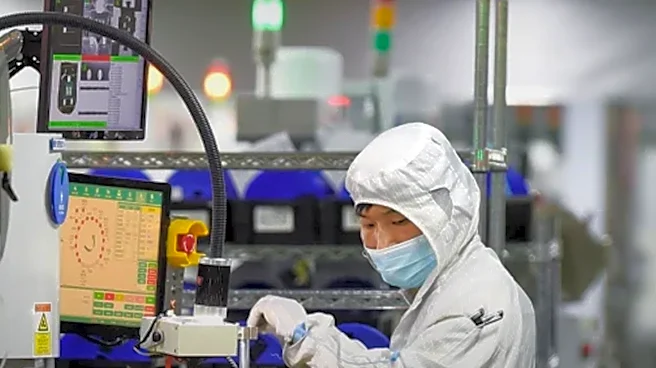
The development of personalized mRNA cancer vaccines like intismeran signifies a profound shift in oncology towards precision medicine and immunotherapy. This approach moves beyond 'one-size-fits-all' treatments, offering therapies specifically designed to target the unique genetic makeup of an individual's tumor. The underlying mRNA technology, rapidly advanced during the COVID-19 pandemic, is proving to be a versatile tool with vast potential in other medical fields. However, the logistical and economic challenges of producing highly individualized treatments on a large scale will need to be addressed. This includes developing efficient manufacturing processes, ensuring equitable access, and managing the complex data required for personalized vaccine design. The success of intismeran could also spur further research into understanding tumor immunology and the mechanisms of immune evasion, leading to even more sophisticated and effective cancer therapies in the future. This innovation not only offers a new treatment modality but also deepens our understanding of the intricate interplay between cancer and the immune system.