




What's Happening?
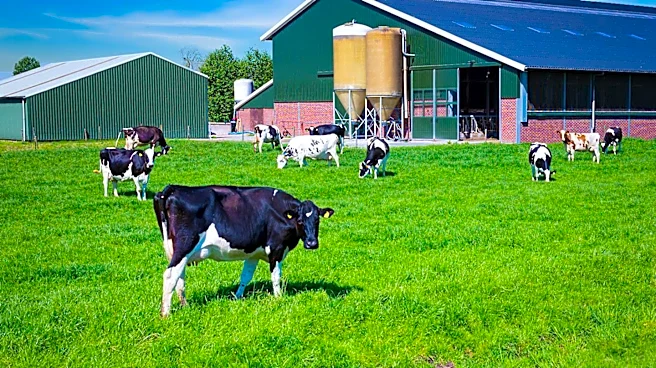
The water consumption of AI data centers is drawing criticism, but a comparison reveals that the water footprint of beef production is significantly larger. Producing one kilogram of boneless beef requires approximately 15,415 liters of water globally,
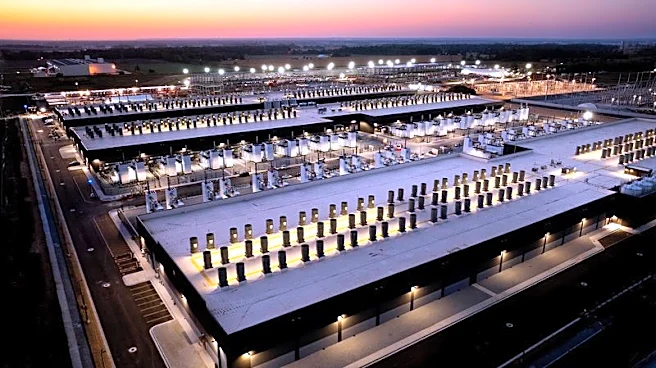
according to Mesfin Mekonnen and Arjen Hoekstra at the University of Twente. This figure includes 'green water' (rain on pasture and feed crops), which accounts for about 94% of the total. In contrast, a medium-length chatbot reply consumes roughly 15 milliliters of water, including on-site cooling and electricity generation. While Google's data center water consumption increased from 4.3 billion gallons in 2021 to 6.1 billion gallons in 2024, this amount is equivalent to the water used for approximately 1,500 tonnes of beef. Global beef production, at 62 million tonnes annually, uses water equivalent to Google's entire data center consumption for only about thirteen minutes. The key difference lies in visibility: data center water is often treated municipal supply, making its local impact more noticeable, whereas agricultural water use is diffuse.
Why It's Important?
This comparison is crucial for understanding the true environmental costs associated with different industries and consumption patterns in the U.S. While AI data centers are a growing concern due to their localized water demands, the agricultural sector, particularly livestock farming, remains the dominant consumer of freshwater resources globally. The significant water footprint of beef production underscores the environmental impact of dietary choices and the broader food system. This perspective can inform public discourse and policy decisions regarding water conservation, resource allocation, and sustainable development. It highlights that efforts to address environmental challenges must consider the full spectrum of human activities, not just emerging technologies. For U.S. consumers, it emphasizes the environmental implications of their food choices, potentially influencing dietary shifts towards less water-intensive options. For policymakers, it points to the need for comprehensive water management strategies that account for both industrial and agricultural demands.
What's Next?
The ongoing scrutiny of water usage by AI data centers is likely to intensify, prompting technology companies to invest further in water-efficient cooling technologies and to seek locations with abundant water resources or sustainable water management practices. Simultaneously, the stark contrast with agricultural water consumption may lead to increased public awareness and pressure on the livestock industry to adopt more water-efficient practices. There could be a growing push for policies that incentivize sustainable agriculture and promote dietary changes, such as plant-based diets, which have a lower water footprint. Research into the water efficiency of various food production methods will continue to be vital. Local communities, particularly those experiencing water scarcity, will likely continue to challenge the water demands of large industrial facilities, including data centers, leading to more stringent regulatory oversight and community engagement requirements for such projects.
Beyond the Headlines
The disparity in public perception between AI data center water use and beef production's water footprint reveals deeper societal biases and the challenge of communicating diffuse environmental impacts. People tend to react more strongly to visible, localized impacts, such as a data center drawing from a town's municipal supply, than to the widespread, less tangible effects of agricultural water consumption. This phenomenon, where 'outrage tracks visibility, not volume,' highlights the need for more effective environmental education and transparent reporting across all sectors. It also touches upon the ethical dimensions of consumption, prompting questions about individual responsibility versus industrial accountability. The long-term implication is a potential shift in how environmental costs are assessed and communicated, moving towards a more holistic understanding that encompasses the entire supply chain of goods and services, from food to technology, and encourages a more informed public discourse on sustainable living.