


What's Happening?
A small plane crashed during its second landing attempt in heavy fog at the Cape Newenham Long Range Radar Site Airport in Alaska, resulting in the deaths of all eight people on board. The National Transportation Safety Board (NTSB) reported that the pilots
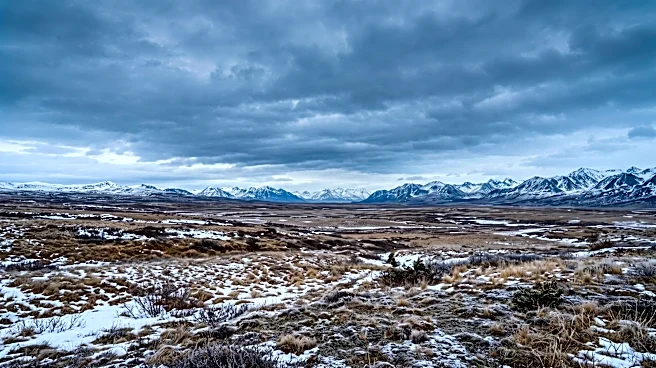
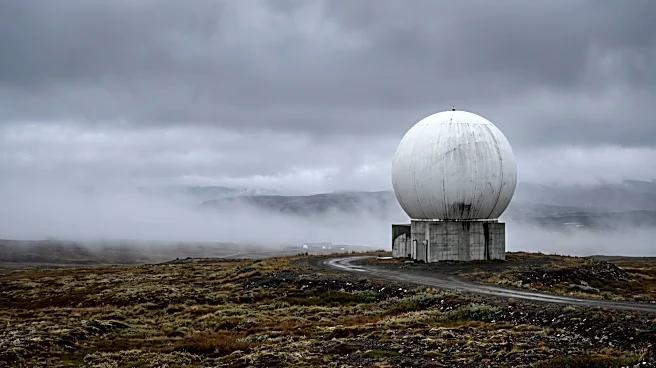
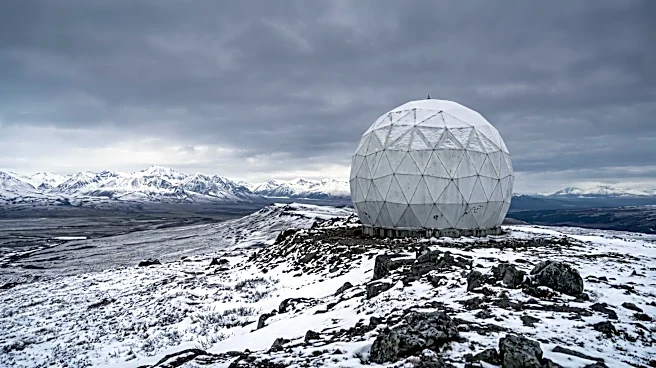
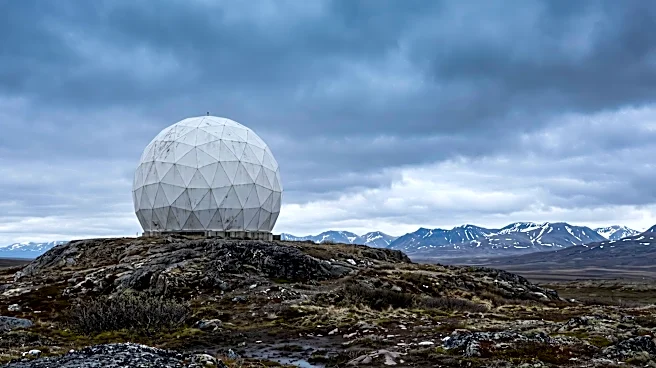
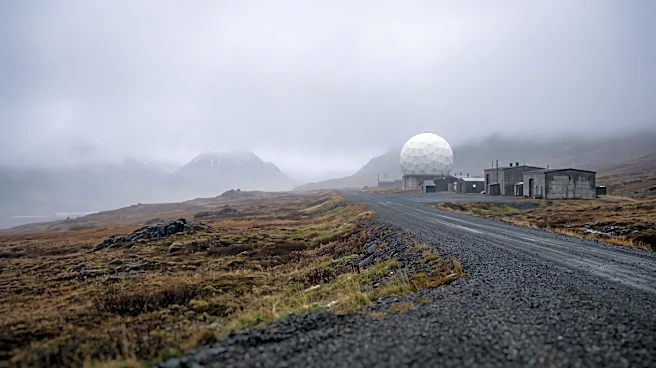
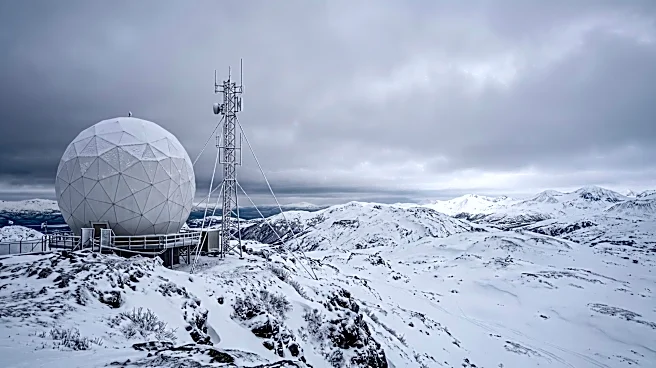
were unable to see the runway and had to rely solely on instruments. The incident occurred on Thursday, with weather conditions rapidly deteriorating from a low cloud ceiling and 10 miles of visibility to less than a quarter-mile shortly after the crash. Among the deceased were two employees of the U.S. Army Corps of Engineers, who were en route to a project supporting the U.S. Air Force. The radar site, originally built in the 1950s for early warning against missile attacks, now monitors skies towards Russia, North Korea, and China. The Federal Aviation Administration (FAA) recommends pilots use GPS and other instruments for landings at this gravel airstrip, which is located on a mountain slope.
Why It's Important?
This tragic incident underscores the inherent dangers of aviation in remote and challenging environments, particularly when adverse weather conditions severely limit visibility. The reliance on instruments and GPS for landing at such sites highlights the critical importance of robust navigation systems and pilot proficiency in instrument flight rules. The involvement of military personnel and contractors at a strategic radar site also brings to light the risks associated with maintaining critical national defense infrastructure in isolated locations. The loss of eight individuals, including those supporting U.S. Air Force operations, represents a significant human cost and could prompt further scrutiny into safety protocols and equipment at similar remote military installations. It also emphasizes the need for continuous advancements in aviation technology and weather forecasting to enhance safety in demanding operational settings.
What's Next?
National Transportation Safety Board (NTSB) investigators are currently on site to determine the exact cause of the crash. Their investigation will likely focus on several factors, including the aircraft's mechanical condition, pilot actions, and the precise weather conditions at the time of the accident. They will also examine whether the pilots declared an emergency or if the plane simply disappeared before the crash. U.S. Senator Lisa Murkowski of Alaska has identified Security Aviation, an Anchorage-based charter company, as the operator of the flight, and the company has not yet commented. The findings of the NTSB investigation could lead to updated safety recommendations for flights operating in remote Alaskan locations, particularly those serving military installations, and may influence future training requirements or technological upgrades for instrument-based landings.
Beyond the Headlines
The crash at Cape Newenham extends beyond a typical aviation accident, touching upon the broader implications of operating and maintaining critical defense infrastructure in extreme geographical conditions. The radar site's historical context, established during the Cold War to monitor potential threats, highlights the enduring strategic importance of such outposts. The incident may prompt a re-evaluation of the logistical and safety challenges faced by civilian contractors and military personnel working in these demanding environments. It also subtly underscores the human element in national security, where individuals undertake vital missions in conditions that push the boundaries of conventional aviation safety. The investigation's outcome could influence not only aviation safety standards but also the operational procedures and support systems for remote military and government facilities across the U.S., particularly in regions with unpredictable and severe weather patterns.