





What's Happening?
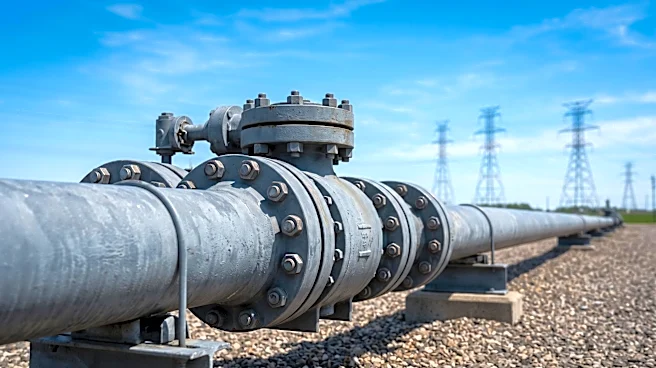
The Federal Energy Regulatory Commission (FERC) has initiated a Notice of Proposed Rulemaking (NOPR) to revise its blanket certificate program, which streamlines authorization for interstate natural gas pipeline projects, including the expansion of existing
compressors. This program, established in 1982, aims to expedite certain natural gas infrastructure activities. The proposed changes include increasing the cost limits for projects that qualify for the program. Specifically, projects authorized without prior notice to FERC would see their maximum cost limit rise from US$14.5 million to US$30 million. For projects requiring prior notice, the cost threshold for blanket certification would increase from US$41.1 million to US$86 million. FERC has already granted a temporary waiver, raising the eligibility threshold to US$61,650,000 for pipeline projects constructed and placed in service by May 31, 2028, in response to rising construction costs cited by the Interstate Natural Gas Association of America (INGAA). As of mid-October, FERC had not yet finalized these changes, but various stakeholders are closely monitoring the outcome.
Why It's Important?
These proposed revisions to FERC's blanket certificate program carry significant implications for the U.S. energy sector, particularly for natural gas producers and consumers. By raising the cost limits for projects eligible for expedited approval, FERC aims to reduce regulatory hurdles and accelerate the development of natural gas infrastructure. Proponents, including West Virginia Attorney General J.B. McCuskey and a coalition of 26 state attorneys general, argue that these changes will benefit gas producers by reducing red tape and provide consumers with greater access to affordable energy. The Interstate Natural Gas Association of America (INGAA) highlighted a substantial increase in pipeline and compressor construction costs between 2006 and 2024, with median costs rising by 256% for pipelines and 172% for compression. The proposed rule seeks to adapt to these economic realities, potentially fostering more efficient and timely infrastructure development. However, critics, including attorneys general from 15 states and various environmental groups, express concerns that the changes could lead to increased energy bills, higher air pollution, and other environmental harms, while also reducing public input and oversight on significant projects.
What's Next?
FERC is expected to continue its review process for the proposed revisions to the blanket certificate program. While no final action had been taken as of mid-October, the commission will likely consider the diverse feedback received from various stakeholders. This includes strong support from a coalition of state attorneys general, led by West Virginia Attorney General J.B. McCuskey, who advocate for the adoption of the proposals to streamline energy development. Conversely, a group of 15 state attorneys general, led by Washington Attorney General Nick Brown and Massachusetts Attorney General Andrea Joy Campbell, along with numerous environmental organizations, are actively opposing the changes. These groups argue that the proposed rule could negatively impact consumers and the environment by limiting public notice and input. The outcome of FERC's decision will determine the future regulatory landscape for interstate natural gas pipeline projects, influencing the speed and cost of infrastructure development and potentially shaping energy accessibility and environmental protections across the U.S.
Beyond the Headlines
The debate surrounding FERC's proposed changes to the blanket certificate program highlights a fundamental tension between energy infrastructure development and environmental protection, as well as the role of regulatory bodies in balancing these competing interests. The program's original intent was to provide streamlined authorization, but the proposed revisions reflect a broader shift in economic realities, particularly the rising costs of construction. This situation underscores the ongoing challenge for regulators to adapt policies to current market conditions while addressing concerns about public welfare and environmental impact. The differing stances of state attorneys general and environmental groups reveal a deep ideological divide on energy policy, with some prioritizing economic efficiency and energy affordability, and others emphasizing environmental stewardship and community input. The outcome of this rulemaking could set a precedent for how future energy projects are approved, potentially influencing the balance of power between federal regulators, industry, and public advocacy groups in shaping the nation's energy future. It also raises questions about the long-term implications for energy security, climate goals, and local community impacts.