
What's Happening?
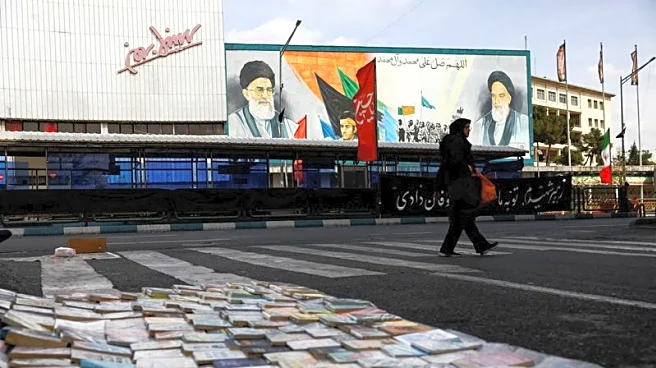
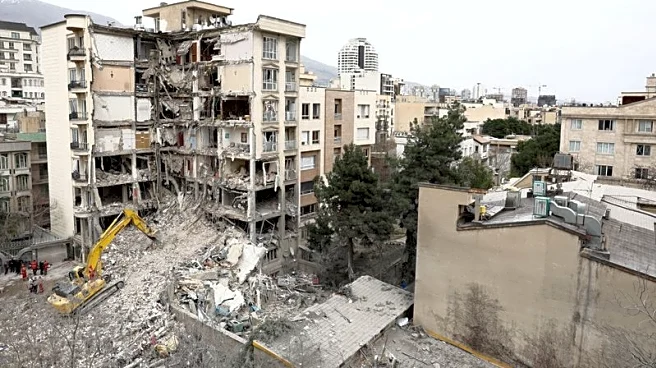
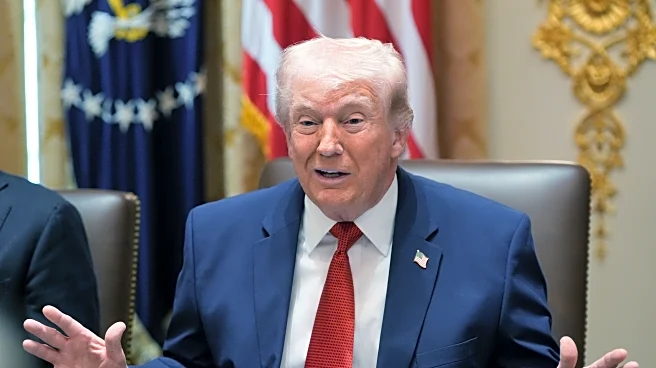
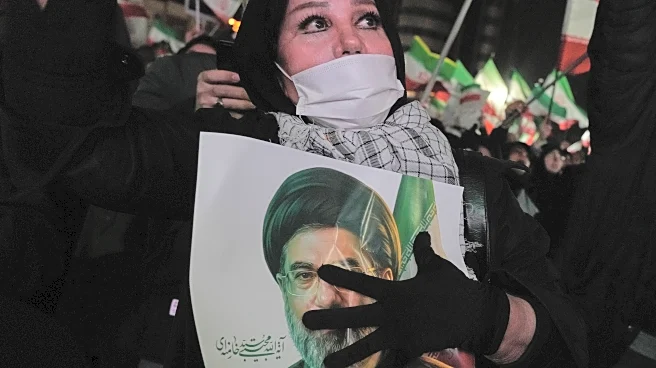
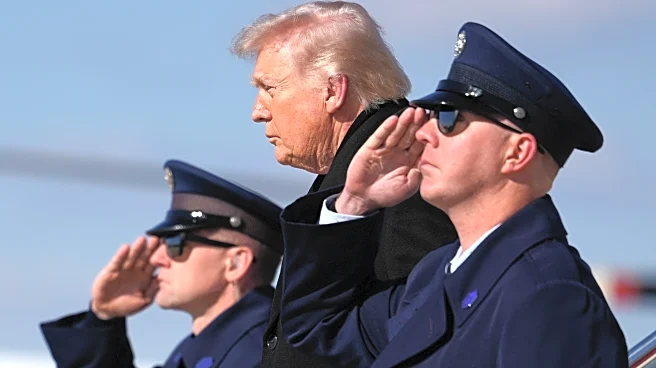
President Trump has stated that the United States is engaged in negotiations with Iran, asserting that military operations against the regime are progressing ahead of schedule. Despite these claims, there is growing concern in Washington about whether
the U.S. military possesses the necessary funding and weaponry to conclude the conflict successfully while remaining prepared for other global threats. Texas GOP Congressman and retired U.S. Air Force Reserve Colonel August Pfluger has discussed the importance of ensuring that the U.S. military has adequate munitions and personnel to address current and future conflicts. The situation highlights the critical role of the Air Force in these operations and raises questions about the broader strategic readiness of the U.S. military.
Why It's Important?
The ongoing negotiations and military operations with Iran have significant implications for U.S. national security and foreign policy. Ensuring military readiness is crucial not only for the current conflict but also for maintaining global stability and addressing potential future threats. The concerns raised by lawmakers and military officials underscore the need for adequate defense funding and strategic planning. The outcome of these negotiations and military actions could impact U.S. relations with Iran and influence the geopolitical landscape in the Middle East. Additionally, the readiness of the U.S. military affects the country's ability to project power and protect its interests worldwide.
What's Next?
As negotiations with Iran continue, the U.S. military will need to assess its current capabilities and address any gaps in readiness. This may involve increased funding for defense and strategic adjustments to ensure that the military can respond effectively to both the Iran conflict and other potential global threats. Political leaders and military officials will likely continue to debate the best course of action to maintain military readiness and achieve a successful resolution to the conflict. The outcome of these discussions could lead to changes in defense policy and military strategy.