




What's Happening?
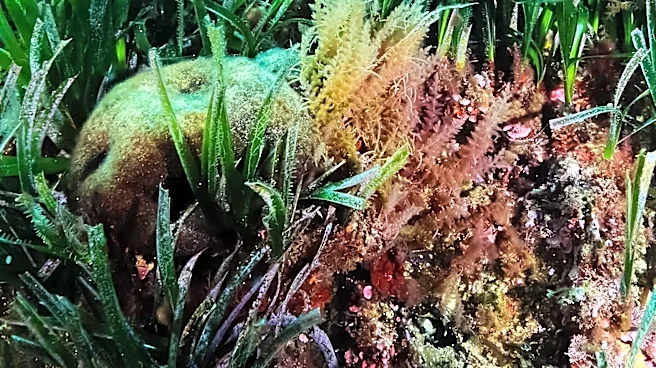
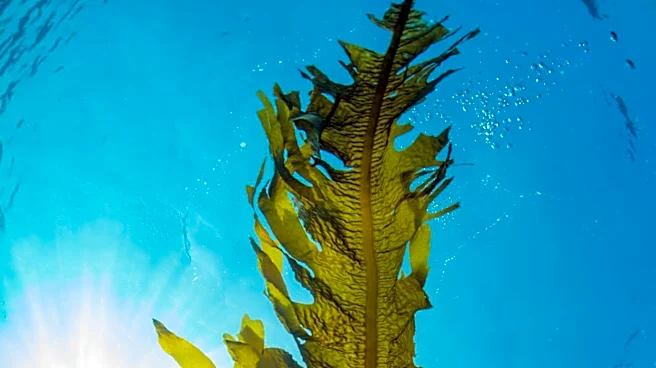
The decline of kelp forests along the Northern California coast has reached critical levels, with a 95% reduction in canopy since 2014. This decline, driven by ocean warming and El Niño events, has disrupted the ecological balance, affecting species like
red abalone and rockfish. The Yurok Tribe, whose cultural and ecological systems are intertwined with these marine environments, has been particularly impacted. Efforts are underway to restore these ecosystems, with community-led initiatives focusing on controlling purple urchin populations and replanting kelp.
Why It's Important?
The loss of kelp forests poses a significant threat to biodiversity and the livelihoods of Indigenous communities that rely on these ecosystems. Kelp forests play a crucial role in carbon sequestration, making their preservation vital for combating climate change. The situation highlights the interconnectedness of ecological health and cultural heritage, emphasizing the need for sustainable management practices. The restoration efforts also demonstrate the potential for community involvement in environmental conservation, offering a model for similar initiatives worldwide.
What's Next?
Restoration efforts are ongoing, with community scientists and organizations like the Reef Check Foundation actively working to remove invasive urchins and plant kelp seedlings. The success of these initiatives depends on favorable ocean conditions and continued support from local and state agencies. Monitoring and data collection by the Yurok Tribe and other stakeholders will be crucial in assessing the effectiveness of these strategies and adapting them as needed. The long-term goal is to restore the ecological balance and ensure the sustainability of these vital marine ecosystems.