

What's Happening?
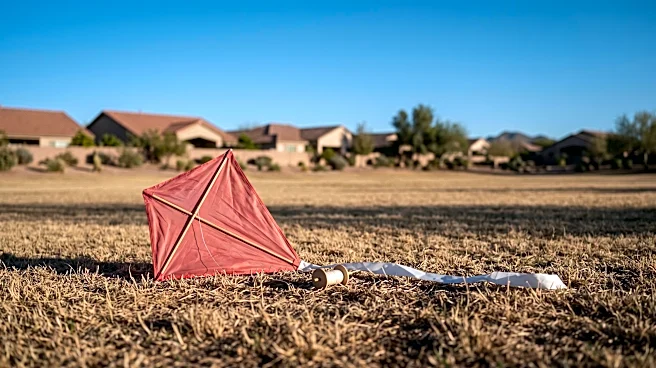
A mother in an Arizona neighborhood, Brittany Cardinal, suffered lacerations and puncture wounds to her face while protecting her 4-year-old daughter from a coyote attack. The incident occurred on a Sunday afternoon when Cardinal and her daughter were
flying a kite. The coyote approached the child, prompting Cardinal to intervene. She attempted to scare the animal away by shouting and waving her sandal. During the confrontation, Cardinal fell, and the coyote bit her face. Despite the severity of the bite, Cardinal reported feeling only pressure at the moment of the attack. She and her daughter managed to escape and return home. Following the incident, officials from the Arizona Game and Fish Department removed several coyotes from the area and initiated testing for rabies. Authorities commended Cardinal's actions, stating she responded appropriately to an aggressive coyote. Alex Flickinger, a community public affairs liaison for the Arizona Game and Fish Department, emphasized the importance of self-defense, advising individuals to make noise, yell, or throw objects to deter aggressive animals.
Why It's Important?
This incident highlights the increasing frequency of human-wildlife encounters in residential areas, particularly with coyotes, and underscores the potential dangers these interactions pose to public safety. The mother's injuries serve as a stark reminder of the need for residents to be vigilant and prepared for such situations. The response from the Arizona Game and Fish Department, including the removal of coyotes and rabies testing, is crucial for mitigating immediate threats and understanding the health status of the local wildlife population. Furthermore, the department's advice on how to react to aggressive coyotes provides essential guidance for residents, aiming to prevent future attacks and promote safer coexistence between humans and wildlife. This event also brings attention to the broader issue of urban sprawl encroaching on natural habitats, leading to more frequent interactions between humans and animals that are adapting to urban environments.
What's Next?
Following the removal of coyotes from the area, the Arizona Game and Fish Department will continue to monitor the situation and await the results of rabies tests. These results will determine if there is a broader public health concern related to rabies in the local coyote population. The department is likely to increase public awareness campaigns regarding coyote behavior and appropriate responses to encounters, especially in residential zones. Residents in the affected neighborhood and similar areas may see increased patrols or educational outreach efforts. There could also be discussions among local authorities about implementing additional measures to manage urban wildlife populations and ensure public safety, such as reviewing waste management practices that might attract coyotes. The incident may also prompt local communities to re-evaluate and reinforce guidelines for pet owners to protect their animals from potential coyote threats.
Beyond the Headlines
The incident transcends a simple animal attack, touching upon the complex dynamics of urban development and wildlife adaptation. As human populations expand into previously wild areas, encounters with animals like coyotes become more common, forcing both humans and wildlife to adjust. This event raises ethical questions about wildlife management in urban settings, balancing conservation efforts with public safety concerns. It also highlights the psychological impact on communities living in proximity to wildlife, where the perceived threat can alter daily routines and outdoor activities. The emphasis on self-defense against aggressive animals, as advised by authorities, reflects a shift towards empowering individuals in these encounters, rather than solely relying on professional intervention. This situation could also spark broader conversations about responsible land use, habitat preservation, and the development of long-term strategies for harmonious coexistence with urban wildlife.