





What's Happening?
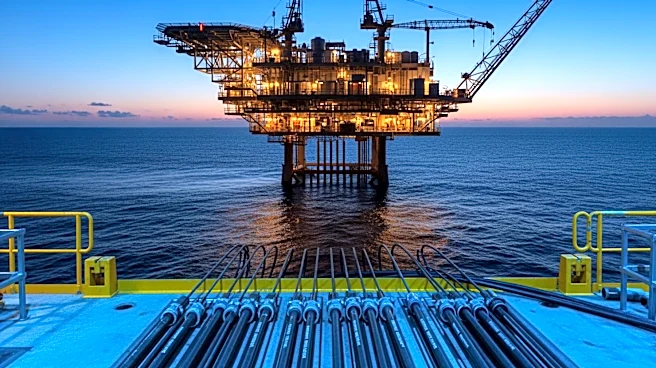
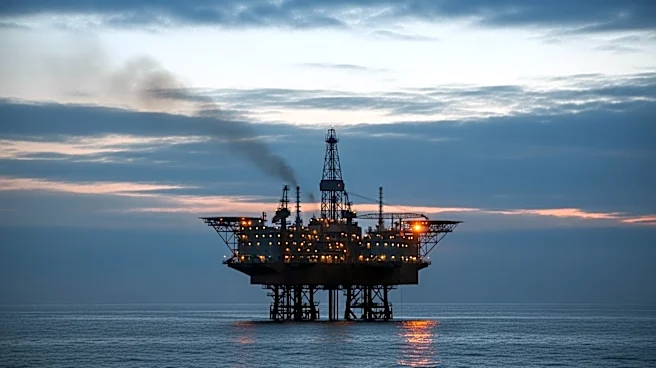
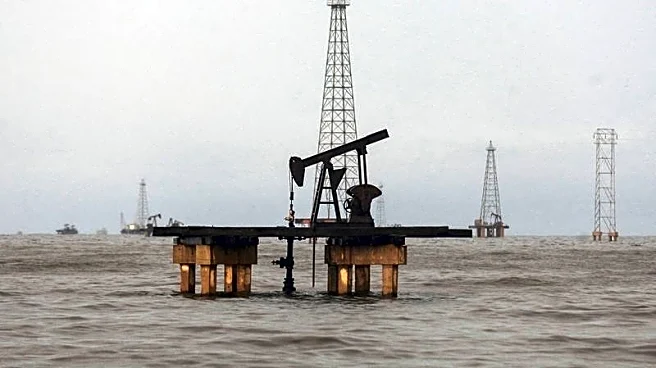
Cenovus Energy's expansion of the West White Rose oilfield off the coast of Newfoundland is projected to increase greenhouse gas emissions by 21 percent, equivalent to about 100,000 metric tonnes of carbon dioxide. This increase is primarily due to the platform's
reliance on natural gas for electricity generation, with diesel as a backup. The expansion, which extends the oilfield's life by 14 years, has been praised for creating construction jobs but criticized for its environmental impact. The Newfoundland and Labrador government has approved the emissions increase, which will be factored into Cenovus' annual reduction targets.
Why It's Important?
The expansion of the West White Rose oilfield highlights the ongoing tension between economic development and environmental sustainability. While the project supports local employment and economic growth, it also contributes to increased carbon emissions, complicating efforts to combat climate change. This situation underscores the challenges faced by governments and industries in balancing economic interests with environmental responsibilities. The decision to approve the emissions increase may set a precedent for future projects, influencing policy and regulatory approaches to emissions management in the energy sector.
Beyond the Headlines
The approval of increased emissions for the West White Rose oilfield reflects broader challenges in addressing climate change amid economic pressures. As climate change continues to drive extreme weather events, the need for effective emissions management becomes more urgent. The situation also raises questions about the effectiveness of current regulatory frameworks and the role of public awareness in driving policy changes. The long-term environmental impact of such projects may prompt further scrutiny and calls for more stringent emissions reduction measures.