





What's Happening?
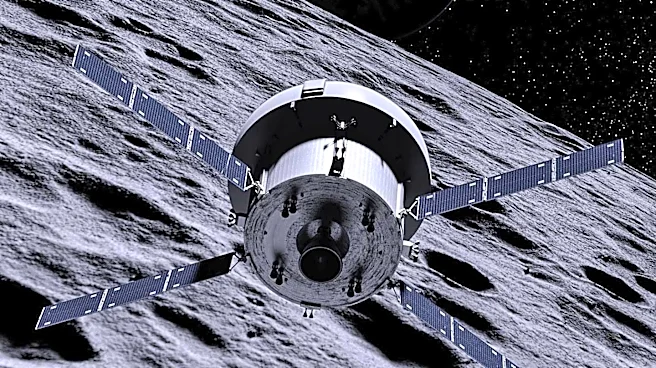
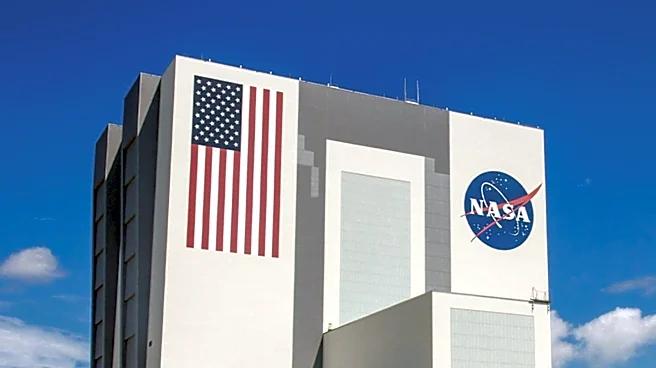
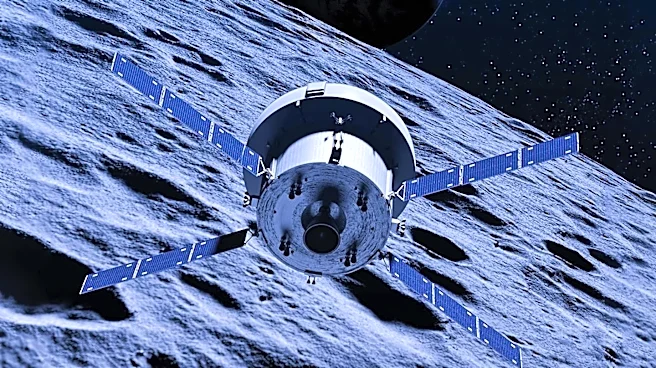
NASA officials recently met with Arkansas lawmakers, including U.S. Rep. French Hill, to explore how the state's businesses and universities can contribute to and benefit from the Artemis program. The Artemis program aims to return Americans to the moon,
establish a lunar base, and facilitate deeper space exploration, with a target of constructing a sustainable moon base by the early 2030s. Joel Graham, NASA's associate administrator for the Office of Legislative and Intergovernmental Affairs, emphasized that the program requires suppliers from across the country, including Arkansas. Kelvin Manning, NASA's deputy associate administrator for the Human Spaceflight Mission Directorate, highlighted the importance of partnerships between the federal government, industry, and academia to enable Arkansas's contributions to future missions. NASA also noted that 17 Arkansas students participated in NASA internships this year, indicating opportunities in fields such as engineering, computer science, and nuclear technology.
Why It's Important?
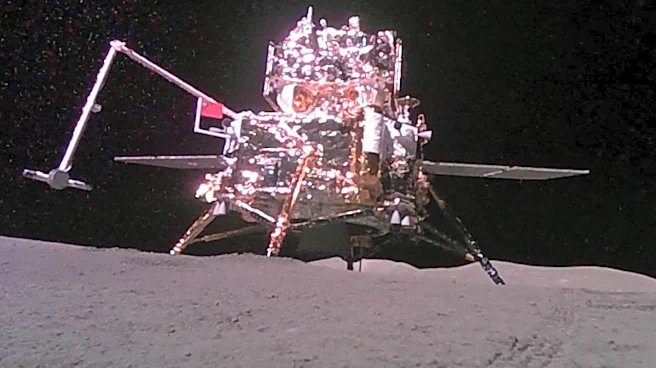
This initiative is significant for Arkansas as it presents a new avenue for economic development and workforce expansion. By integrating into NASA's supply chain, Arkansas businesses can secure contracts and foster growth in high-tech sectors. The focus on partnerships with universities and the emphasis on STEM fields like engineering and computer science can lead to enhanced educational programs and increased opportunities for students, potentially creating a skilled workforce pipeline for the aerospace industry. Furthermore, the Artemis program's goal of establishing a moon base by the early 2030s signifies a long-term commitment to space exploration, offering sustained opportunities for states like Arkansas that align with NASA's objectives. This engagement also underscores the national effort to compete in a new space race, with NASA officials noting China's similar ambitions for a moon base.
What's Next?
Arkansas lawmakers are expected to continue efforts to recruit businesses that can integrate into NASA's supply chain, leveraging the space industry as an economic development tool. The state will likely focus on fostering partnerships between its academic institutions and NASA to expand research, technology, and workforce development opportunities. This could involve developing specialized educational programs to prepare students for careers in aerospace and related fields. NASA will continue to seek contributions from across the country for the Artemis program, and states that actively engage with the agency are more likely to secure a role in its future missions. The ongoing development of the Artemis program, including the construction of a sustainable moon base, will create continuous demand for diverse suppliers and skilled professionals.
Beyond the Headlines
The collaboration between NASA and Arkansas extends beyond immediate economic benefits, touching upon broader themes of national innovation and global competitiveness. By encouraging state-level participation in ambitious projects like Artemis, the U.S. aims to maintain its leadership in space exploration and technological advancement. This also highlights the decentralized nature of large-scale federal projects, where success relies on a robust network of regional contributions. The emphasis on student internships and academic partnerships suggests a long-term strategy to cultivate the next generation of scientists and engineers, ensuring a sustainable talent pool for future space endeavors. The 'new space race' with China adds a geopolitical dimension, making domestic contributions to NASA's programs even more critical for national security and prestige.