







What's Happening?
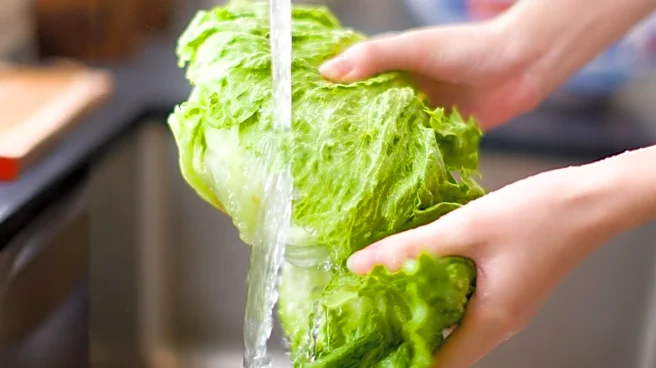
Taylor Farms has announced an expansion of its voluntary recall of iceberg lettuce products sourced from central Mexico. This decision follows a potential link to a multistate cyclospora outbreak that has affected individuals across the United States.
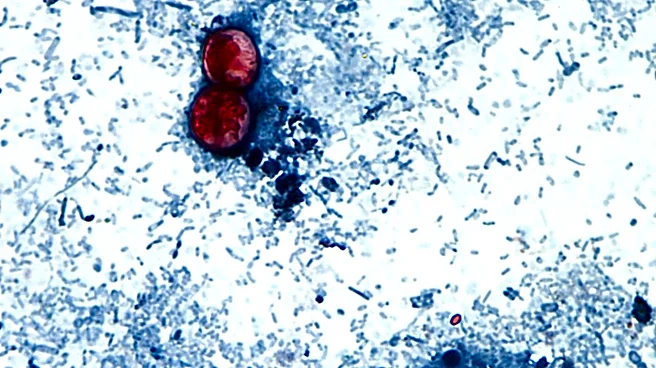
The recalled products, which may be contaminated with the diarrhea-causing parasite, were distributed to 27 states, including Texas, Florida, Pennsylvania, Illinois, and New Jersey. The company has ceased sourcing lettuce from the implicated lot in central Mexico and is actively removing the affected products from circulation. The recall includes 25 shredded lettuce and salad mix products sold under eight different brand codes, with 'best by' dates extending to August 3. Sysco, a major food distributor, has also stopped distributing Taylor Farms' iceberg lettuce from Mexico and instructed customers to destroy any remaining stock. Cyclospora, the parasite in question, is known to infect food through contact with contaminated water, leading to intestinal illness characterized by severe diarrhea.
Why It's Important?
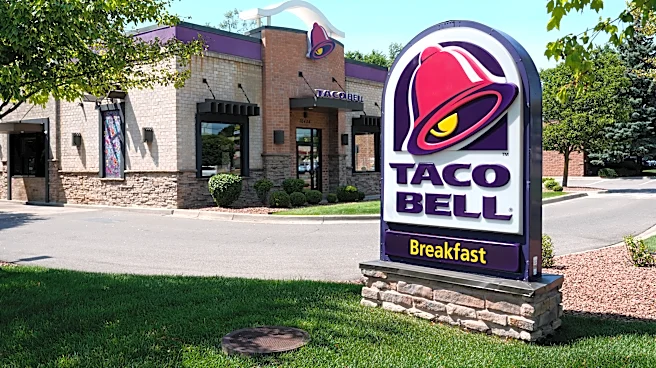
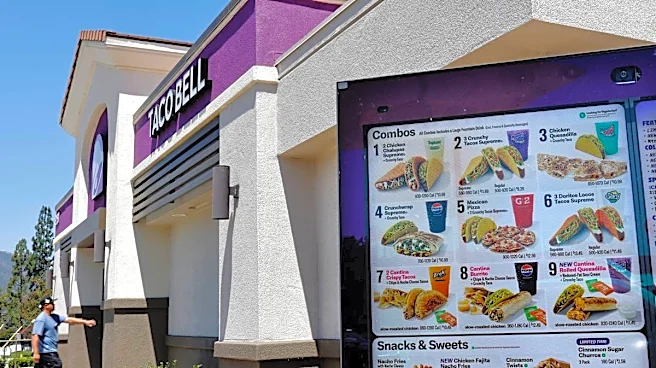
The expansion of the lettuce recall by Taylor Farms is significant due to the widespread distribution of the potentially contaminated products across 27 states. This recall highlights the ongoing challenges in ensuring food safety, particularly with produce sourced internationally. The cyclospora outbreak has already sickened at least 1,645 people in the U.S. this year, with 141 hospitalizations, underscoring the public health impact. The situation also raises concerns about the safety protocols in place for imported produce and the effectiveness of current measures to prevent such outbreaks. The recall affects not only consumers but also businesses like Taco Bell, which had to swiftly remove the affected lettuce from its supply chain, demonstrating the broader economic implications for the food industry.
What's Next?
In response to the recall, U.S. health officials and the Centers for Disease Control and Prevention (CDC) are likely to continue their investigation into the cyclospora outbreak to identify additional sources of contamination and prevent further cases. The food industry may face increased scrutiny and pressure to enhance safety measures, particularly for imported produce. Consumers are advised to remain vigilant and check for updates on recalled products to avoid potential health risks. The situation may also prompt discussions on regulatory changes to improve traceability and safety standards for imported food products.