
What's Happening?
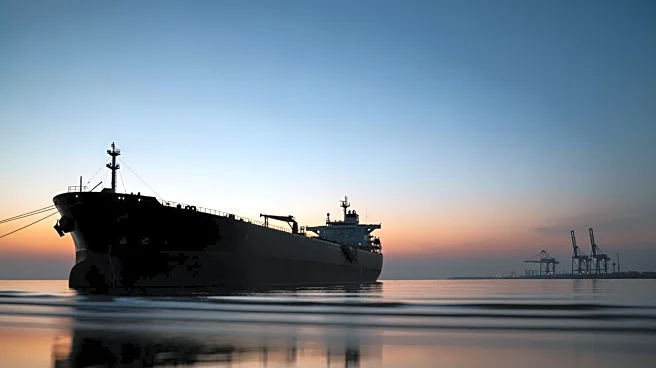
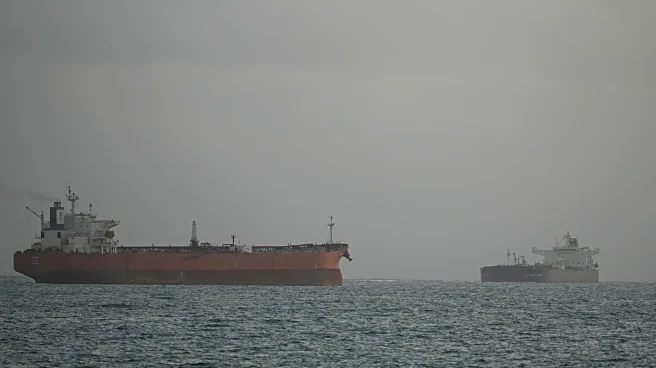
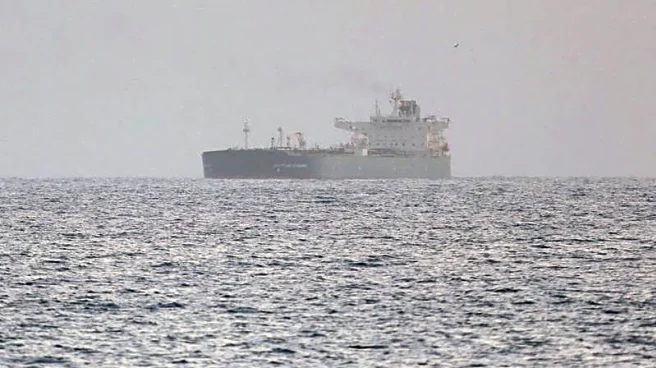
A Russian-flagged tanker carrying approximately 700,000 barrels of crude oil has arrived in Cuba's Matanzas Bay, marking the first significant oil delivery since the Trump administration cut off the island's fuel supply. The tanker, Anatoly Kolodkin,
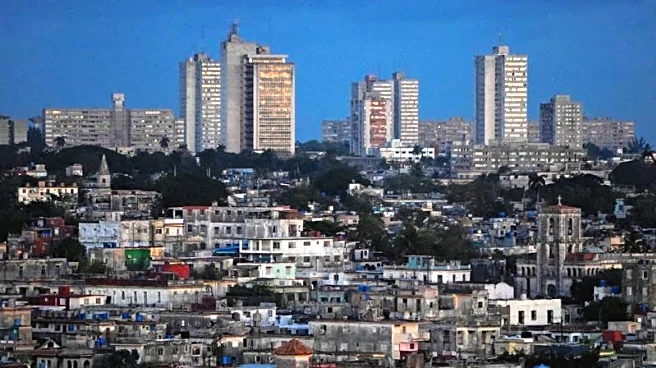
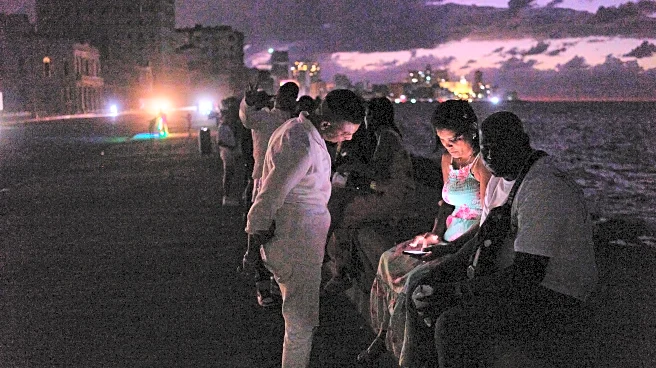
entered Cuban waters under U.S. sanctions but was allowed to deliver fuel for humanitarian reasons. This delivery comes after a three-month period during which Cuba did not receive any oil tankers, exacerbating an energy crisis that has led to repeated blackouts affecting healthcare, public transportation, and farming. The crude oil, once offloaded and refined, is expected to provide temporary relief to Cuba's Communist government, which is under pressure from President Trump's administration. The shipment consists of Russian Urals, a medium sour crude suitable for Cuba's aging refineries.
Why It's Important?
The arrival of the Russian oil tanker is significant as it temporarily alleviates Cuba's severe energy crisis, which has been worsened by U.S. sanctions. The energy shortages have had widespread impacts on Cuban society, crippling essential services and infrastructure. The U.S. decision to allow this shipment for humanitarian reasons indicates a potential shift in policy, albeit limited, towards Cuba. This development also highlights the geopolitical dynamics involving Russia, the U.S., and Cuba, as Russia steps in to support Cuba amidst U.S. sanctions. The situation underscores the broader implications of U.S. foreign policy in the region and its impact on local populations.
What's Next?
The Trump administration has stated it will review further oil shipments to Cuba on a 'case-by-case' basis, suggesting that future deliveries may be subject to similar scrutiny. The Kremlin has indicated a willingness to continue supporting Cuba, which could lead to more Russian oil shipments in the future. The ongoing energy crisis in Cuba may prompt further international diplomatic engagements, as the island nation seeks to stabilize its energy supply. Additionally, the U.S. may face international pressure to reconsider its sanctions policy, especially if humanitarian concerns continue to arise.