




What's Happening?
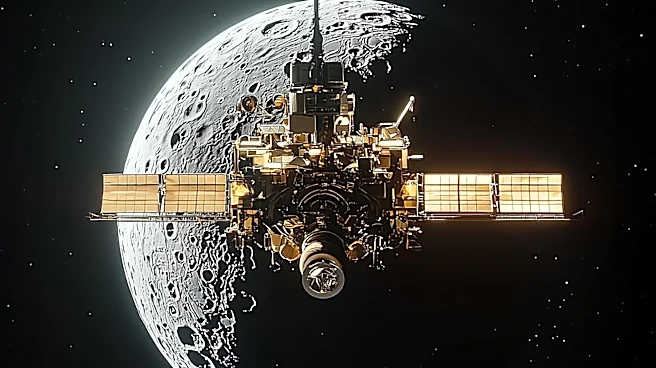
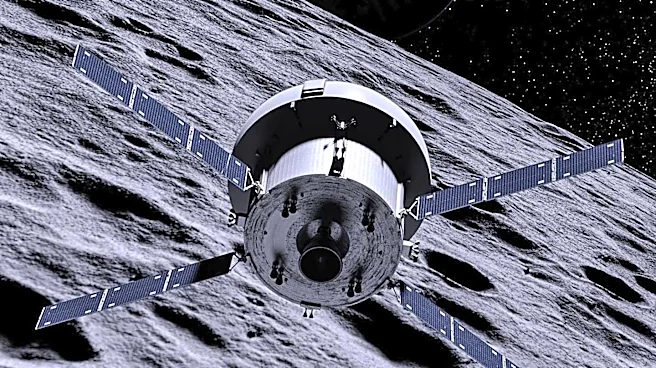
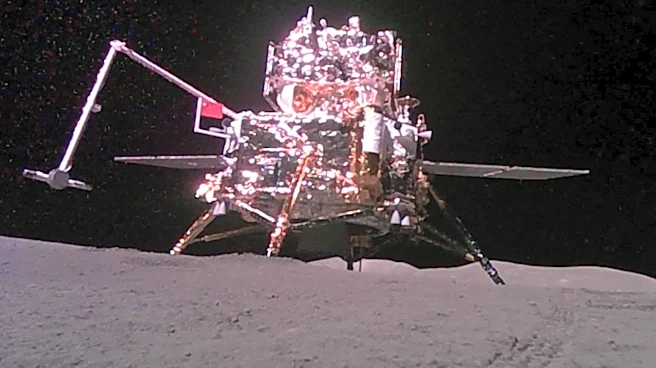
NASA is progressing in its efforts to establish a Moon Base near the Moon's South Pole, collaborating with commercial partners like Blue Origin, Firefly Aerospace, Intuitive Machines, and Voyager Lunar Systems. These companies are working towards delivering
landers by 2028, which will provide the foundational architecture for a sustained lunar presence. The initiative includes over twenty robotic landings through 2029, aimed at advancing system capabilities and validating components for future human habitation. NASA's Commercial Lunar Payload Services (CLPS) initiative plays a vital role in building a reliable lunar supply chain, supporting the agency's goal of a permanent human and robotic presence on the Moon.
Why It's Important?
The development of a Moon Base represents a significant step in NASA's long-term lunar exploration strategy. By partnering with commercial entities, NASA is leveraging private sector innovation to enhance its capabilities and reduce costs. The Moon Base will serve as a platform for scientific research, technology testing, and eventual human operations, contributing to the broader goal of sustainable space exploration. This initiative also strengthens the U.S. position in the global space race, fostering technological advancements and economic opportunities in the aerospace sector.
What's Next?
As NASA and its partners continue to develop the Moon Base, upcoming milestones include the integration and testing of lander components, as well as the deployment of scientific instruments and infrastructure. The success of these missions will depend on the ability to address technical challenges and ensure the reliability of lunar systems. Future phases of the Moon Base project will focus on expanding human presence and capabilities on the lunar surface, paving the way for potential Mars exploration.