
What's Happening?
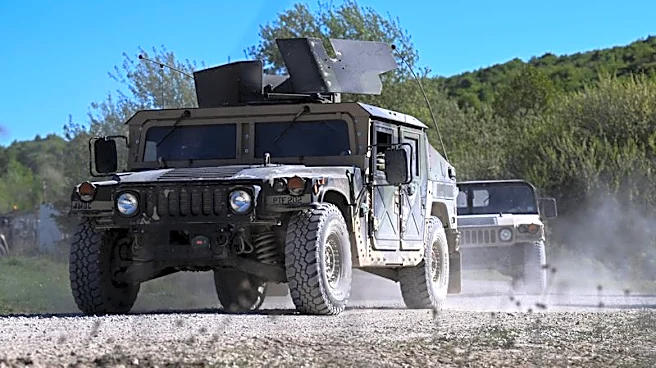
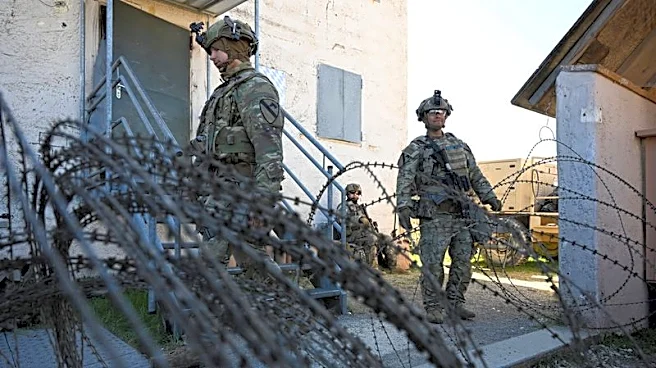
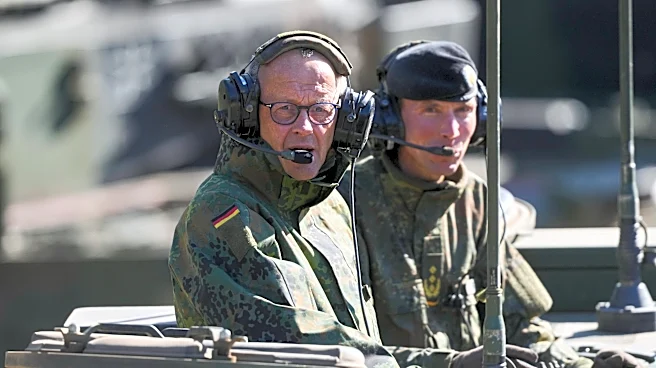
Norway has been informed by the United States that it may experience delays in the delivery of American-made weapons. This development is occurring in the context of ongoing conflicts in the Middle East,
which are reportedly straining US military stockpiles. The Norwegian Ministry of Defense, through spokesperson Brage Berglund, confirmed that while they have been notified of potential delays, no definitive decisions have been made. This situation aligns with similar warnings received by other Nordic and Baltic nations, as confirmed by Kaja Kallas, the EU’s High Representative for Foreign Affairs and Security Policy. The delays are affecting several countries in the region, with Estonia already reporting setbacks in the delivery of US-made HIMARS systems. The delays are primarily attributed to the reallocation of US stockpiles to other regions, as noted by Finnish President Alexander Stubb.
Why It's Important?
The potential delays in weapons deliveries from the US to Norway and other Nordic and Baltic countries could have significant implications for regional security, especially given the heightened tensions in Europe due to Russia's actions in Ukraine. These countries rely heavily on US military equipment to bolster their defenses, and any disruption in supply could impact their military readiness. The situation also underscores the broader geopolitical challenges posed by the Middle East conflict, which is affecting global military logistics and supply chains. The delays could strain diplomatic relations, as these nations have increased their defense spending at the behest of Washington, expecting timely delivery of military support.
What's Next?
The affected countries may seek clarification and assurances from the US regarding the timeline and extent of the delays. Diplomatic engagements are likely to intensify as these nations assess the impact on their defense capabilities. The US may need to prioritize its military commitments and explore alternative solutions to meet its obligations to allies. Additionally, the ongoing conflict in the Middle East will continue to be a critical factor influencing US military logistics and international relations.