








What's Happening?
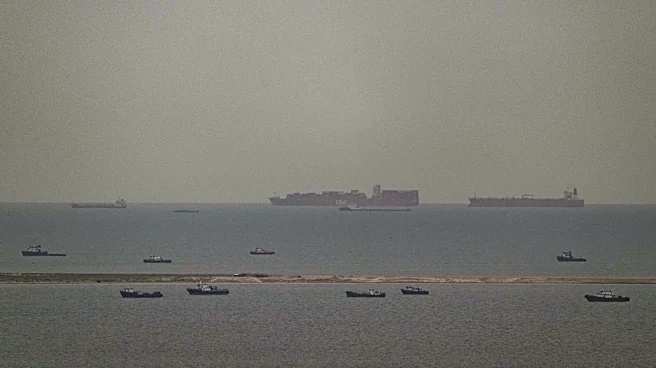
A two-week ceasefire between the U.S. and Iran has been established, but interpretations of the agreement differ significantly between the parties involved. The ceasefire includes the reopening of the Strait of Hormuz, but Iran insists on controlling
the passage, potentially charging levies on ships. The U.S. and Iran have conflicting views on key issues such as uranium enrichment and the scope of the ceasefire, particularly regarding Israeli attacks on Lebanon.
Why It's Important?
The ceasefire has temporarily eased tensions and provided relief to global markets, but the differing interpretations of the agreement highlight the challenges in achieving a lasting peace. Iran's control over the Strait of Hormuz and its enriched uranium stockpile give it significant leverage in negotiations. The situation underscores the complexities of Middle East diplomacy and the potential for renewed conflict if the ceasefire terms are not upheld. The outcome of the talks will have significant implications for global energy markets and geopolitical stability.
What's Next?
Negotiations are expected to continue, with both sides needing to address the key issues of control over the Strait of Hormuz and uranium enrichment. The international community will be closely monitoring the situation, as the resolution of these issues could impact global energy security and geopolitical dynamics. The potential for renewed conflict remains if the ceasefire terms are not upheld.