



What's Happening?
The National Oceanic and Atmospheric Administration (NOAA) has forecasted a strong geomagnetic storm expected to hit Earth soon. This storm is linked to a coronal mass ejection (CME) from the sun, which is anticipated to arrive early to midday Tuesday.
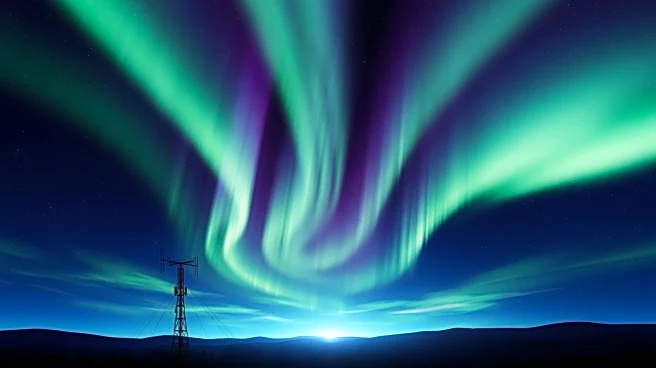
The CME, associated with an M8.1 solar flare, could cause elevated geomagnetic activity, potentially reaching a G3 storm level on the Space Weather Scale. Such storms can disrupt satellite operations, degrade GPS signals, and interfere with radio communications. Additionally, the storm may enhance auroras, making the northern lights visible in more U.S. regions than usual, including northern states and some areas from the lower Midwest to Oregon.
Why It's Important?
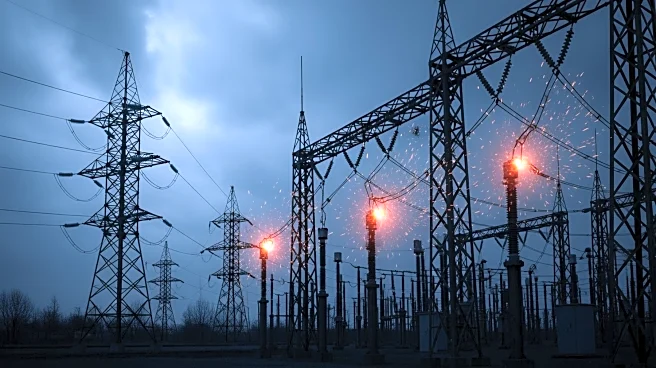
Geomagnetic storms can have significant impacts on technology and infrastructure. They can disrupt communication systems, GPS, and power grids, affecting aviation, maritime operations, and other critical services. The potential for stronger auroras also presents an opportunity for increased visibility of the northern lights, which could attract tourism and interest in affected areas. Understanding and preparing for space weather events is crucial for minimizing disruptions and safeguarding technological systems that are integral to modern life.
What's Next?
NOAA's Space Weather Prediction Center will continue to monitor the situation and issue geomagnetic storm watches and warnings as necessary. They will provide information on expected intensity, timing, and potential impacts. Stakeholders, including aviation and maritime industries, may need to adjust operations to mitigate risks associated with communication and navigation disruptions. The public may also be advised on where auroras might be visible during the storm.