



What's Happening?
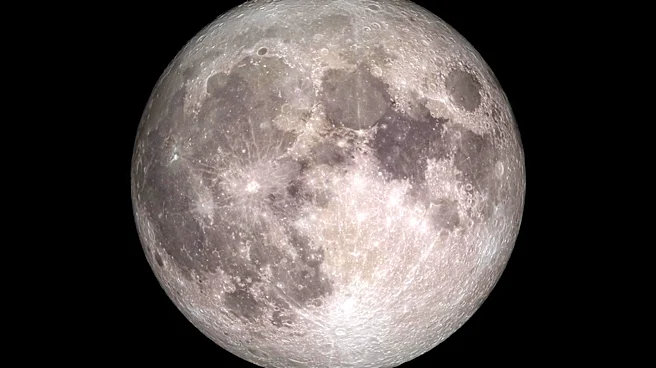
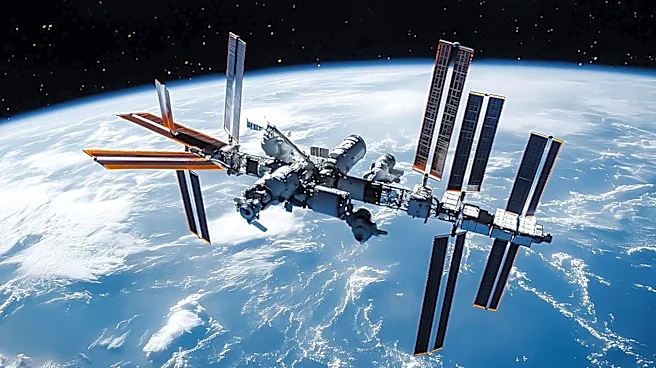
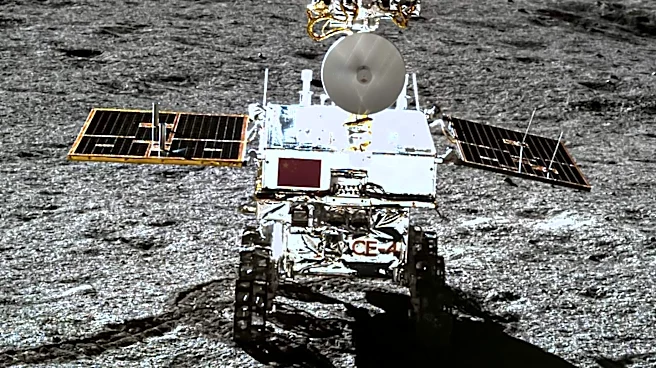
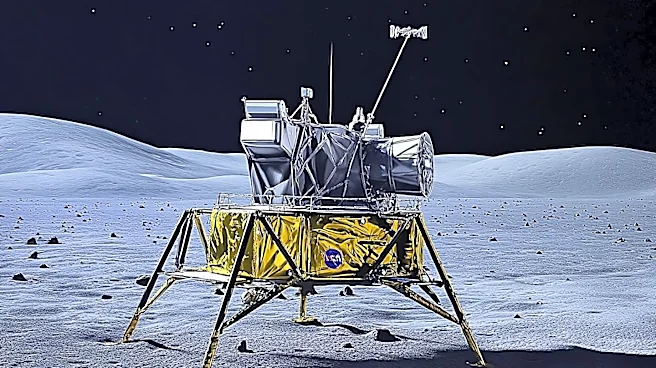
Hewlett Packard Enterprise (HPE) is preparing for a lunar test of edge computing, with its Spaceborne Computer-4 scheduled to launch aboard Astrolab's FLIP rover in 2026. This mission will mark HPE's first space computer operating in the vacuum of space,
building on previous versions sent to the International Space Station. The module is designed to test large language models, process visual and LiDAR data, and perform autonomous monitoring on the lunar surface. NASA plans to deploy a neural-network model trained on data from Earth, the Moon, and the International Space Station, while Deloitte will implement its Silent Shield system for cyber-intrusion detection and near-real-time analytics. HPE will also provide software support for Astrolab's mission control to manage automated workloads and derive insights from the rover, aiming to reduce the need to transmit all raw data back to Earth for analysis.
Why It's Important?
This lunar mission represents a significant advancement in edge computing and artificial intelligence capabilities beyond Earth. By testing AI and data processing directly on the lunar surface, HPE and its partners are pushing the boundaries of autonomous operations in extreme environments. The ability to process data at the source, rather than relying solely on Earth-based analysis, could revolutionize space exploration by enabling faster decision-making and reducing communication latency. This initiative also extends HPE's AI infrastructure narrative beyond traditional data centers and enterprise networks, showcasing its technology's versatility and resilience. The success of Spaceborne Computer-4 could pave the way for more sophisticated autonomous systems in future lunar and Martian missions, impacting scientific research, resource utilization, and long-duration human presence in space.
What's Next?
The next major milestones for this project include the mission launch in 2026 and subsequent operating tests on the lunar surface. Investors will closely monitor the technical demonstration to assess its potential to translate into commercial demand and expand HPE's market reach in AI infrastructure. The performance of the low-power CPU and GPU, flash storage, and thermal management system in the harsh lunar environment will be critical. Successful deployment and operation could lead to further collaborations with space agencies and private companies, potentially opening new revenue streams for HPE in the burgeoning space economy. The data and insights gathered from this mission will also inform the development of future edge computing solutions for both terrestrial and extraterrestrial applications.
Beyond the Headlines
The lunar AI test highlights a broader trend of integrating advanced computing capabilities into space exploration. This move towards autonomous, on-site data processing addresses the challenges of limited bandwidth and communication delays inherent in deep space missions. Ethically, the development of AI for autonomous space operations raises questions about decision-making authority and potential biases in algorithms, especially as missions become more independent. Legally, the deployment of commercial technology in space, particularly with international partners like NASA, necessitates clear frameworks for intellectual property, data ownership, and liability. Culturally, successful lunar AI could inspire a new generation of scientists and engineers, fostering innovation and pushing the boundaries of human endeavor beyond Earth. This project underscores the long-term shift towards a more interconnected and intelligent space infrastructure.