


What's Happening?
The U.S. Supreme Court has struck down a Colorado law that banned conversion therapy for minors, ruling in favor of free speech. The decision was made on March 31, 2026, coinciding with Transgender Day of Visibility, which has sparked controversy among
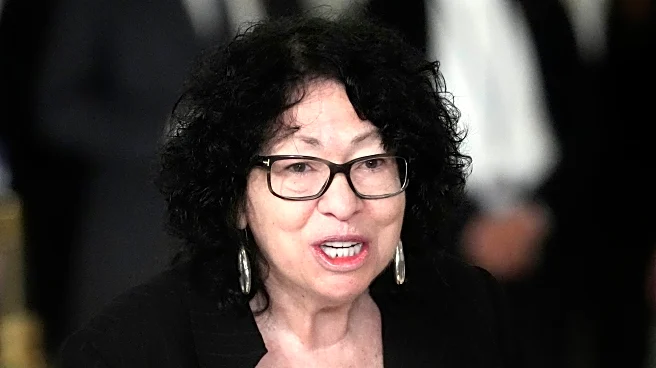
transgender advocates. The case was brought by Kaley Chiles, a licensed therapist in Colorado, who argued that the 2019 law infringed on her ability to counsel clients about gender identity issues without resorting to medical interventions. The court's 8-1 decision, supported by Justices Elena Kagan and Sonia Sotomayor, emphasized that the law was not viewpoint-neutral and violated the First Amendment. This ruling could have implications beyond Colorado, as over 20 states have similar laws.
Why It's Important?
The Supreme Court's decision is significant as it underscores the tension between free speech rights and LGBTQ+ protections. By ruling that the Colorado law violated free speech, the court has set a precedent that could challenge similar laws across the United States. This decision may embolden those who oppose restrictions on conversion therapy, potentially leading to more legal challenges in states with similar bans. For LGBTQ+ advocates, this ruling represents a setback in efforts to protect minors from practices deemed harmful by many medical and psychological organizations. The decision highlights the ongoing debate over the balance between individual rights and public health protections.
What's Next?
Following this ruling, states with similar conversion therapy bans may face legal challenges, potentially leading to a reevaluation of these laws. Advocacy groups on both sides of the issue are likely to mobilize, with LGBTQ+ organizations possibly seeking legislative or judicial avenues to counteract the ruling. The decision may also influence future Supreme Court cases related to LGBTQ+ rights and free speech, as it reflects the court's current stance on these issues. Additionally, the ruling could impact political discourse, with lawmakers and candidates addressing the implications of the decision in upcoming elections.