



What's Happening?
Italian Prime Minister Giorgia Meloni has expressed concerns over Iran's proposal to impose fees on vessels passing through the Strait of Hormuz, a critical global shipping route. This move could potentially disrupt global trade and energy flows. Meloni's
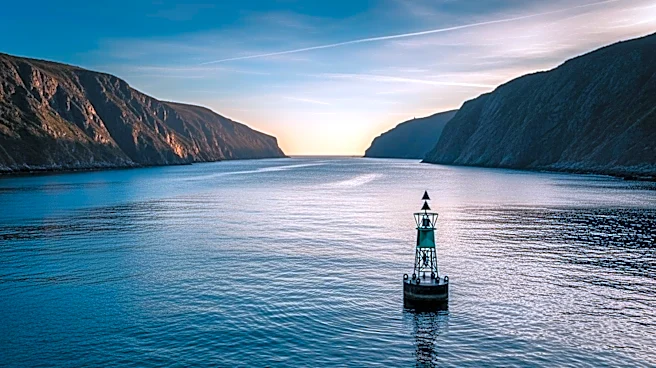
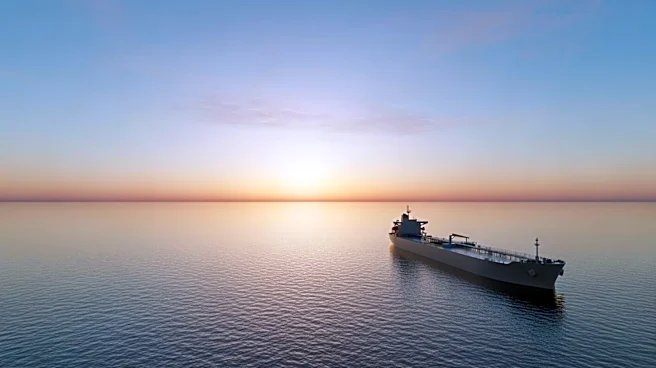
comments come as Italy joins a UK-led coalition of over 30 countries aiming to ensure secure navigation through the strait. The Strait of Hormuz is a vital corridor for global oil and gas supplies, with about 20% of these resources passing through daily. Disruptions in this area can significantly impact global markets, leading to increased energy prices and strained supply chains. Italian Deputy Prime Minister Matteo Salvini has stated that Italy will not deploy naval vessels to patrol the area without United Nations authorization.
Why It's Important?
The Strait of Hormuz is one of the world's most crucial energy corridors, and any disruption could have far-reaching consequences for global trade and energy markets. Iran's proposal to charge a toll could set a precedent that might encourage other nations to impose similar fees, potentially leading to increased shipping costs and further economic strain. The involvement of a coalition of countries highlights the international community's concern over maintaining free navigation in this strategic waterway. The situation underscores the delicate balance of power and the potential for geopolitical tensions to impact global economic stability.
What's Next?
The international coalition, including Italy, will likely continue diplomatic efforts to dissuade Iran from implementing the toll. The United Nations may become involved to mediate and ensure that international maritime laws are upheld. Countries dependent on the Strait of Hormuz for energy supplies will be closely monitoring the situation, and any escalation could prompt further international intervention. The outcome of these diplomatic efforts will be crucial in determining the future stability of this key shipping route.