







What's Happening?
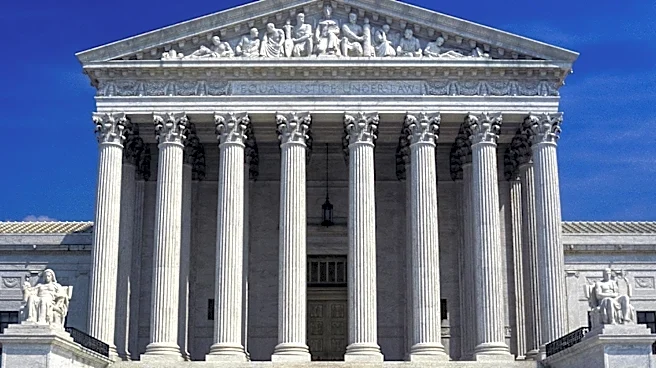
In Kansas, a significant political maneuver is underway as Republicans propose a ballot measure to change the selection process for state Supreme Court justices. This measure aims to replace the current nonpartisan merit-based system with direct partisan elections.
Proponents argue that this change would democratize the judiciary by allowing voters to elect justices directly. However, critics contend that the move is primarily aimed at undermining abortion rights, which the Kansas Supreme Court upheld in a 2019 decision. The proposal has sparked a heated debate, with implications for judicial independence and the future of abortion rights in Kansas.
Why It's Important?
The proposed judicial reform in Kansas is part of a broader national trend where state legislatures seek to exert more control over the judiciary. If successful, this measure could pave the way for similar efforts in other states, potentially leading to a more politicized judiciary. The outcome of this initiative is particularly significant for abortion rights, as it could lead to the election of justices who are more likely to overturn existing protections. This development highlights the ongoing battle over abortion rights in the U.S., with state-level actions becoming increasingly pivotal in shaping the legal landscape.
What's Next?
The results of the Kansas ballot measure will be closely watched as an indicator of public sentiment on judicial reform and abortion rights. If the measure passes, it will initiate a shift towards partisan judicial elections, with the first elections scheduled for 2028. This change could lead to increased political influence in judicial appointments, affecting the court's decisions on critical issues. Advocacy groups and political leaders on both sides of the debate are expected to intensify their efforts to influence public opinion and the outcome of future elections.