




What's Happening?
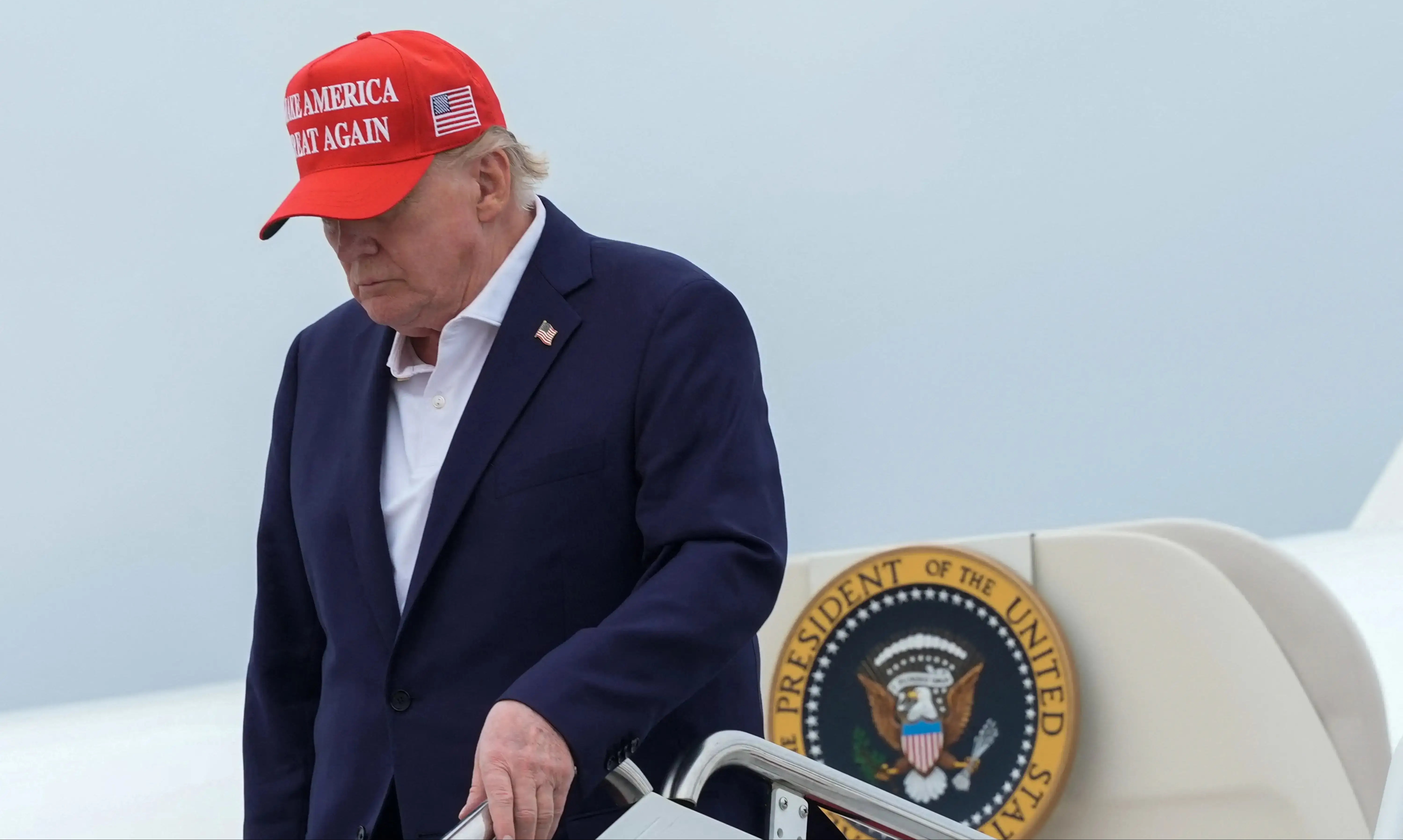
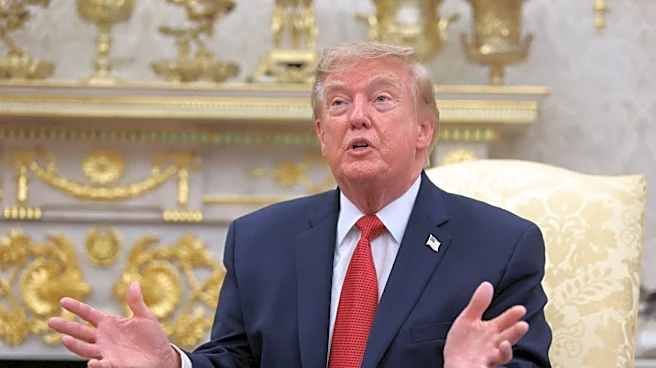
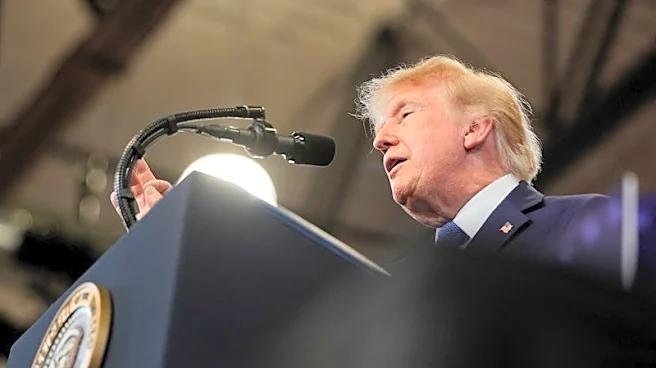
President Trump stated on August 17 that he is not seeking to extend the framework agreement reached with Iran in June, which aimed to end the war. When asked by reporters if he wished to extend the agreement, mediated by Pakistan, President Trump unequivocally
responded, 'No.' According to Turkish media, this statement comes as the 60-day negotiation period, stipulated by the June agreement for a broader deal, is nearing its end without a comprehensive agreement being reached. President Trump indicated that while Iran is willing to negotiate, they are not prepared to accept the terms he deems necessary. He reiterated his firm stance that Iran must not possess nuclear weapons, stating, 'They want to make a deal, but they won't accept the kind of deal I think is necessary.'
Why It's Important?
President Trump's rejection of extending the Iran framework agreement has significant implications for U.S. foreign policy and regional stability in the Middle East. This decision signals a continued hardline approach towards Iran, potentially escalating tensions and increasing the risk of conflict. For the U.S., it underscores a commitment to preventing Iran from developing nuclear weapons, a long-standing national security objective. However, it also raises questions about the effectiveness of diplomatic efforts and the potential for alternative strategies. The lack of a comprehensive agreement could lead to renewed sanctions, economic pressure, and increased military posturing, impacting global oil markets and international relations. Allies and adversaries alike will be closely watching the U.S.'s next moves, as this stance could reshape the geopolitical landscape and influence future negotiations with other nations.
What's Next?
With President Trump's clear rejection of extending the current framework, the U.S. is expected to continue its policy of maximum pressure on Iran. This could involve tightening existing sanctions or imposing new ones, further isolating Iran economically. Diplomatic efforts, if any, would likely shift towards negotiating a new, more stringent agreement that aligns with President Trump's demands, particularly regarding nuclear weapons. Iran's reaction will be crucial; they may choose to escalate their nuclear program, seek support from other global powers, or eventually return to the negotiating table under different conditions. The international community, including European allies, will likely face pressure to align with the U.S. stance or pursue independent diplomatic avenues to de-escalate tensions. The situation in the Strait of Hormuz, which President Trump claims the U.S. has 'complete control' over through a blockade, will also remain a critical point of contention and potential flashpoint.
Beyond the Headlines
President Trump's assertion of 'complete control' over the Strait of Hormuz through a blockade, and his suggestion of declaring it U.S. territory, carries profound legal and geopolitical implications. Such a declaration would challenge international maritime law and could be seen as an act of aggression, potentially provoking a strong response from Iran and other nations. The Strait is a vital global chokepoint for oil shipments, and any disruption could have severe economic consequences worldwide. This rhetoric highlights a broader U.S. strategy of unilateral action and a willingness to redefine international norms to achieve national security objectives. The long-term impact could be a more fragmented international order, where traditional alliances are strained, and the risk of miscalculation in critical regions increases. The debate over Iran's nuclear ambitions and regional influence will continue to be a central challenge for U.S. foreign policy, with significant ethical and strategic considerations.