




What's Happening?
A new forecast from the University of Tokyo, the National Institute for Environmental Studies, and the Japan International Research Center for Agricultural Sciences predicts severe heatwaves in Tokyo by 2050 if greenhouse gas emissions continue at their
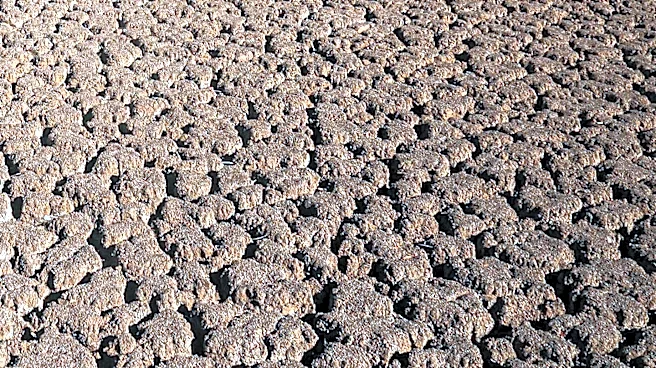
current rate. These heatwaves could reach 43 degrees Celsius, leading to significant disruptions in daily life. The report, dubbed 'version 2' of a 2050 weather forecast, details a potential scenario for August 8, 2050. Such extreme temperatures are projected to trigger midday 'stay-at-home orders' in cities like Isesaki, Gunma Prefecture, and cause widespread school closures and a halt to outdoor work on farms and construction sites. The crisis is also expected to impact food security, with global highs and drought causing raw material shortages, driving up prices for livestock feed and cooking oil. This would devastate the raising of dairy cows and pigs, potentially making traditional Japanese dishes like katsudon rare and expensive.
Why It's Important?
This forecast highlights the severe and tangible consequences of unchecked greenhouse gas emissions, demonstrating how climate change can directly impact daily life, public health, and economic stability. The projected 'stay-at-home orders' and disruptions to outdoor work underscore a future where extreme weather events become a regular impediment to productivity and social functioning. The anticipated food shortages and soaring prices for essential goods like livestock feed and cooking oil could lead to significant economic strain and food insecurity, particularly affecting lower-income households. The potential transformation of common dishes into rare luxuries illustrates a profound shift in societal norms and access to basic necessities. This scenario serves as a stark warning about the urgent need for decarbonization efforts to mitigate these predicted impacts, which could have ripple effects on global supply chains and international relations as countries grapple with similar challenges.
What's Next?
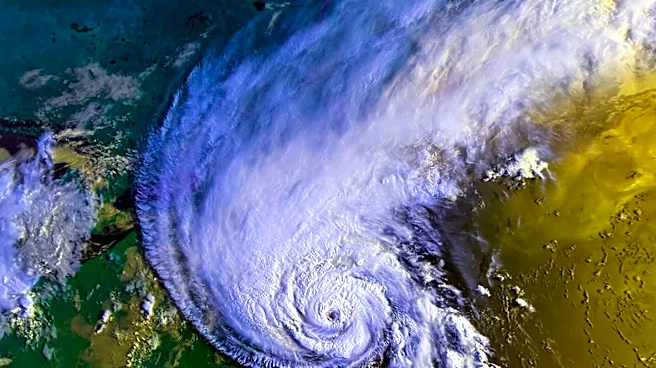
The updated forecast, supervised by scientific experts including a contributor to the U.N.’s Intergovernmental Panel on Climate Change (IPCC) reports, aims to accelerate decarbonization efforts. Professor Seita Emori, a climatologist at the University of Tokyo, expressed hope that the report would serve as a catalyst for stopping climate change. The report also warns of acute, catastrophic events beyond persistent heat, such as a powerful super typhoon with 360 kph wind gusts making landfall and unleashing a tsunami-like storm surge of over 5 meters in Osaka Bay. This revised forecast, produced by the Japan Climate Leaders’ Partnership (JCLP), reflects the accelerating pace of global warming, noting that a prior prediction of 50 or more consecutive midsummer days in central Tokyo by 2050 was already surpassed in 2023 with 64 such days.
Beyond the Headlines
The implications of this forecast extend beyond immediate environmental and economic concerns, touching upon deeper societal and ethical dimensions. The prospect of 'stay-at-home orders' due to extreme heat raises questions about urban planning, infrastructure resilience, and the equitable distribution of resources for cooling and protection. The potential scarcity of traditional foods like katsudon could lead to a loss of cultural heritage and identity tied to culinary practices. Furthermore, the report's emphasis on the accelerating pace of global warming suggests that previous climate models may have underestimated the speed and severity of climate change, necessitating a re-evaluation of current mitigation and adaptation strategies. This situation could also exacerbate social inequalities, as vulnerable populations may lack the resources to cope with extreme heat and food price hikes, leading to increased social unrest and migration pressures.