






What's Happening?
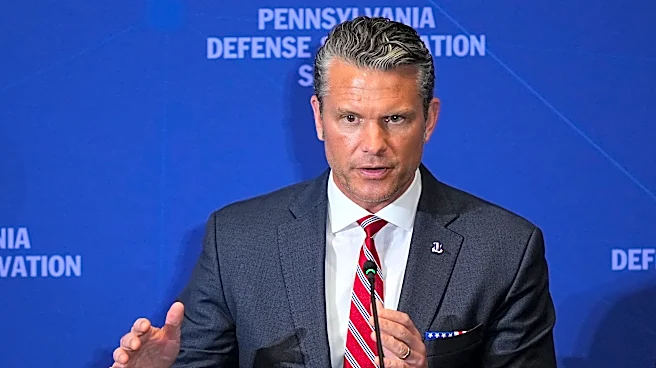
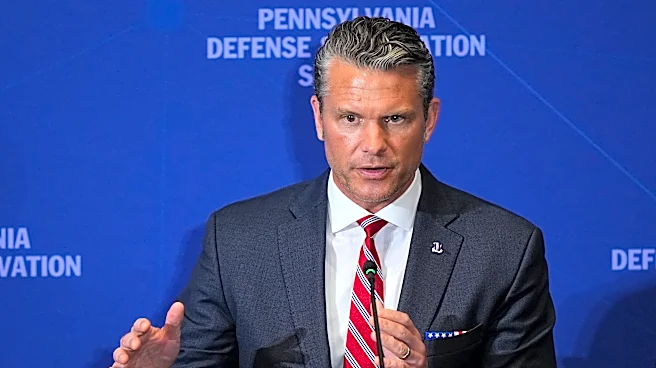
Defense Secretary Pete Hegseth has introduced new policies affecting grooming standards and hormone testing within the U.S. Navy. The Navy has limited medical shaving waivers, which allow sailors with certain skin conditions to maintain facial hair, to a maximum
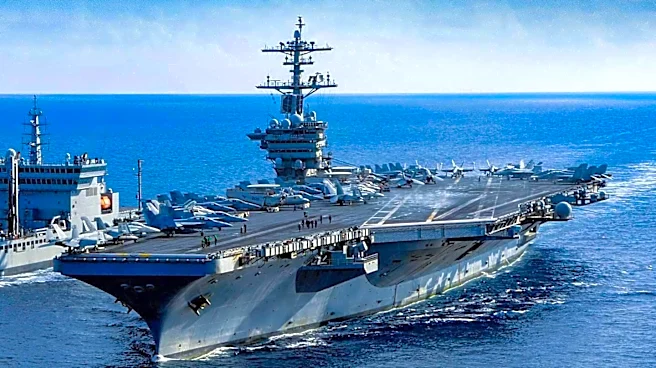
of 12 months. This decision follows Hegseth's focus on grooming standards during a visit to a Navy ship. Additionally, Hegseth announced that all service members aged 30 and older will undergo annual screenings for low testosterone, with hormone therapy offered to those deemed deficient. These policies reflect Hegseth's vision of military standards, emphasizing a traditional image of the American warrior.
Why It's Important?
The new policies have significant implications for military personnel, particularly those affected by pseudofolliculitis barbae, a condition prevalent among Black men. The grooming policy could disproportionately impact Black service members, potentially leading to administrative separation if their condition persists. The hormone testing policy raises questions about its necessity and the criteria for women. These changes may influence the military's composition, potentially discouraging diverse recruits and affecting retention. The focus on traditional masculinity and grooming standards may not align with the military's operational needs, potentially impacting its effectiveness and inclusivity.
What's Next?
The Navy's new grooming policy will be enforced, with potential administrative separations starting in July 2027. The hormone testing policy will begin, with screenings for service members over 30. These policies may face legal challenges, particularly regarding their impact on Black service members and the rationale behind the hormone testing. The military's leadership will need to address concerns about inclusivity and the alignment of these policies with operational effectiveness. The broader implications for military recruitment and retention will become clearer as these policies are implemented.
Beyond the Headlines
The policies highlight a broader cultural and ideological shift within the military, emphasizing traditional masculinity and aesthetics over operational capabilities. This shift may affect the military's ability to attract and retain a diverse and capable force. The focus on grooming and hormone levels may not address the real challenges facing the military, such as strategic and operational readiness. The policies could lead to a narrower, less inclusive military, potentially impacting its effectiveness in addressing complex global challenges.