



What's Happening?
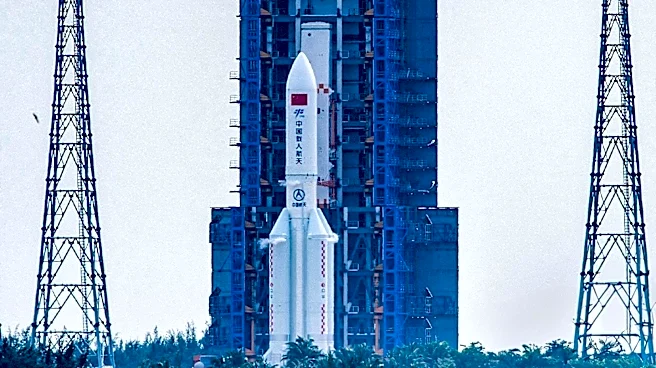
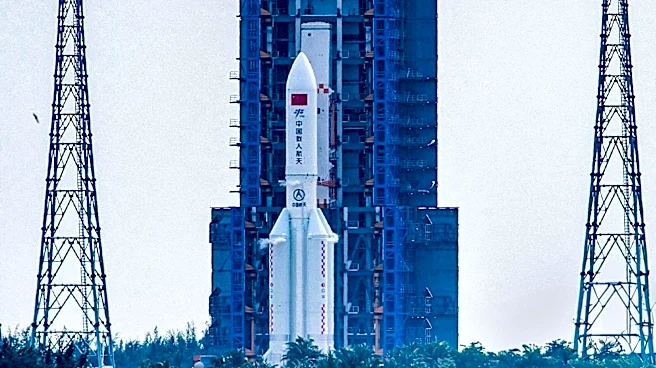
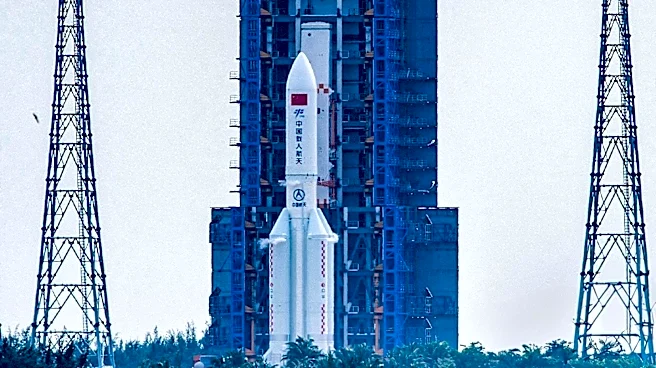
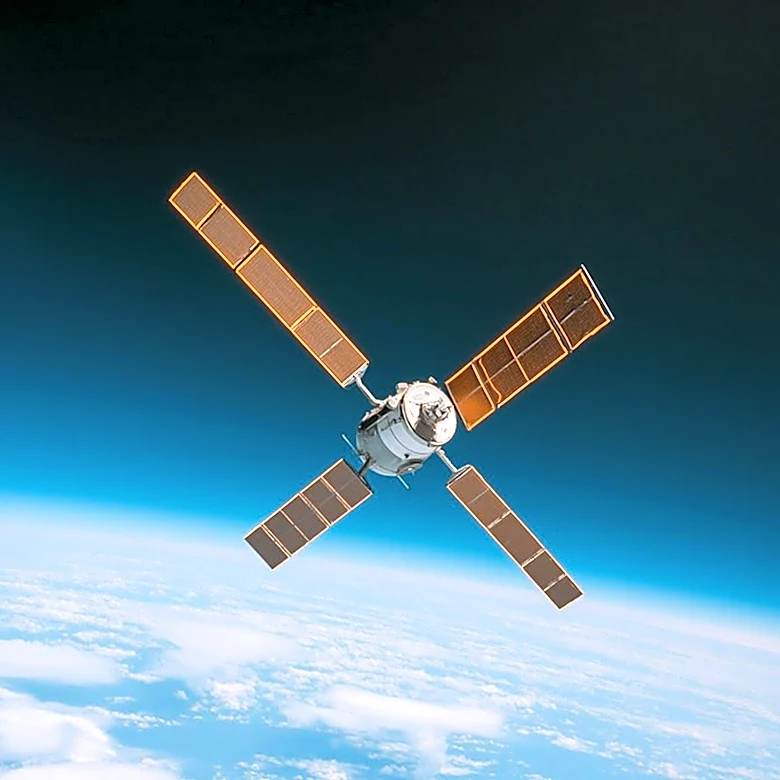
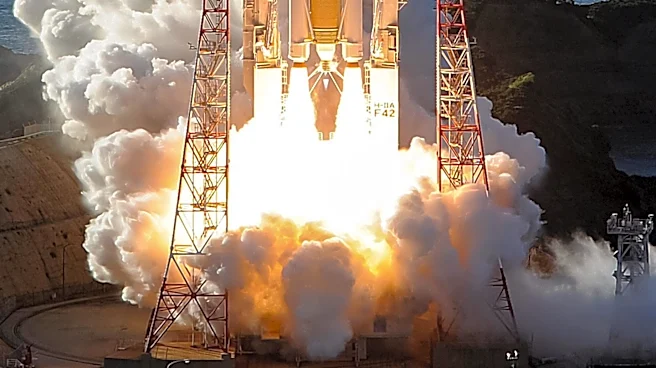
A Chinese Long March-3B rocket was struck by lightning shortly after its launch from the Xichang Satellite Launch Center. Despite the dramatic event, the rocket successfully completed its mission to deliver a communications relay satellite to geostationary
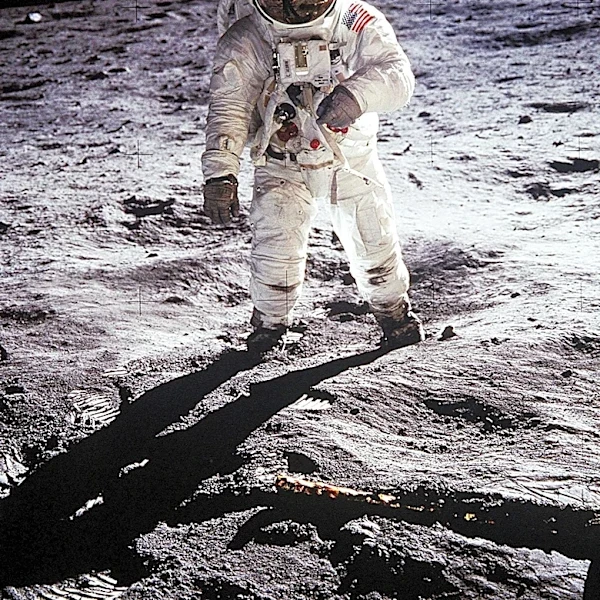
orbit. The incident was captured in awe-inspiring footage, showing the lightning bolt striking the rocket mid-air. The China Aerospace Science and Technology Corporation confirmed that the rocket survived the strike and deployed the satellite as planned. This event draws parallels to past incidents, such as NASA's Apollo 12 mission, which also experienced lightning strikes during launch.
Why It's Important?
The successful completion of the mission despite the lightning strike highlights the resilience and reliability of China's space technology. This incident underscores the importance of robust engineering and safety protocols in space missions. It also serves as a reminder of the unpredictable nature of space launches and the need for stringent weather-related safety measures. For the global space industry, this event may prompt discussions on improving launch safety standards and adapting to environmental challenges.
Beyond the Headlines
The lightning strike on the Chinese rocket could lead to increased scrutiny of launch safety protocols and weather monitoring systems. It may also influence future designs of spacecraft to better withstand such environmental hazards. Additionally, this event could impact international perceptions of China's space capabilities, showcasing their technological advancements and resilience. The incident serves as a testament to the challenges faced by space agencies worldwide in ensuring the success and safety of their missions.