




What's Happening?
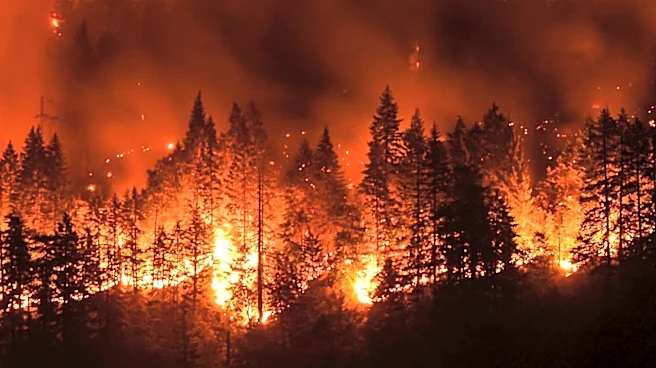
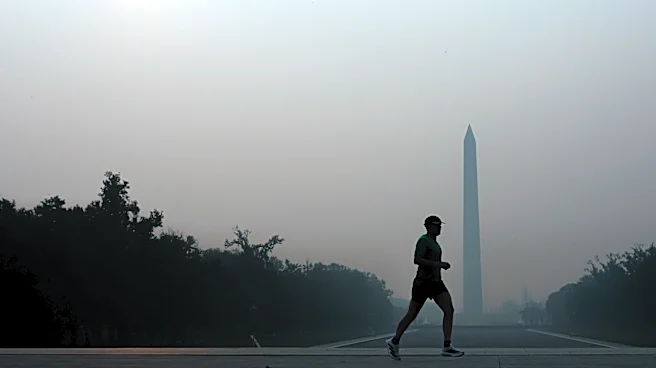
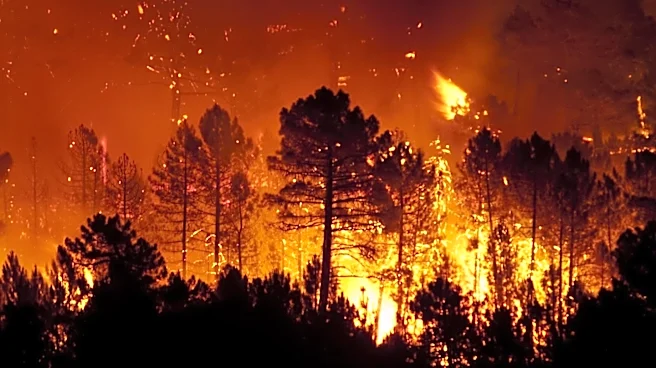
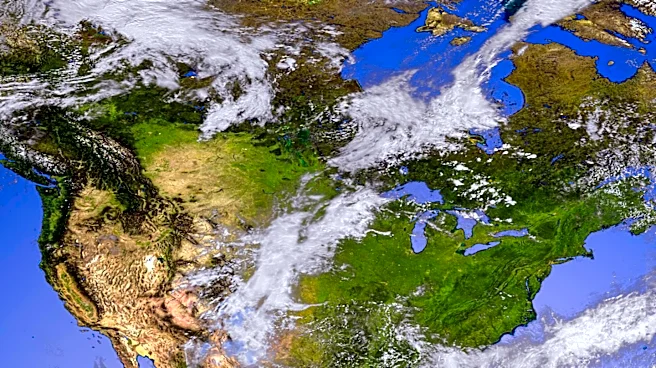
Communities across the United States, from Arizona to New York, are experiencing poor air quality due to smoke from wildfires. The smoke, which can travel hundreds of miles, poses significant health risks, particularly to individuals with respiratory
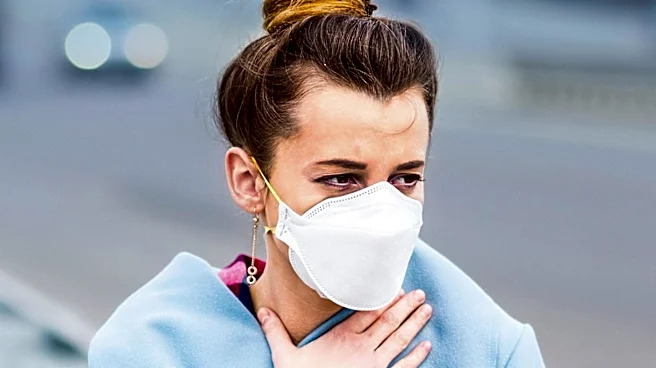
issues, heart disease, the elderly, and pregnant people. Experts Dan Westervelt from Columbia University and Richard Peltier from UMass Amherst emphasize the dangers of wood smoke, which contains toxic chemicals and carcinogens. They recommend several measures to protect against smoke exposure, including keeping windows and doors closed, using air purifiers with high-efficiency particulate filters, and avoiding the use of gas-powered appliances and vacuums. Additionally, they advise limiting outdoor activities and wearing masks when outside.
Why It's Important?
The widespread impact of wildfire smoke highlights the need for effective public health strategies to mitigate air quality issues. Poor air quality can exacerbate respiratory and cardiovascular conditions, leading to increased hospitalizations and mortality rates. The advice from experts is crucial for vulnerable populations who are at higher risk of adverse health effects. The situation underscores the importance of preparedness and the need for individuals to have access to reliable air quality information and protective measures. This event also raises awareness about the broader implications of climate change and the increasing frequency and intensity of wildfires.
What's Next?
As wildfires continue to burn, affected communities will need to remain vigilant and adapt to changing air quality conditions. Authorities may issue further air quality warnings and advisories, urging residents to take protective actions. The ongoing situation may prompt discussions on improving infrastructure and resources for air quality monitoring and public health responses. Additionally, there may be increased advocacy for policies addressing climate change and its impact on wildfire frequency and severity.
Beyond the Headlines
The current air quality crisis due to wildfire smoke may lead to long-term changes in public health policies and urban planning. There could be a push for more robust building codes that enhance indoor air quality and the development of community resources for air quality management. The event also highlights the need for greater public awareness and education on the health risks associated with air pollution and the importance of individual and collective actions to mitigate these risks.