
What's Happening?
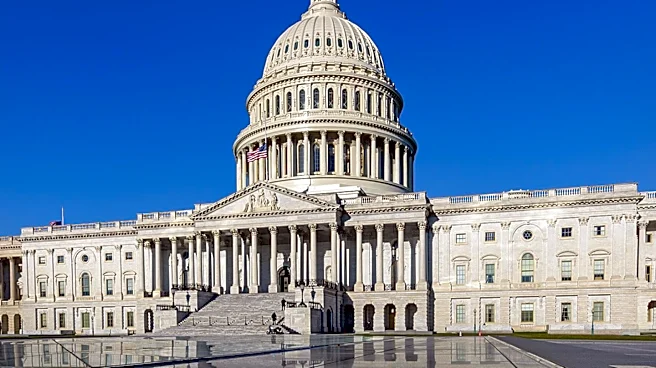
U.S. Senator Michael Bennet of Colorado is being urged to vote against the CLARITY Act, a cryptocurrency bill currently advancing through the U.S. Senate. Critics, including State Senator Katie Wallace,
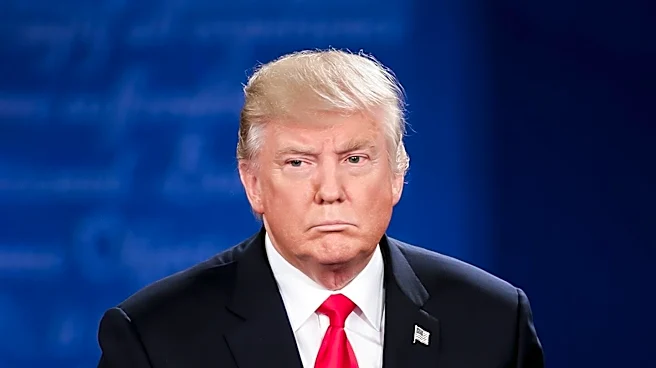
argue that this Republican-backed bill is a priority for President Trump and his administration, and is designed to benefit President Trump's private business ventures. The bill is described as an 'executive branch cash-grab disguised as market regulation' that could turn Congress into a 'rubber stamp' for President Trump's financial interests. Concerns have been raised about President Trump's reported $1.4 billion in crypto income in a single year, including $635 million from a self-branded meme coin. Additionally, the Trump family's crypto firm, World Liberty Financial, reportedly received conditional approval for a national trust bank charter from executive branch banking regulators, which critics view as a blatant abuse of executive authority. The CLARITY Act is seen as paving the way for further corruption, with loopholes that exempt adult children of politicians from profiting, and enforcement potentially falling to Attorney General Todd Blanche, President Trump's former criminal defense lawyer.
Why It's Important?
The debate surrounding the CLARITY Act and Senator Bennet's vote highlights significant concerns about potential conflicts of interest and the integrity of the U.S. financial system. If the bill passes, it could set a precedent for legislation that appears to prioritize the financial gains of political figures over public interest and regulatory oversight. The allegations of President Trump using his office to expand his family's crypto empire raise questions about ethical governance and the separation of public duty from private profit. The potential for a 'toothless' bill, enforced by an Attorney General with close ties to President Trump, could undermine public trust in federal banking laws and regulatory bodies. This situation could also impact Colorado consumers, who critics argue would be exposed to volatile scams if the bill facilitates unchecked cryptocurrency operations. The outcome of this vote could influence future legislative efforts to regulate emerging financial technologies and shape the public's perception of political accountability.
What's Next?
Senator Bennet, along with Senator John Hickenlooper, faces pressure to vote 'No' on the CLARITY Act to defend the financial system and protect Colorado consumers. The bill's progression through the U.S. Senate will likely involve further debate and scrutiny, particularly regarding its potential implications for ethical governance and financial regulation. Stakeholders, including civil society groups and consumer advocates, are expected to continue lobbying against the bill, emphasizing its perceived flaws and potential for corruption. The vote on the CLARITY Act will be a key moment for Democratic Senators to demonstrate their commitment to opposing what critics describe as President Trump's 'corrupt administration' and its alleged attempts to leverage political power for personal financial gain. The enforcement mechanisms and the independence of regulatory bodies, particularly the Attorney General's office, will remain under close watch if the bill were to pass.
Beyond the Headlines
The controversy surrounding the CLARITY Act extends beyond immediate legislative concerns, touching upon deeper ethical and legal dimensions of political power and financial influence. The accusations of President Trump's administration using its authority to benefit private business ventures raise fundamental questions about the boundaries between public service and personal enrichment. This situation could contribute to a broader erosion of public trust in government institutions and the legislative process, particularly if citizens perceive that laws are being crafted to serve individual interests rather than the collective good. The debate also highlights the challenges of regulating rapidly evolving technologies like cryptocurrency, especially when political figures are directly involved in the industry. The outcome could influence future discussions on campaign finance reform, ethics in government, and the need for more robust safeguards against conflicts of interest at the highest levels of power. It underscores the ongoing tension between economic innovation and the imperative for transparent and accountable governance.