
What's Happening?
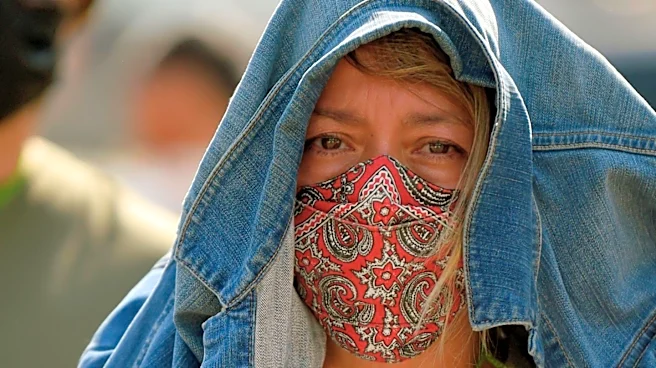
Sarafina Bukirwa, a sickle cell disease survivor, has spoken out about her harrowing experience during a nine-day detention by U.S. Immigration and Customs Enforcement (ICE). Bukirwa was arrested on July
22 at Louisville Muhammad Ali International Airport while en route to a sickle cell conference in California. During her detention, she was transported to the Grayson County Detention Center, where she claims she did not receive necessary medical treatment for her condition. Bukirwa, who has been an advocate for sickle cell patients and has established clinics in Uganda, reported experiencing a sickle cell crisis while in custody. She alleges that ICE officials left her and other detainees in a hot vehicle without air conditioning or water, exacerbating her health issues. Despite her pleas for medical assistance, she received inadequate care, seeing a nurse only twice and not receiving her required medication dosage.
Why It's Important?
This incident highlights significant concerns regarding the treatment of detainees with medical conditions in ICE custody. Bukirwa's experience underscores the potential risks faced by individuals with chronic illnesses when detained without proper medical oversight. The situation raises questions about ICE's protocols for handling detainees with special health needs and the adequacy of medical care provided in detention facilities. The broader implications include potential legal and human rights challenges, as well as increased scrutiny from advocacy groups and lawmakers. The involvement of Congressman Morgan McGarvey, who was contacted by a family friend to assist in Bukirwa's release, indicates potential political ramifications and the need for policy reviews to ensure detainee safety and rights.
What's Next?
Following her release, Bukirwa is working to process her experience and its impact on her health and well-being. Congressman McGarvey's continued communication with Bukirwa and her family suggests ongoing political interest in her case. This incident may prompt further investigations into ICE's detention practices and medical care standards. Advocacy groups and legal entities might push for reforms to protect vulnerable detainees, potentially leading to policy changes or new legislation aimed at improving conditions in detention centers. The case could also inspire other detainees with similar experiences to come forward, increasing pressure on ICE and related authorities.