




What's Happening?
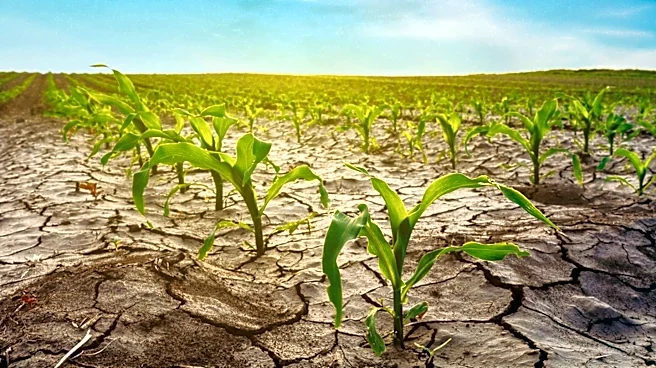
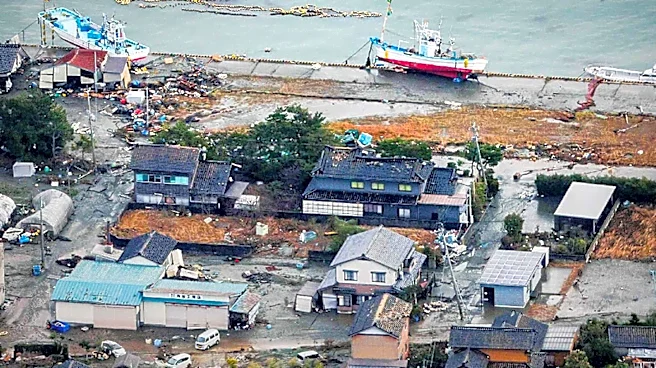
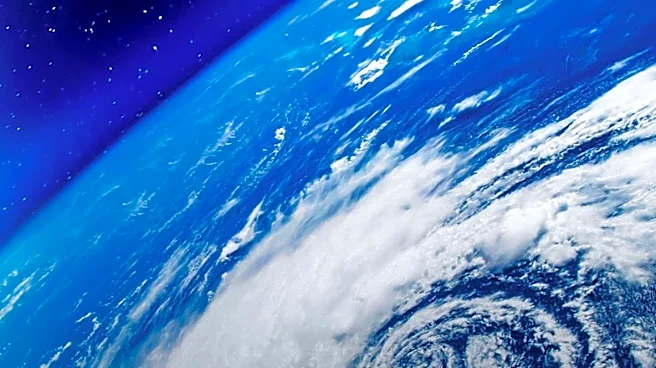
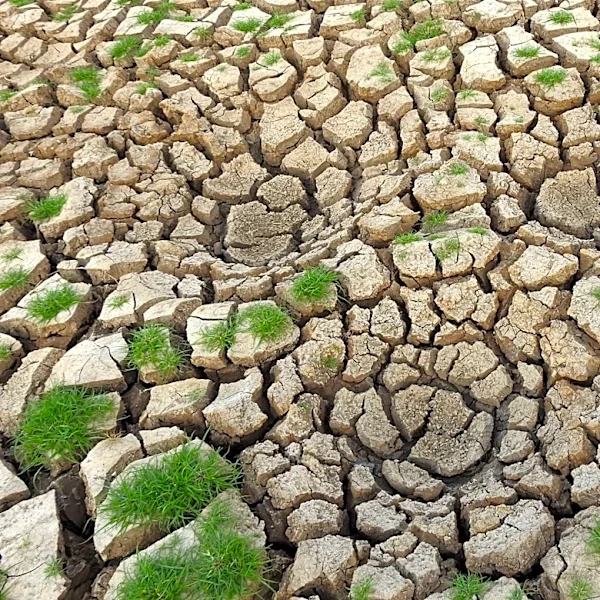
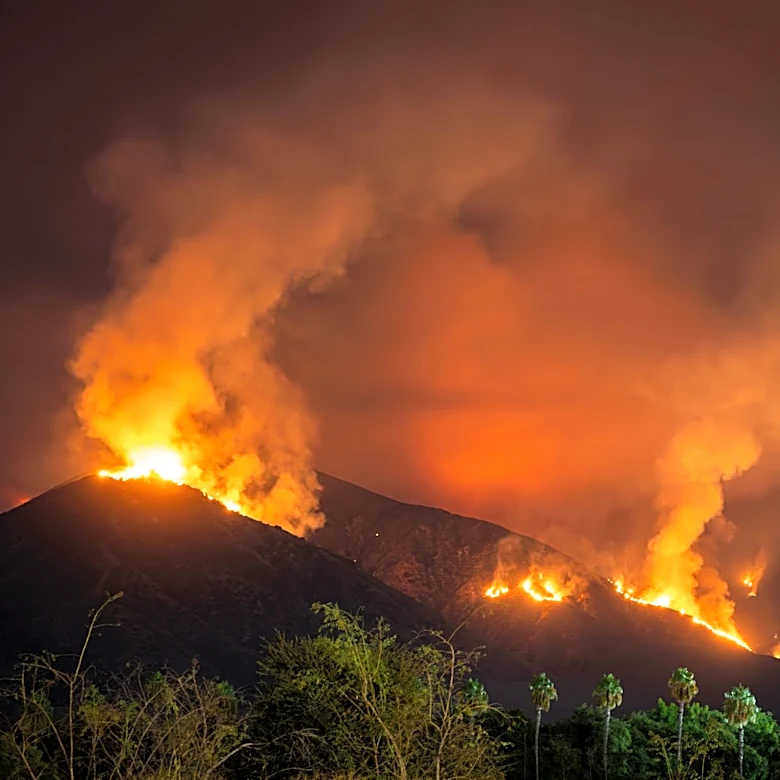
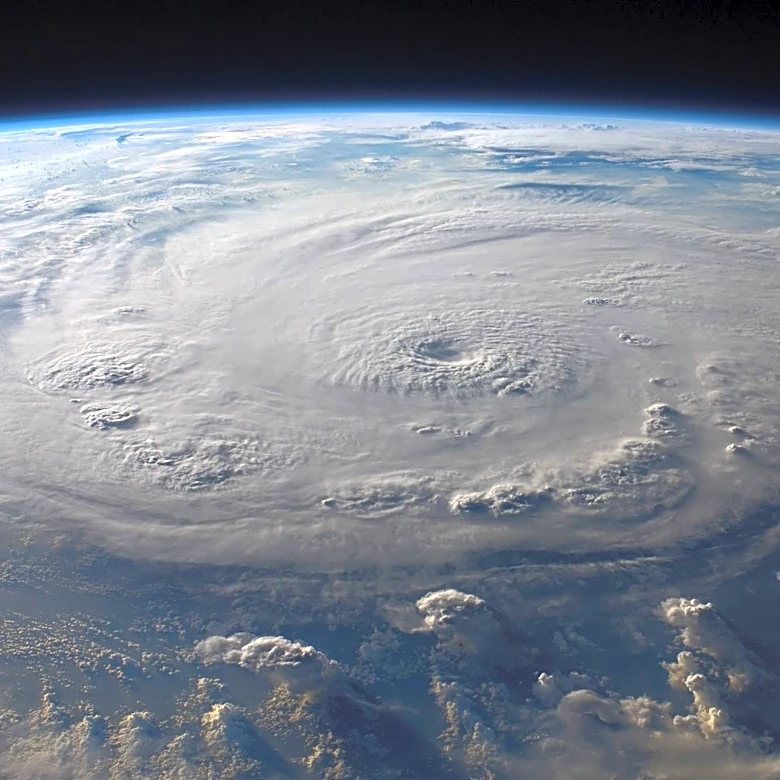
The World Meteorological Organization (WMO) has issued a warning about rapidly intensifying El Niño conditions in the Pacific Ocean, which are expected to bring extreme weather, including heatwaves, floods, and droughts, to various regions worldwide.
The UN under-secretary-general for humanitarian affairs, Tom Fletcher, highlighted the potential devastation across Latin America, Eastern and Southern Africa, Asia, and the Pacific. The current El Niño event is predicted to be among the strongest since 1950, with significant impacts on food security and human safety. Governments are urged to prepare for the impending crisis, as vulnerable regions face the 'double whammy' of global warming and El Niño.
Why It's Important?
The intensifying El Niño conditions pose a significant threat to global food security and human safety, particularly in regions already facing existing crises. The phenomenon is expected to exacerbate extreme weather events, leading to increased risks of heatwaves, floods, and droughts. Vulnerable regions, such as Kenya, Uganda, Somalia, Bangladesh, Pakistan, and Afghanistan, are likely to be severely impacted. The WMO's warning underscores the need for governments to take proactive measures to mitigate the effects of El Niño and protect vulnerable communities from its devastating impacts.
What's Next?
Governments are advised to strengthen early warning systems and engage with at-risk communities to enhance resilience against the impending El Niño event. The UN Office for the Coordination of Humanitarian Affairs is prepared to disburse emergency funding to support anticipatory action in affected regions. Countries like Brazil are already taking steps to prepare for El Niño-linked disasters by coordinating actions across federal, state, and municipal governments. The focus will be on proactive disaster preparedness and climate adaptation to minimize the impacts of the phenomenon.