




What's Happening?
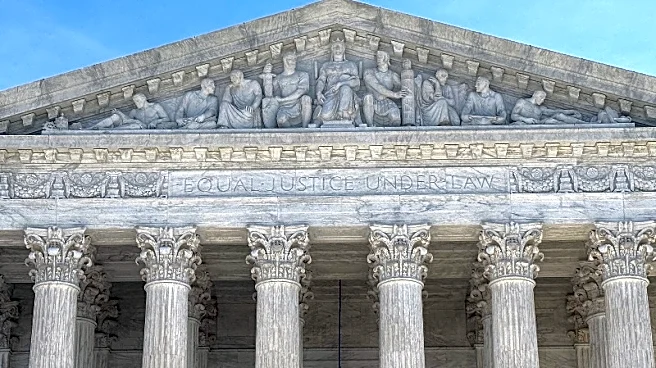
The U.S. Supreme Court has declined to hear an appeal in a wrongful death lawsuit against former New York Governor Andrew Cuomo. The lawsuit, led by Daniel Arbeeny, alleged that Cuomo's directive during the COVID-19 pandemic, which required nursing homes
to accept COVID-19 positive patients, resulted in the death of his father and others. The directive was intended to prevent hospitals from being overwhelmed. However, it led to significant controversy and accusations of underreporting nursing home deaths. The lower courts had dismissed the case, citing Cuomo's qualified immunity, which protects government officials from liability unless they violate clear legal principles.
Why It's Important?
This decision is significant as it concludes one of the most high-profile civil litigations against Cuomo related to his handling of the COVID-19 pandemic. The case highlights the challenges of holding public officials accountable for policy decisions made during emergencies. The ruling underscores the legal protections afforded to government officials, which can limit recourse for families seeking justice for perceived policy failures. The controversy surrounding the nursing home directive and the alleged underreporting of deaths has had lasting impacts on public trust in government transparency and accountability.
What's Next?
With the Supreme Court's decision, Daniel Arbeeny and other families involved in the lawsuit have exhausted their legal options. The focus may now shift to legislative or policy changes aimed at improving transparency and accountability in government decision-making during public health crises. The case may also influence future discussions on the scope of qualified immunity and its implications for public accountability. Cuomo's political career, already affected by this and other controversies, may continue to face scrutiny as he seeks to rebuild his public image.