




What's Happening?
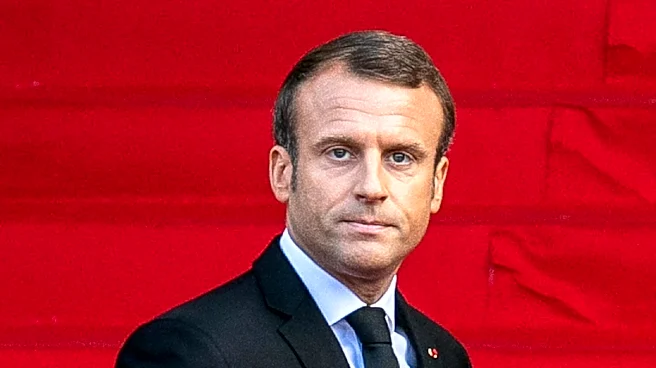
French President Emmanuel Macron has expressed solidarity with Ukraine following a Russian drone strike on a railway station in Dnipro, which resulted in at least 14 deaths and numerous injuries. In a post on X, Macron conveyed his deep emotion regarding
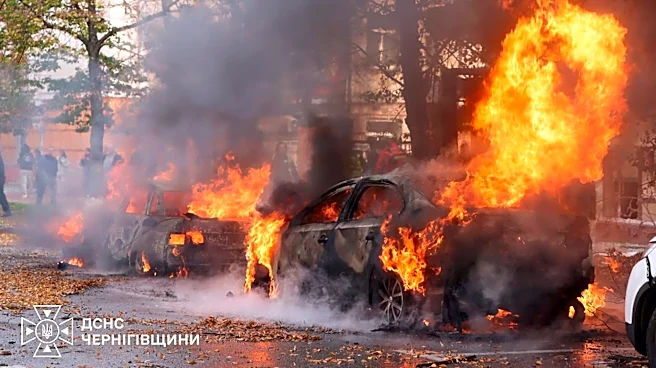
the attack and extended condolences to Ukrainian President Volodymyr Zelenskyy and the Ukrainian people. Macron emphasized that international efforts must extend beyond limited ceasefire arrangements and called for Moscow to engage in negotiations. He stated that it is intolerable for Russia to continue opposing proposals for peace and to target civilians, urging a redoubling of efforts for a just and lasting peace to bring Russia to the negotiating table. This statement comes as Ukrainian President Zelenskyy reported additional strikes on civilian infrastructure in Chernihiv and Kremenchuk, leading to more fatalities and injuries.
Why It's Important?
President Macron's call for renewed diplomatic efforts underscores the ongoing international concern over the conflict in Ukraine and the targeting of civilians. His emphasis on bringing Russia to the negotiating table highlights a persistent challenge in achieving a resolution to the war. For the U.S. and its allies, Macron's stance reinforces the need for a unified front in condemning Russian aggression and supporting Ukraine. The continued attacks on civilian infrastructure, as noted by President Zelenskyy, complicate humanitarian efforts and peace initiatives, potentially prolonging the conflict and increasing the human cost. The French President's remarks also reflect a broader European sentiment that current measures, such as limited ceasefires, are insufficient to de-escalate the situation, pushing for more comprehensive diplomatic engagement.
What's Next?
Following President Macron's call, the immediate next steps will likely involve continued diplomatic pressure on Russia from international bodies and allied nations. Ukrainian President Zelenskyy has already urged the European Union, the United States, and the Group of Seven (G7) to implement stronger sanctions against Russia's military apparatus and to avoid easing existing restrictions. The international community will be watching for any signs of Russia's willingness to engage in meaningful negotiations, as well as for further actions from Ukraine's allies to support its defense and humanitarian needs. The ongoing strikes on civilian targets will likely intensify calls for accountability and potentially lead to further isolation of Russia on the global stage.
Beyond the Headlines
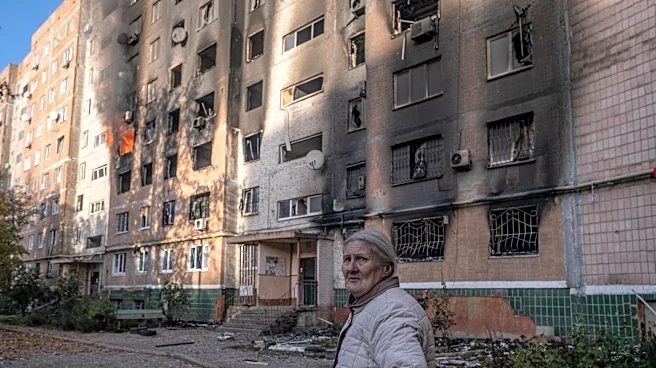
The repeated targeting of civilian infrastructure, as seen in the Dnipro attack, raises profound ethical and legal questions regarding international humanitarian law and war crimes. The call for renewed diplomatic efforts by President Macron, while crucial, also highlights the deep-seated geopolitical complexities and the difficulty of achieving peace when one party is perceived as unwilling to negotiate in good faith. The situation could further solidify the divide between Russia and Western nations, impacting long-term international relations and security frameworks. The humanitarian crisis resulting from these attacks also poses significant challenges for aid organizations and neighboring countries, potentially leading to increased displacement and suffering. The emphasis on a 'just and lasting peace' suggests a recognition that any resolution must address the root causes of the conflict and ensure the long-term security and sovereignty of Ukraine.